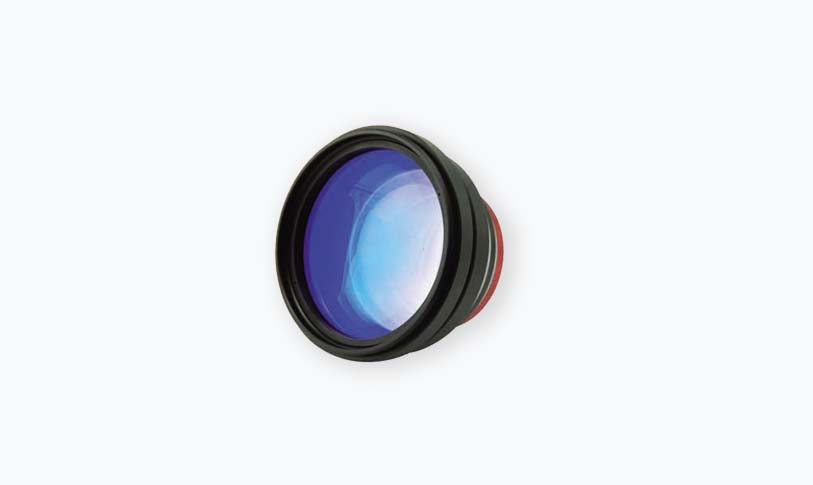
[fiber laser marking machine]Understanding the Advancements
News 2024-10-5
****In the world of manufacturing and product branding, precision and durability are critical. As industries march toward more innovative solutions, fiber laser marking machines have emerged as a forefront technology. These machines utilize high-intensity laser beams to create permanent markings on various materials, making them indispensable in multiple sectors. This article delves into the advancements in fiber laser marking technology, the wide range of applications it supports, and why businesses are increasingly adopting this technology.
What is a Fiber Laser Marking Machine?
A fiber laser marking machine employs a specialized fiber laser source to produce lasers for marking surfaces. The process is designed to offer high precision, minimal material degradation, and longevity of markings. The fiber laser creates a concentrated beam that can be focused on many materials, including metals, plastics, ceramics, and glass.
The technology behind fiber laser systems involves the generation of a laser beam through optical fibers doped with rare earth elements. This method is efficient and allows for high-quality markings, which is crucial for applications requiring meticulous detail.
Key Advancements in Fiber Laser Marking Technology
1. **Increased Speed and Efficiency**: Modern fiber laser marking machines are faster than their predecessors, significantly improving production rates. Manufacturers can now achieve high throughput without compromising marking quality, making them ideal for high-volume production lines.
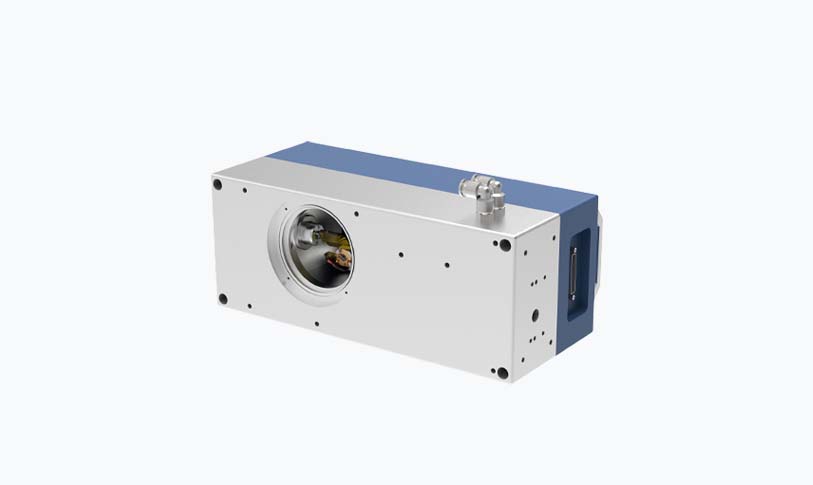
Understanding the Advancements and Applications of Fiber Laser Marking Machines in Modern Manufacturing Processes
3. **Improved Design and Compact Size**: Recent developments focus on creating more compact and lightweight designs. This reduces space requirements and improves integration into existing manufacturing setups without significant alterations.
4. **Low Operating Costs**: Fiber laser marking systems are energy efficient and require less maintenance compared to other laser technologies like CO2 lasers. This translates to lower operating costs over time, encouraging businesses to make long-term investments.
Applications of Fiber Laser Marking Machines
Fiber laser marking technology has found its way into various industries, each benefiting from its unique capabilities. Here are some key applications:
1. **Electronics and Circuit Boards**: Manufacturers use fiber lasers to mark serial numbers, logos, and compliance codes on circuit boards, ensuring clear and precise markings that withstand harsh environments and chemical exposure.
2. **Automotive Industry**: From chassis parts to components, fiber laser marking is extensively utilized for identification purposes. It helps in traceability and complies with stringent industry standards, ensuring safety and quality.
3. **Medical Devices**: In the medical field, precision is paramount. Fiber laser marking on surgical instruments and medical devices provides permanent identification, important for patient safety, ensures regulatory compliance, and aids in traceability.
Understanding the Advancements and Applications of Fiber Laser Marking Machines in Modern Manufacturing Processes
5. **Packaging**: Many companies utilize fiber laser systems to mark expiration dates, batch numbers, and other vital information directly onto packaging materials, enhancing product traceability and brand visibility.
Why Choose Fiber Laser Marking Machines?
Adopting fiber laser marking machines presents significant advantages for businesses:
- **Durability of Markings**: Markings made by fiber lasers are permanent, resistant to wear, and can endure harsh environmental conditions. This durability is crucial for products that experience extensive use or processing. - **Environmental Considerations**: Fiber laser marking is a clean process that minimizes waste and requires no hazardous materials or chemicals, aligning corporations with sustainability goals.
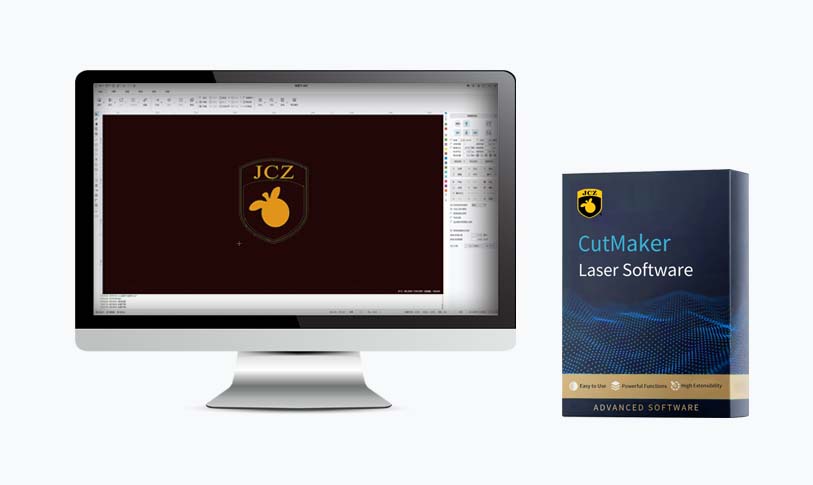
- **User-Friendly Operation**: Most modern fiber laser systems come with intuitive software, making them easy to operate even for personnel with limited technical expertise.