[laser marking fiber]The Advantages and Applications of Lase
News 2024-10-4
****In recent years, industries have witnessed significant advancements in marking and engraving technologies. Among these, laser marking fiber has emerged as one of the most innovative and effective methods for permanent marking on various materials. This article delves into the advantages and applications of laser marking fiber technology, highlighting its impact on modern manufacturing processes and its growing relevance across different sectors.

The Advantages and Applications of Laser Marking Fiber Technology in Modern Manufacturing Processes
Laser marking fiber utilizes a fiber laser, which generates a high-intensity beam of light that can be directed onto a material's surface to create distinct and precise markings. Unlike traditional laser technologies, fiber lasers offer numerous benefits, including higher efficiency, improved energy consumption, and superior marking quality.
The working principle of laser marking fiber involves the absorption of laser energy by the material, leading to either thermal or chemical reactions that produce markings. The technology is highly versatile, capable of producing various effects, including engraving, cutting, and coding, on a wide range of substrates, including metals, plastics, glass, and wood.
Key Advantages of Laser Marking Fiber
1. **Precision and Accuracy**: One of the most significant advantages of laser marking fiber is its ability to create highly detailed and intricate designs. The precision offered by fiber lasers ensures that even the smallest texts and graphics can be accurately marked without any risk of distortion.
2. **Speed and Efficiency**: Laser marking fiber systems tend to operate quickly, which translates into higher productivity rates for manufacturers. The ability to mark items in rapid succession without compromising on quality means that businesses can streamline their operations and reduce turnaround times significantly.
3. **Durability**: Markings produced by laser fiber technology are inherently durable and resistant to wear, chemicals, and environmental factors. This longevity is particularly important for parts subjected to harsh conditions, where traditional printing methods would typically fail.
4. **No Consumables Needed**: Unlike other marking methods that rely on inks or solvents, laser marking fiber systems do not require consumables. This reduces operational costs and the need for maintenance associated with regular replacements of marking supplies.
5. **Non-Contact Process**: The non-contact nature of laser marking fiber minimizes the risk of contaminating the surface being marked. This characteristic is particularly advantageous in sectors like the pharmaceutical and food industries, where cleanliness is paramount.
6. **Customization**: Laser marking fiber allows for easy customization, enabling manufacturers to create bespoke markings that can include logos, serial numbers, and barcodes. This flexibility is crucial for businesses aiming to enhance their product identification and branding strategies.
Applications of Laser Marking Fiber Technology
The versatility of laser marking fiber technology means it finds applications across various industries:
1. **Electronics**: In electronics manufacturing, fiber lasers are used to mark components with serial numbers and barcodes, facilitating traceability and inventory management. The precision of laser marking ensures that intricate printed circuits are not damaged during the process.
2. **Automotive**: The automotive industry employs laser marking for identification purposes, including VIN (Vehicle Identification Number) marking and component traceability. The durability of the markings ensures that they remain intact throughout the vehicle's lifespan.
3. **Medical Devices**: Given the stringent regulations, the medical industry leverages laser marking fiber for reliable and permanent markings on surgical instruments and implants, enhancing safety and compliance.
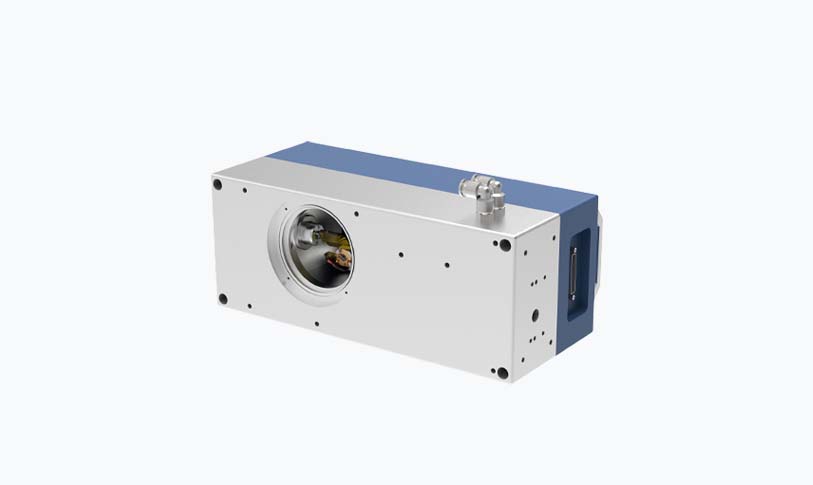
The Advantages and Applications of Laser Marking Fiber Technology in Modern Manufacturing Processes
5. **Packaging and Labeling**: Laser marking is increasingly used in packaging to create high-quality, permanent labels that enhance the presentation of products and improve shelf life by preventing tampering.

The Advantages and Applications of Laser Marking Fiber Technology in Modern Manufacturing Processes
Conclusion
As manufacturing processes become increasingly sophisticated, laser marking fiber technology stands out for its reliability and performance. With its myriad advantages and diverse applications, it is poised to become an essential tool across industries. Businesses that leverage this technology gain not only in terms of efficiency and quality but also maintain a competitive edge in their respective markets. The future of manufacturing looks bright with laser marking fiber leading the way towards innovation and excellence.