[20w fiber laser]Exploring the Revolution of 20W Fiber Laser
News 2024-10-3
In recent years, laser technology has made significant strides, revolutionizing various industries by enhancing precision, efficiency, and speed in manufacturing processes. Among the various types of lasers available today, the 20W fiber laser stands out as an exceptional tool that combines power and versatility for a wide range of applications. This article delves into the workings of 20W fiber lasers, their advantages, practical applications, and future trends shaping their use in industrial manufacturing.
Understanding 20W Fiber Lasers
Fiber lasers utilize a different type of medium to generate laser light compared to traditional gas or solid-state lasers. In the case of fiber lasers, optical fibers doped with rare earth elements, such as ytterbium or neodymium, serve as the gain medium. The light generated within this fiber is amplified through stimulated emission, resulting in a highly concentrated and efficient beam.

Exploring the Revolution of 20W Fiber Laser Technology: Applications, Advantages, and Future Trends in Industrial Manufacturing
Advantages of 20W Fiber Lasers
1. **High Efficiency**: One of the primary advantages of 20W fiber lasers is their energy efficiency. These lasers convert a high percentage of electrical energy into laser light, resulting in lower operational costs and reduced energy consumption compared to other laser types.
2. **Precision and Quality**: The high-quality beam produced by fiber lasers allows for intricate and precise cutting and engraving. This enables manufacturers to achieve superior edge quality and minimal thermal distortion on sensitive materials.
3. **Versatility**: The adaptability of 20W fiber lasers makes them suitable for various applications, from simple marking to complex industrial manufacturing processes. They can operate on different materials, including metals, acrylics, wood, and ceramics, making them an excellent investment for diverse industries.
4. **Low Maintenance**: Fiber lasers are known for their reliability and low maintenance requirements. They have fewer moving parts and do not require frequent lamp replacements, which minimizes downtime and operational disruptions.
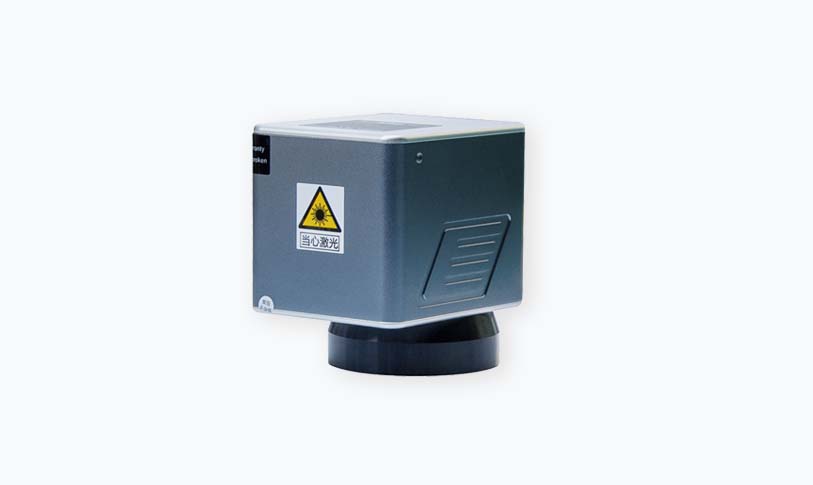
Exploring the Revolution of 20W Fiber Laser Technology: Applications, Advantages, and Future Trends in Industrial Manufacturing
Applications of 20W Fiber Lasers
The versatility of 20W fiber lasers translates to numerous applications across various sectors:
1. **Metal Marking and Engraving**: 20W fiber lasers are widely used in the automotive, aerospace, and electronics industries for precise marking and engraving on metal components. This includes serial numbers, logos, and barcodes, which improve traceability and authenticity.
2. **Cutting Materials**: From thin sheets of stainless steel to more intricate materials like plastics and acrylics, fiber lasers can cut through a variety of substrates with ease, resulting in clean and accurate cuts suitable for manufacturing and prototyping.
3. **Welding Operations**: Fiber lasers are increasingly used in welding applications due to their ability to create narrow, deep welds with minimal heat-affected zones. This is particularly advantageous in industries like medical device manufacturing where high precision and integrity are critical.
4. **Jewelry Making**: The jewelry industry has embraced 20W fiber lasers for engraving intricate designs on precious metals and creating detailed patterns, enhancing product appeal and customization.
5. **Textile and Fabric Processing**: Fiber lasers are also finding their way into textile manufacturing, where they cut and engrave intricate designs on fabrics without fraying edges—a significant advantage over traditional cutting methods.
Future Trends in 20W Fiber Laser Technology
The future of 20W fiber lasers looks promising as technology continues to advance. Several trends are anticipated to shape their evolution:
1. **Integration with Industry 4.0**: The rise of smart manufacturing and automation will likely see fiber lasers integrated with IoT technology for real-time monitoring and predictive maintenance, enhancing productivity and reducing downtime.
2. **Continuous Improvement in Beam Quality**: Ongoing research and development are expected to lead to even higher quality beams and increased power options, making 20W fiber lasers applicable to more demanding industrial tasks.
3. **Expansion of Applications**: As industries discover new uses for fiber lasers, their applications will likely expand further into areas like bioprinting in healthcare or advanced aerospace manufacturing, where precision is paramount.
4. **Sustainability Efforts**: The energy efficiency of fiber lasers positions them favorably in the context of sustainability. As industries seek to reduce their carbon footprint, the adoption of energy-efficient laser technologies will likely increase.
