[q switched laser]Exploring the Revolutionary Advancements o
News 2024-10-2
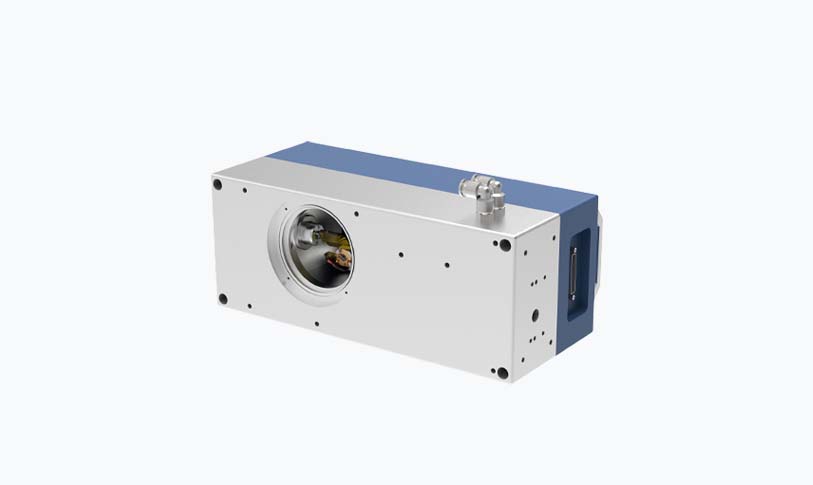
Exploring the Revolutionary Advancements of Q Switched Lasers in Aesthetic Medicine and Industrial Applications
The world of laser technology has advanced significantly over the past few decades, bringing forth innovations that have transformed various industries. Among these advancements, Q switched lasers have become a cornerstone in both medical aesthetics and industrial applications. This article aims to explore the intriguing features, mechanisms, and myriad applications of Q switched lasers and their impact on modern technology.

Exploring the Revolutionary Advancements of Q Switched Lasers in Aesthetic Medicine and Industrial Applications
At the core of Q switched laser technology is its unique ability to produce short, high-intensity pulses of light. The term "Q switching" refers to the technique used to modulate the power of the laser output. Traditional lasers emit a continuous beam, while Q switched lasers store energy in a gain medium and release it in powerful bursts. This enables them to produce pulses that last only nanoseconds, making them incredibly effective for various applications.

Exploring the Revolutionary Advancements of Q Switched Lasers in Aesthetic Medicine and Industrial Applications
Applications in Aesthetic Medicine
In the realm of aesthetic medicine, Q switched lasers have paved the way for effective skin rejuvenation treatments. One of the most prominent uses is for tattoo removal. The concentrated energy delivered in short pulses effectively disrupts the ink particles in the skin, allowing the body’s immune system to gradually eliminate them. This method is far less painful and has fewer side effects compared to traditional tattoo removal techniques.
Additionally, Q switched lasers are employed for treating pigmented lesions, such as freckles, age spots, and melasma. The laser’s precise targeting of melanin minimizes damage to the surrounding skin, allowing for improved healing and reduced recovery time.
Another application lies in acne scar treatment and skin resurfacing. The ability of Q switched lasers to stimulate collagen production and promote skin regeneration makes them an excellent choice for individuals looking to improve skin texture and tone. This has led to their popularity among dermatologists and cosmetic surgeons, making these lasers essential tools in contemporary aesthetic practices.
Industrial Applications
Beyond aesthetic medicine, Q switched lasers have made significant inroads into industrial applications. The manufacturing sector has highly benefited from their precise cutting and engraving capabilities. For instance, Q switched lasers can be employed to cut complex shapes in materials such as metals, plastics, and glass with a high degree of accuracy. This capability is crucial in industries ranging from automotive to electronics.
Moreover, Q switched lasers are utilized in marking and engraving applications, where manufacturers require permanent identification marks on products. The ability to create high-contrast markings without affecting the material’s integrity makes this technology invaluable in production lines. This function is particularly vital for industries governed by strict regulatory standards, where traceability is essential.
Another significant application is in the field of micro-machining. Q switched lasers provide the precision needed for tasks like drilling tiny holes in a variety of materials. This technique has profound implications in the electronics industry, where microprocessors are produced, requiring extreme precision and control.
The Future of Q Switched Laser Technology
As the demand for advanced technology continues to grow, the potential for Q switched lasers seems limitless. Researchers are exploring additional applications in areas such as laser lithotripsy for kidney stone treatments and even in the realms of dentistry and ophthalmology. The versatility and efficiency of Q switched lasers suggest that they will continue to be at the forefront of technological advancement for years to come.
In conclusion, Q switched laser technology stands as a shining example of how innovation can intersect with practical application, profoundly impacting fields including medical aesthetics and manufacturing. With ongoing research and development, we can expect this technology to evolve further, offering more safe and effective solutions across multiple industries. Whether in rejuvenating skin or enhancing manufacturing processes, the significance of Q switched lasers will only continue to rise, forging a new path in the evolving landscape of technology.