[laser and optical fiber]Exploring the Synergistic Relations
News 2024-10-2

Exploring the Synergistic Relationship Between Laser Technology and Optical Fiber: Innovations, Applications, and Future Trends
At its core, a laser, or Light Amplification by Stimulated Emission of Radiation, is a device that emits light through a process of optical amplification based on the stimulated emission of photons. This coherent light source is usually monochromatic, having a single wavelength, which allows lasers to deliver focused energy over long distances with minimal dispersion. The unique properties of lasers, such as high intensity, precision, and the ability to concentrate energy, have made them invaluable in numerous fields, including medicine, manufacturing, and communications.
On the other hand, optical fibers are thin strands of glass or plastic that transmit light signals at high speeds over considerable distances. They are characterized by their ability to guide light through total internal reflection, allowing signals to be transmitted with minimal loss of intensity. This technology has revolutionized telecommunications, making high-speed internet and efficient data transfer possible.
The integration of laser technology with optical fiber has spawned a wealth of innovations across diverse sectors. In telecommunications, laser light is used to encode information onto a light wave, allowing vast amounts of data to be transmitted rapidly through optical fibers. The development of fiber-optic communication systems has led to faster internet speeds and improved bandwidth, paving the way for the ubiquitous connectivity we experience today. Technologies such as fiber-optic sensors, utilizing lasers, are also being developed to detect changes in temperature, pressure, and strain, making them invaluable in various industries, including aerospace and civil engineering.
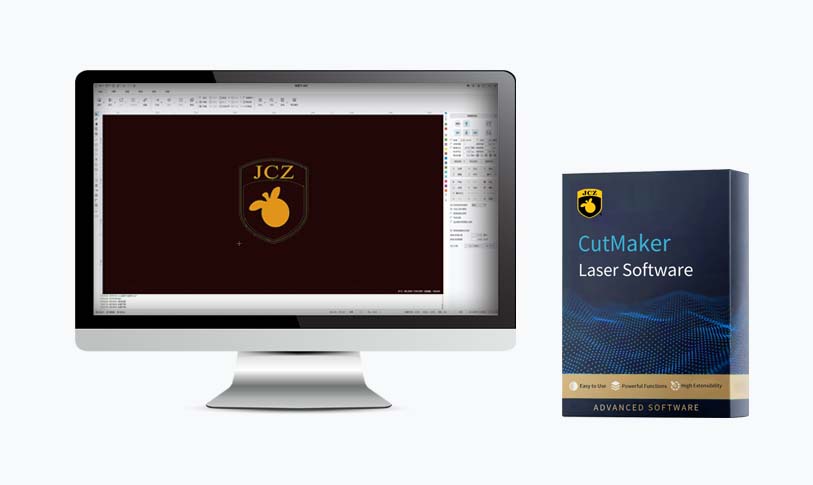
Exploring the Synergistic Relationship Between Laser Technology and Optical Fiber: Innovations, Applications, and Future Trends
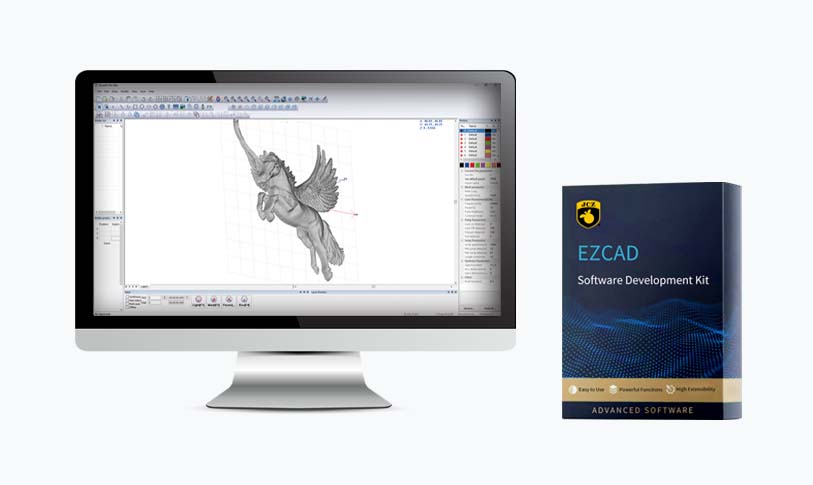
Exploring the Synergistic Relationship Between Laser Technology and Optical Fiber: Innovations, Applications, and Future Trends
Industrial applications of laser and optical fiber technology are vast and varied. Lasers are widely used in manufacturing processes, including cutting, welding, and engraving materials with unparalleled accuracy. Coupled with fiber optics, laser systems can be remotely operated, providing versatility and safety in hazardous environments. Industries such as automotive, aerospace, and electronics heavily rely on these technologies to enhance production efficiency and reduce operational costs.
Despite the rapid advancements and widespread adoption of lasers and optical fibers, ongoing research is focused on pushing the boundaries of what is possible. Innovations such as photonic crystal fibers are being explored, which can manipulate light in unprecedented ways, potentially leading to faster data transmission and improved sensor applications. Furthermore, advancements in quantum computing and communication rely heavily on the continued development of both lasers and optical fibers, indicating a future where these technologies will be truly intertwined in groundbreaking ways.
The potential for augmented reality (AR) and virtual reality (VR) applications is also under investigation, as the demand for high-speed, high-quality data transmission grows. The ability to seamlessly deliver rich, immersive experiences relies significantly on the integration of laser technology and optical fiber networks. As these fields evolve, the creative possibilities will only expand, leading to richer digital landscapes and enhanced user experiences.
In conclusion, the combination of laser technology and optical fiber has forged an exciting frontier of innovation across multiple domains, from telecommunications to healthcare and beyond. As these technologies continue to evolve, they will undoubtedly unlock new capabilities that will change our lives in remarkable ways. Looking ahead, the synergistic relationship between lasers and optical fibers holds the promise of an even more connected, efficient, and technologically advanced future.