[handheld fiber laser]Exploring the Advantages and Applicati
News 2024-10-2
****In recent years, the adoption of handheld fiber lasers has revolutionized various manufacturing and fabrication processes across a multitude of industries. These innovative tools are not only enhancing efficiency but also providing unprecedented precision and versatility in operations. Understanding how handheld fiber lasers work, their advantages, and their wide-ranging applications can provide valuable insights into their growing popularity and significance in modern production environments.
How Handheld Fiber Lasers Work
A handheld fiber laser is a type of laser that generates high-intensity light via optical fibers, which are bundled together to direct the laser beam. The light produced is extremely focused and can achieve remarkable beam quality, which is crucial for applications involving cutting, welding, and marking materials. Unlike traditional lasers, handheld fiber lasers are compact and portable, allowing operators to maneuver them easily in various settings.
The operation of a handheld fiber laser involves a process called photonic crystal fiber technology. This method uses a unique arrangement of micro-structured fibers to guide and amplify the laser light. When the laser beam focuses on a surface, it generates enough heat to melt or vaporize the material, enabling precise cuts or welds. Operators can control the laser intensity and focus, providing flexibility to meet specific project requirements.
Advantages of Handheld Fiber Lasers
The shift toward handheld fiber lasers has been driven by a variety of compelling advantages:
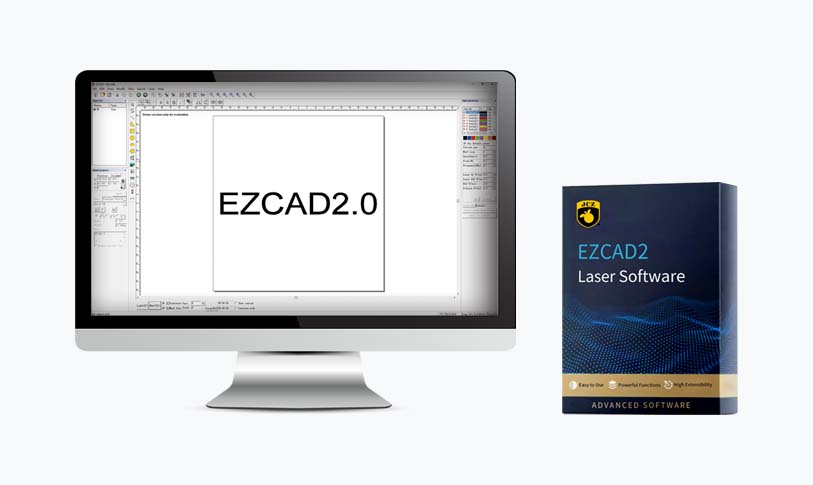
Exploring the Advantages and Applications of Handheld Fiber Lasers in Modern Manufacturing and Fabrication Processes
2. **Precision and Quality**: Handheld fiber lasers deliver high precision, allowing for intricate designs and sharp cuts. Their focused beams minimize thermal distortion, resulting in clean edges and meticulous detailing. This is particularly important in industries where quality and aesthetic appeal are paramount.

Exploring the Advantages and Applications of Handheld Fiber Lasers in Modern Manufacturing and Fabrication Processes
4. **Reduced Operational Costs**: While initial investment costs may be high, the operational efficiency of handheld fiber lasers can lead to significant savings over time. They consume less energy than traditional cutting methods and require less maintenance due to fewer moving parts.
5. **User-Friendly Operation**: Modern handheld fiber lasers often come equipped with intuitive interfaces and capabilities that allow even novice operators to use them effectively. Features such as automated settings and guided operation reduce the learning curve associated with traditional laser machinery.
Applications of Handheld Fiber Lasers
The applications for handheld fiber lasers are extensive and span various industries, such as:
1. **Metal Fabrication**: In metalworking, handheld fiber lasers are used for cutting sheets, tubes, and other components. Their ability to handle different thicknesses and types of metal makes them a popular choice among machinists and fabricators.
2. **Automotive Industry**: The automotive sector relies on handheld fiber lasers for various processes, including cutting body panels, welding components, and even engravings in intricate designs.
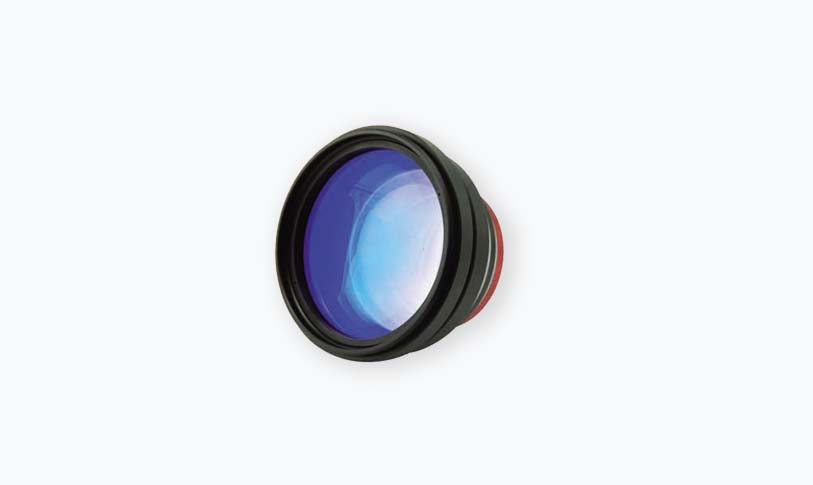
Exploring the Advantages and Applications of Handheld Fiber Lasers in Modern Manufacturing and Fabrication Processes
4. **Sign Making**: The signage industry benefits from the precision and versatility of handheld fiber lasers, allowing companies to create detailed engravings and custom designs for marketing purposes.
5. **Jewelry Making**: Artisans in the jewelry industry use handheld fiber lasers to engrave intricate designs, quickly cut through different materials, and even assemble delicate pieces with precision.
Conclusion
The utilization of handheld fiber lasers is reshaping how businesses approach manufacturing and fabrication tasks. Their combination of portability, precision, and flexibility makes them a game-changer in various industries, streamlining processes and improving product quality. As technology advances and the demand for efficient manufacturing grows, the role of handheld fiber lasers is likely to expand, setting the stage for even more innovative uses in the future. Investing in these tools represents a commitment to quality and efficiency, positioning businesses to thrive in an ever-competitive environment.