[laser cutting machine controller]Laser Cutting Machine Controller: An Introduction to Operation and Advanced Functionality
News 2025-4-16
Laser cutting is an integral part of many manufacturing processes, as it allows for precision cutting with minimal human intervention. A laser cutting machine controller is the heart of this operation, facilitating precise cutting motions, regulating machine processes, and ensuring efficient operation. This article delves into the fundamentals of laser cutting machine controllers, as well as their advanced functionality.
What is a Laser Cutting Machine Controller?

Laser Cutting Machine Controller: An Introduction to Operation and Advanced Functionality
Basic Operation of a Laser Cutting Machine Controller
Before using a laser cutting machine controller, it is essential to familiarize oneself with its basic operation. This involves booting up the system, loading the necessary software, setting up the workspace, and initiating the cutting process. Controllers typically have intuitive interfaces that guide operators through these steps.
Advanced Functionality of Laser Cutting Machine Controllers
Modern laser cutting machine controllers offer advanced functionality that improves cutting accuracy and efficiency. Some of these advanced features include:
1. Automatic Tool Change: Advanced controllers can automatically detect when a tool needs to be changed and initiate the changeover process, minimizing downtime.
2. Adaptive Cutting Speed: Controllers with built-in intelligence can adjust cutting speed based on material type, thickness, and other factors, ensuring optimal cutting performance.
3. Automated Material Handling: Some controllers can handle material loading and unloading automatically, further reducing human intervention.
4. Integrated Quality Control: Advanced controllers have built-in quality control features that monitor cutting quality in real-time and adjust machine settings accordingly to maintain high-quality output.
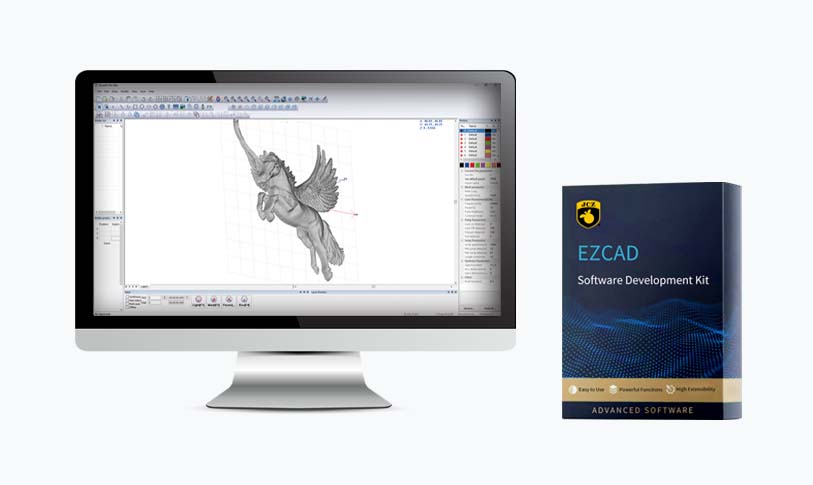
Laser Cutting Machine Controller: An Introduction to Operation and Advanced Functionality
6. Multi-Axis Motion Control: Controllers with multi-axis motion control capabilities can handle complex cutting tasks that require precise motion coordination between multiple machine axes.

Laser Cutting Machine Controller: An Introduction to Operation and Advanced Functionality
Laser cutting machine controllers are the brains behind efficient and precise laser cutting operations. Understanding their basic operation and advanced functionality is essential for maximizing productivity and ensuring high-quality output. With continued advancements in technology, laser cutting machine controllers are becoming more intelligent and capable of handling complex tasks with minimal human intervention.