[galvo scanners]Understanding Galvo Scanners: Revolutionizing Laser Applications in Manufacturing and Beyond
News 2025-2-5
In recent years, galvo scanners have emerged as pivotal tools in various industries, dramatically enhancing the efficiency and precision of laser applications. Utilizing fast and precise galvanometric mirrors, these scanners allow for the rapid manipulation of laser beams, leading to significant advancements in laser engraving, cutting, marking, and more. This article delves into what galvo scanners are, their operational mechanics, key applications, advantages, and future trends that promise to reshape industries relying on laser technology.
What Are Galvo Scanners?
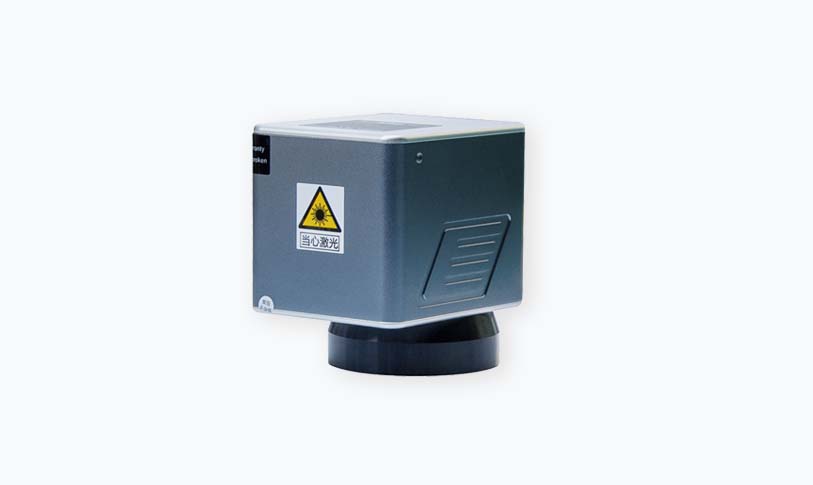
At their core, galvo scanners consist of a laser source, optical system, and a pair of galvanometric mirrors. These mirrors are controlled by servo motors that adjust their tilt angle. When a laser beam is directed toward these mirrors, their rapid movements enable quick and precise positioning of the laser spot over a designated area. This mechanism eliminates the need for the laser source to move, leading to increased speed and accuracy in processing materials.
How Do Galvo Scanners Work?
The operational principle of galvo scanners is based on the two-dimensional movement of galvanometric mirrors, also known as galvos. These mirrors pivot around fixed points, allowing for intricate adjustments in two axes (X and Y). The control signals sent from a computer or controller instruct the mirrors to adjust their angles in real-time, directing the laser beam with high precision.
When employed in laser engraving or cutting, the software converts digital images into instructions for the galvo system. As the mirrors tilt, the laser beam traces the specified pattern with exceptional speed. The ability of galvo scanners to execute these processes instantaneously results in minimal wait times and optimized processing.
Applications of Galvo Scanners
Galvo scanners have a broad range of applications across various industry sectors, including:

Understanding Galvo Scanners: Revolutionizing Laser Applications in Manufacturing and Beyond
2. **Cutting Materials**: In industries requiring precise material cutting, such as aerospace and automotive manufacturing, galvo scanners are invaluable. Their ability to execute complex shapes and profiles makes them ideal for cutting intricate designs efficiently.
3. **3D Printing and Additive Manufacturing**: As the 3D printing industry grows, galvo scanners are increasingly used in additive manufacturing processes. They enhance the speed and resolution of printed parts by allowing for rapid laser positioning during the laser sintering or curing stages.
4. **Medical Applications**: Galvo scanners are also becoming more prominent in the medical field, particularly in laser surgery and tissue marking. Their precision ensures accurate applications while minimizing damage to surrounding tissues.
5. **Barcoding and QR Code Printing**: With the growing demand for custom barcodes and QR codes, galvo scanners are increasingly being used for rapid and accurate printing. They can engrave or mark codes directly onto products or labels without compromising speed or quality.
Advantages of Galvo Scanners
The adoption of galvo scanners offers numerous advantages, which include:
- **Speed and Efficiency**: Galvo scanners can operate at speeds far exceeding traditional laser systems. This speed allows for high throughput, making them ideal for large production runs.
- **Precision**: The unique ability of galvo mirrors to move quickly and accurately results in impressively fine detail and smooth finishes.
Understanding Galvo Scanners: Revolutionizing Laser Applications in Manufacturing and Beyond
- **Reduced Wear and Tear**: Because the laser source remains stationary, there is less mechanical wear in systems utilizing galvo scanners compared to traditional moving laser systems.
Future Trends

Understanding Galvo Scanners: Revolutionizing Laser Applications in Manufacturing and Beyond
Conclusion
In conclusion, galvo scanners represent a significant leap forward in laser technology. Their ability to offer swift, precise, and versatile solutions has changed the landscape of manufacturing, medical, and many other sectors. As we continue to explore the boundaries of what these scanners can achieve, their potential to transform industries remains vast and untapped, signaling a bright future for this innovative technology.