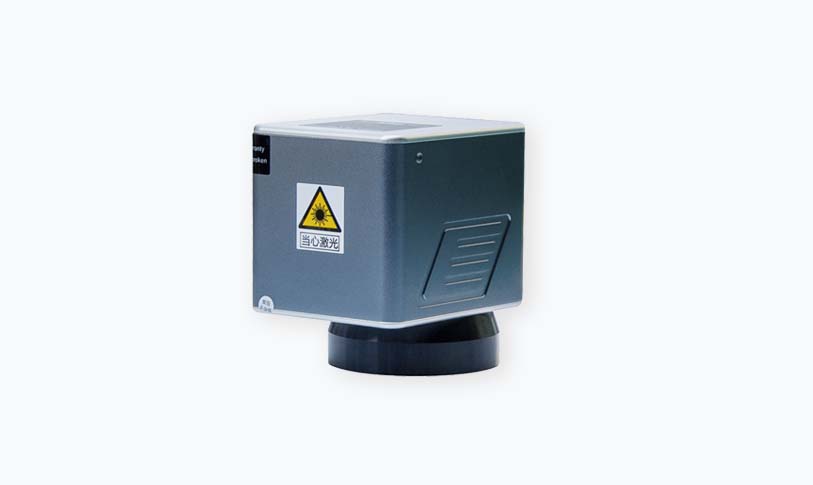
[laser mark control board v2 driver]Exploring the Advantages and Features of the Laser Mark Control Board V2 Driver for Precision Manufacturing
News 2025-2-5
In the rapidly advancing world of modern manufacturing and laser technology, the need for effective control systems is paramount. One such innovation that stands out is the Laser Mark Control Board V2 Driver. This sophisticated driver is engineered to facilitate precision control over laser marking systems, catering to a wide array of industries—from automotive to electronics, and beyond. In this article, we will delve into the unique features, benefits, and applications of the Laser Mark Control Board V2 Driver, illustrating why it has become an essential tool in the realm of industrial laser marking.
Understanding Laser Marking Technology
Before we explore the specifics of the Laser Mark Control Board V2 Driver, it’s essential to grasp the fundamental principles of laser marking technology. Laser marking involves using a focused laser beam to create permanent markings on various materials, including metals, plastics, glass, and ceramics. This process is favored for its precision, speed, and the ability to produce high-quality markings that are resistant to wear, corrosion, and fading. As industries continue to evolve, the demand for efficient and reliable laser marking solutions grows, significantly impacting production lines and product labeling.
The Role of the Control Board
A laser marking control board serves as the neural center of a laser marking system. It manages the operation of the laser, ensuring that the marking process is executed with utmost accuracy and efficiency. The Laser Mark Control Board V2 Driver brings enhancements to this control mechanism, allowing users to fully harness the capabilities of their laser systems.
Key Features of the Laser Mark Control Board V2 Driver
1. **Enhanced Connectivity**: The Laser Mark Control Board V2 Driver offers versatile connectivity options, including USB and serial interfaces. This allows for seamless integration with a wide range of computers and software, facilitating easy setup and operation.
2. **Precision Control**: One of the standout features of the V2 Driver is its ability to provide precise control over laser settings. Users can easily adjust parameters such as power, speed, and frequency, ensuring optimal marking quality tailored to the specific material being processed.
3. **User-Friendly Software**: The V2 Driver typically comes with a comprehensive software package that simplifies the design process. Users can create, import, and edit design files effortlessly. The software often includes templates and tools to optimize designs for specific marking applications, enabling quicker turnaround times.
4. **Multiple Marking Modes**: The Laser Mark Control Board V2 Driver supports various marking modes, including vector, raster, and text marking. This flexibility allows businesses to diversify their product offerings and customize markers to suit different needs, whether they are serializing products or creating intricate designs.
5. **High-Speed Processing**: Speed is crucial in manufacturing environments. The V2 Driver's high-speed processing capabilities enable fast marking without compromising quality. This directly translates to increased productivity and efficiency on the production floor.

Exploring the Advantages and Features of the Laser Mark Control Board V2 Driver for Precision Manufacturing

Exploring the Advantages and Features of the Laser Mark Control Board V2 Driver for Precision Manufacturing
The applications of the Laser Mark Control Board V2 Driver are vast. It is used in industries such as:
- **Automotive**: Marking VIN numbers, part numbers, and barcodes on components to ensure traceability and compliance. - **Electronics**: Providing permanent identification on circuit boards and electronic components, crucial for quality control. - **Medical Devices**: Ensuring precise labeling on medical equipment and devices for safety and regulatory compliance. - **Consumer Goods**: Used for branding and personalization on products, enhancing customer engagement.
Conclusion