[fiber laser control board]Understanding the Importance and Functionality of Fiber Laser Control Boards in Modern Laser Applications
News 2025-1-30
In the rapidly evolving world of laser technology, fiber lasers have carved out a pivotal niche across various industries, from manufacturing to healthcare. Central to the effective operation of these lasers is the fiber laser control board, a component that not only optimizes performance but also enhances the versatility and precision of laser devices. In this article, we delve into the significance, functionality, and advancements in fiber laser control boards, illustrating why they are indispensable in contemporary laser applications.
What is a Fiber Laser Control Board?
At its core, a fiber laser control board serves as the brain of the fiber laser system. It coordinates the various operational parameters, ensuring that the laser functions optimally and produces the desired outcomes. The control board is tasked with managing the laser’s operation modes, modulating the beam quality, and interfacing with external systems, whether they are CNC machines, robotics, or other automated setups.
Key Functions of a Fiber Laser Control Board

Understanding the Importance and Functionality of Fiber Laser Control Boards in Modern Laser Applications
2. **Communication**: Fiber laser control boards facilitate seamless communication between the laser and other devices. They typically include interfaces that allow for integration with a variety of software, enabling remote operation and monitoring, as well as the execution of complex design files.
3. **Safety Features**: Given the high power levels associated with fiber lasers, control boards are equipped with several safety features. These may include emergency stop functions and monitoring systems that can detect faults or irregularities in the laser’s performance, thereby preventing accidents and ensuring operator safety.
4. **User Interface Management**: A user-friendly interface is crucial for operators to efficiently control the laser. Modern fiber laser control boards often come with touchscreens or are compatible with software that provides intuitive controls, allowing users to easily set parameters and monitor performance.
5. **Feedback Mechanisms**: Advanced control boards utilize feedback systems to continuously monitor the laser's output and adjust its operation accordingly. This real-time feedback helps in maintaining consistency, particularly important in industries where precision is paramount, such as aerospace and medical device manufacturing.
Advancements in Fiber Laser Control Board Technology
The technology behind fiber laser control boards has made significant strides in recent years, leading to improved efficiency, flexibility, and user experience. Some of the latest advancements include:

Understanding the Importance and Functionality of Fiber Laser Control Boards in Modern Laser Applications
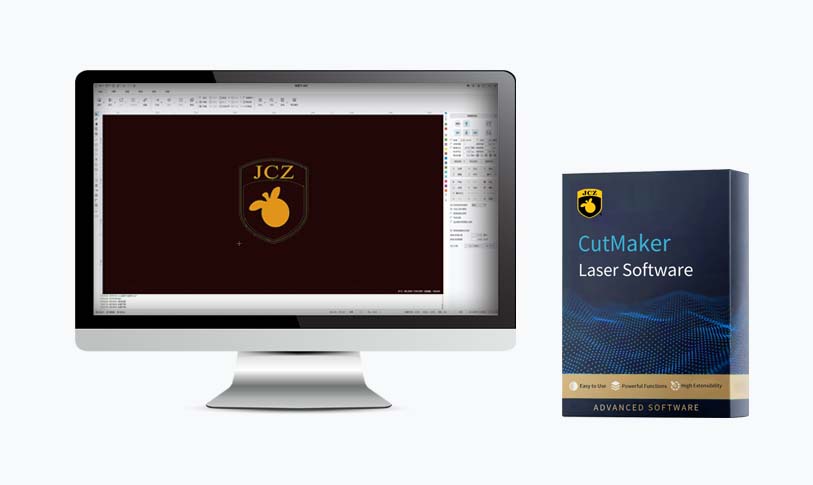
Understanding the Importance and Functionality of Fiber Laser Control Boards in Modern Laser Applications
- **Modular Designs**: Many of the latest control boards are designed to be modular, allowing manufacturers to customize their systems according to specific applications. This flexibility can lead to cost savings and efficiency improvements, as businesses can scale their operations more easily.
Applications Across Industries
The versatility of fiber laser control boards has made them applicable across a myriad of industries:
- **Manufacturing**: In manufacturing, fiber lasers are used for cutting, welding, and engraving materials ranging from metals to plastics. The precision offered by advanced control boards enhances productivity and reduces material waste.
- **Healthcare**: In medical applications, fiber lasers are employed for surgeries and cosmetic procedures. The control boards' ability to manage beam precision and output is critical in ensuring patient safety and effective treatment results.
- **Aerospace and Automotive**: These sectors demand extremely high precision and reliability. Fiber laser control boards play a vital role in parts manufacturing, where defects must be minimized.
Conclusion
The fiber laser control board stands as a fundamental element in the operation of fiber laser systems, ensuring precision, efficiency, and safety across various applications. With ongoing advancements in technology, these control boards continue to evolve, pushing the boundaries of what is possible with fiber lasers. As industries increasingly turn to laser technologies for their manufacturing needs, understanding the role and capabilities of fiber laser control boards will become even more critical for operators and businesses alike. By leveraging these advancements, industries can enhance productivity, reduce errors, and improve overall operational efficiency.