[c02 laser]The Transformative Role of CO2 Lasers in Modern Medicine and Aesthetic Treatments: Innovative Applications and Future Developments
News 2025-1-29
CO2 lasers have emerged as a transformative tool in various fields, particularly in medicine and aesthetics, thanks to their versatility and effectiveness. These lasers, which function by emitting a concentrated beam of carbon dioxide light, are employed in diverse applications ranging from surgical procedures to skin resurfacing treatments. The unique properties of CO2 lasers allow for precise tissue cutting and vaporization, making them invaluable in both invasive and non-invasive procedures. This article explores the significance of CO2 lasers, their applications, benefits, and the promising future they hold in enhancing medical and aesthetic outcomes.
The Transformative Role of CO2 Lasers in Modern Medicine and Aesthetic Treatments: Innovative Applications and Future Developments
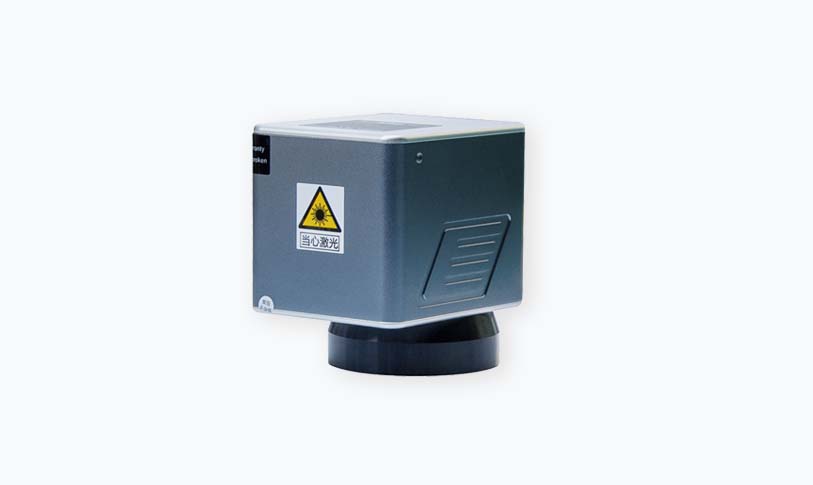
At its core, a CO2 laser generates light by stimulating carbon dioxide molecules. The laser produces a specific wavelength (10,600 nanometers) that is readily absorbed by water present in the tissues. This high absorption rate leads to efficient vaporization of the tissue, minimizing damage to the surrounding areas. The ability to precisely target the desired tissues makes CO2 lasers ideal for a variety of applications.
The Transformative Role of CO2 Lasers in Modern Medicine and Aesthetic Treatments: Innovative Applications and Future Developments
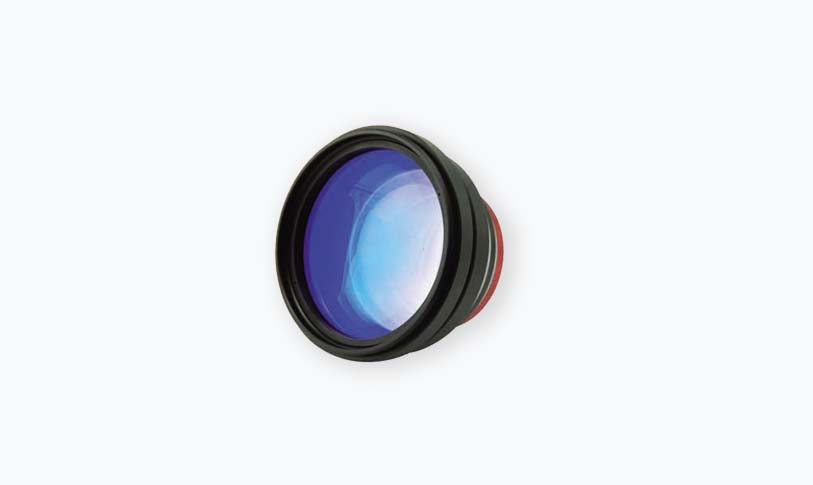
In the surgical realm, CO2 lasers have revolutionized procedures across multiple specialties, including dermatology, gynecology, ophthalmology, and oral surgery. One of the most common uses is the excision of tumors and lesions. Surgeons appreciate the laser's precision, which reduces the risk of bleeding and infection, contributing to faster recovery times and less scarring.
In dermatology, CO2 lasers are frequently used for skin resurfacing procedures. By ablating the outer layers of skin, these lasers stimulate collagen production, leading to improved skin texture and tone. This procedure is particularly beneficial for individuals with acne scars, wrinkles, and sun damage. Patients often report a significant improvement in the appearance of their skin, which contributes to higher self-esteem and overall satisfaction.
**Aesthetic Treatments with CO2 Lasers**
The field of aesthetic treatments has also seen a surge in the adoption of CO2 lasers. Non-invasive cosmetic procedures such as fractional CO2 laser treatment have gained popularity for their ability to provide significant results with minimal downtime. Fractional CO2 lasers deliver energy in a grid pattern, targeting only a fraction of the skin while leaving surrounding areas unharmed. This approach enables the skin to heal more rapidly and reduces the overall recovery period.
Moreover, the versatility of CO2 lasers extends to various applications, including the treatment of stretch marks, skin tightening, and even tattoo removal. The ability to customize the intensity and depth of the laser makes it an excellent option for addressing diverse skin concerns. Clinics and practitioners can tailor treatments to meet individual patient needs, which enhances the overall effectiveness of the procedures.
**Safety and Efficacy**
While the benefits of CO2 lasers are substantial, safety and efficacy remain paramount. Practitioners are trained to assess patient skin type, medical history, and aesthetic goals to ensure optimal outcomes. The advent of advanced CO2 laser technology has also introduced features that enhance safety, such as precision targeting, real-time monitoring, and integrated cooling systems to minimize discomfort during treatments.
Side effects are relatively mild when appropriate protocols are followed. Patients may experience redness, swelling, and temporary discomfort, but these symptoms typically subside within a few days. Most individuals are able to return to their daily routines shortly after treatment, a significant advantage over traditional surgical methods.
The Transformative Role of CO2 Lasers in Modern Medicine and Aesthetic Treatments: Innovative Applications and Future Developments
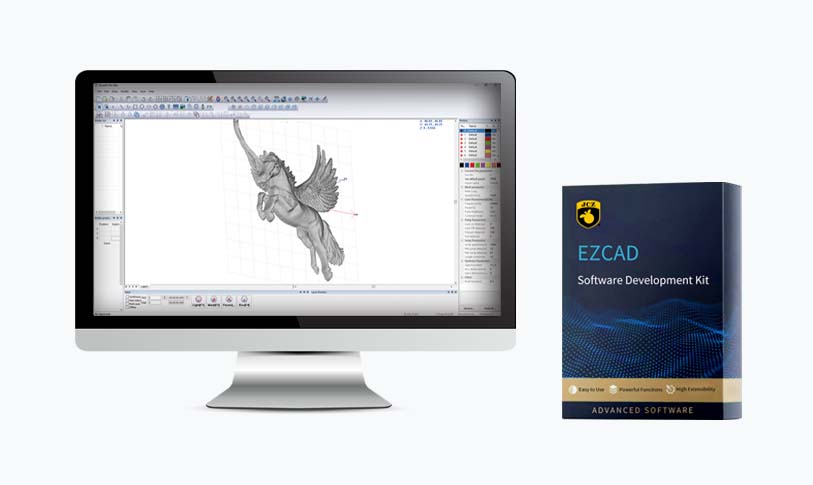
As technology continues to evolve, the future of CO2 lasers holds exciting prospects. Ongoing research aims to improve the precision, efficacy, and safety of laser treatments. Innovations such as combining CO2 lasers with other modalities, like radiofrequency and ultrasound, are being explored to enhance outcomes further.
Additionally, advancements in imaging and monitoring technology may pave the way for even more personalized and efficient treatments, ensuring that patients receive tailored care that aligns with their unique needs.
**Conclusion**
CO2 lasers have dramatically changed the landscape of medicine and aesthetics, offering powerful solutions for various surgical and cosmetic challenges. With their ability to promote rapid healing, reduce scarring, and improve patient satisfaction, the role of CO2 lasers in modern healthcare cannot be overstated. As research and technology continue to advance, we can expect even more innovative applications for CO2 lasers, ultimately improving patient outcomes and quality of life.