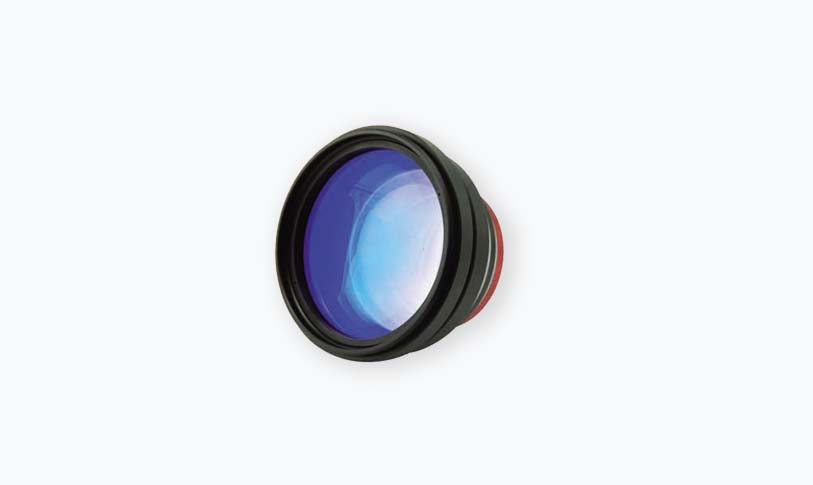
[red laser vs green laser]Understanding the Differences Between Red Laser and Green Laser: Which Is Best for Your Needs in Various Applications?
News 2025-1-28
In recent years, the popularity of laser pointers and handheld laser devices has skyrocketed. Among the various types available, red lasers and green lasers stand out as the most commonly used. Understanding the essential differences between red lasers and green lasers can help individuals determine which option best suits their needs for various applications, ranging from presentations and astronomy to outdoor activities and industrial uses. In this article, we will delve into the fundamental characteristics of both red and green lasers, exploring their advantages and disadvantages to help clarify which one may be best for your specific requirements.
Basic Characteristics of Red and Green Lasers
The primary distinction between red and green lasers lies in their wavelength. Red lasers typically operate at a wavelength of around 630 to 680 nanometers, while green lasers emit light in the range of 520 to 550 nanometers. This difference in wavelength leads to notable variations in visibility. The human eye is generally more sensitive to green light, meaning that a green laser appears brighter and more intense than a red laser of the same power output.
For example, a 5-milliwatt green laser can be perceived as significantly brighter than a 30-milliwatt red laser. This characteristic makes green lasers particularly popular for applications where high visibility is crucial, such as astronomical observations and outdoor presentations.
Visibility and Visibility Range
When it comes to visibility range, green lasers have a clear advantage. With their superior brightness, they can be seen from a much greater distance than red lasers. This makes them an ideal choice for stargazers and astronomers who need to point out celestial bodies or navigate via laser beams. Moreover, when used outdoors during the day or in well-lit environments, a green laser is typically easier to see than its red counterpart, which can often be washed out in bright conditions.

Understanding the Differences Between Red Laser and Green Laser: Which Is Best for Your Needs in Various Applications?
Applications and Use Cases
The applications of red and green lasers vary significantly based on their properties. Red lasers are commonly found in presentations, laser pointers for educational purposes, and basic aiming applications. They are widely used in classrooms, corporate settings, and home entertainment systems.
On the other hand, green lasers are frequently utilized in fields requiring high visibility and precision. Astronomers rely on them to point out stars and constellations, while outdoor enthusiasts use them for navigation or signaling. In industries such as construction, green lasers are used for leveling and alignment due to their visibility over long distances.
Furthermore, green lasers are also popular in hunting and firearm training, providing hunters and shooters a clear point of aim. In contrast, red lasers are often deemed more suited for use in lower-stakes situations, such as casual presentations or low-light signaling, where high visibility is not as critical.
Safety Considerations
When discussing red laser vs. green laser, safety is an essential factor. Both types can pose risks if misused. Green lasers, in particular, are often more potent and can cause more significant eye damage if pointed directly at someone’s eyes. The FDA has set limits on the power of laser pointers to ensure safety for general consumers, which means most of the green lasers on the market fall under the 5-milliwatt standard. Nevertheless, users should always exercise caution regardless of the type.
Conclusion
Understanding the Differences Between Red Laser and Green Laser: Which Is Best for Your Needs in Various Applications?