[uv femtosecond laser]Advancements in Precision Engineering: The Role of UV Femtosecond Lasers in Modern Manufacturing and Medical Applications
News 2025-1-24
In recent years, the field of laser technology has witnessed remarkable advancements, particularly with the development and application of UV femtosecond lasers. These high-precision devices have emerged as valuable tools in various sectors, including manufacturing, medicine, and scientific research. By providing exceptionally short pulses of ultraviolet light, UV femtosecond lasers enable unprecedented control over material processing and manipulation at the nanoscale level.
**Understanding UV Femtosecond Lasers**
UV femtosecond lasers produce pulses of light that last just a few femtoseconds—equivalent to one quadrillionth of a second. This high temporal resolution allows the laser to interact with materials in a unique way. Unlike traditional lasers, which generate heat and may result in thermal damage to the surrounding area, UV femtosecond lasers can induce nonlinear optical processes. This leads to highly localized interactions that vaporize or ablate materials with minimal heat-affected zones, making this technology particularly valuable for applications requiring high precision.
**Applications in Precision Manufacturing**
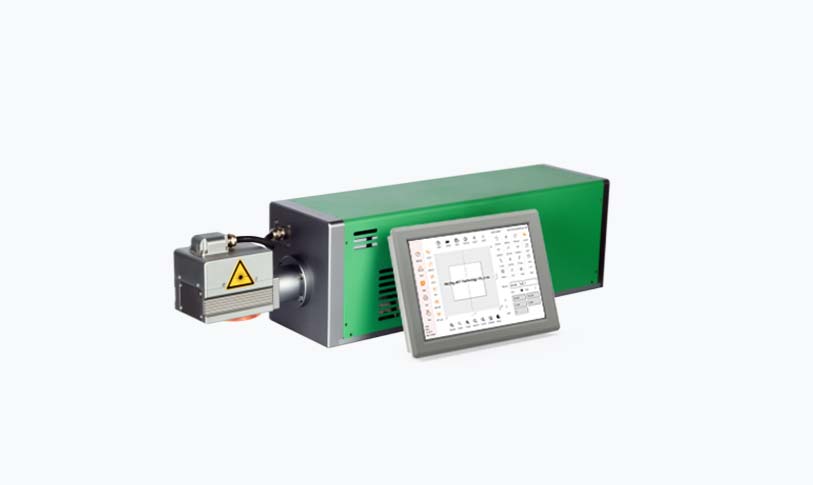
Advancements in Precision Engineering: The Role of UV Femtosecond Lasers in Modern Manufacturing and Medical Applications

Advancements in Precision Engineering: The Role of UV Femtosecond Lasers in Modern Manufacturing and Medical Applications
Furthermore, UV femtosecond lasers enable the creation of micro-optical components, such as lenses and waveguides, which play a critical role in optical communication and imaging technologies. The ability to tailor optical properties through precise ablation techniques significantly enhances the efficiency and functionality of these components.
**Impact on Medical Technology**
The medical field also benefits immensely from the integration of UV femtosecond lasers. One notable application is in the field of ophthalmology, particularly for procedures like LASIK. The precision and control of femtosecond lasers allow for the accurate reshaping of corneal tissue, which is essential in vision correction surgeries. This minimization of collateral damage improves patient outcomes and reduces recovery times compared to conventional methods.
In addition to ophthalmological applications, UV femtosecond lasers are making strides in tissue engineering and regenerative medicine. Their ability to perform laser-assisted bioprinting allows for the fabrication of complex tissue structures with high cell viability and spatial resolution. This advancement has significant implications for creating artificial organs and tissues for transplantation, paving the way for innovative treatments in the medical community.
**Research and Scientific Applications**
The versatility of UV femtosecond lasers also extends to research and academia. Scientists utilize these lasers for various applications, including spectroscopy, surface modification, and nanoparticle generation. The ability to precisely control laser parameters enables researchers to explore the interaction of light with matter at a fundamental level. Studies conducted with UV femtosecond lasers have led to insights in fields such as chemistry, materials science, and biology.
For example, UV femtosecond lasers are employed in studies of ultrafast phenomena, allowing researchers to visualize dynamic processes that occur on extremely short timescales. By observing reactions as they happen, scientists can better understand the mechanisms underlying various physical and chemical processes, thus advancing knowledge and innovation in many scientific domains.
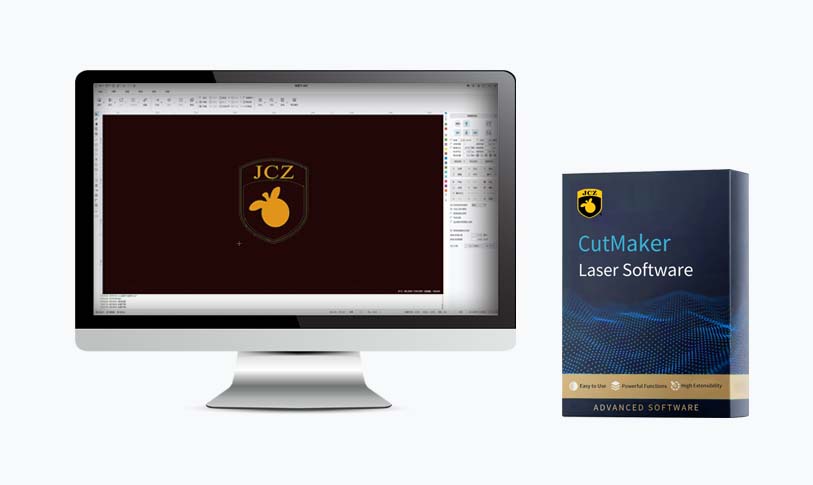
Advancements in Precision Engineering: The Role of UV Femtosecond Lasers in Modern Manufacturing and Medical Applications
The advancements in UV femtosecond laser technology are reshaping the landscape of precision engineering, offering unprecedented capabilities in manufacturing, medical applications, and scientific research. From the creation of intricate micro-components in industry to groundbreaking techniques in medicine and cutting-edge research, UV femtosecond lasers exemplify the power of innovation in harnessing light for practical applications. As technology continues to evolve, we can expect even more exciting developments and discoveries made possible by these remarkable tools.