[co2 laser controller]Understanding the Role of CO2 Laser Controllers in Advancing Laser Technology for Industrial Applications
News 2025-1-24
****In the dynamic world of manufacturing and material processing, CO2 laser controllers play a pivotal role in optimizing the performance of CO2 lasers. As one of the most widely used types of lasers, CO2 lasers enable a variety of applications, including cutting, engraving, and marking on diverse materials. The advancements in laser technology are substantial, and integral to these advancements are the controllers that manage every aspect of the laser’s functionality. Understanding the role of CO2 laser controllers not only highlights their importance in industrial applications but also sheds light on their technological innovations, benefits, and future potential.
The Basics of CO2 Lasers
A CO2 laser produces a laser beam by electrically exciting a gas mixture primarily composed of carbon dioxide, along with nitrogen and helium. The wavelength of the light emitted by these lasers is around 10.6 micrometers, which is particularly effective for cutting and engraving materials like wood, acrylic, glass, and metals. The operational efficiency and quality of the laser output depend significantly on the CO2 laser controller that governs its tasks.
The Functionality of CO2 Laser Controllers
CO2 laser controllers are sophisticated devices designed to manage and orchestrate the various functions of CO2 lasers. These controllers perform several critical roles:
1. **Control of Laser Parameters:** The controller regulates key parameters such as laser power, speed, and frequency. Precise control of these factors ensures optimal cutting and engraving performance for different materials and thicknesses.
2. **Path Planning:** CO2 laser controllers use computer-aided design (CAD) software to create detailed cutting patterns. The controller translates these designs into G-code, a language that commands the laser to follow specific paths with accuracy.

Understanding the Role of CO2 Laser Controllers in Advancing Laser Technology for Industrial Applications
4. **Integration with Automation Systems:** Many modern CO2 laser controllers can integrate seamlessly with broader manufacturing automation systems. This feature allows for sophisticated workflows where materials are loaded, processed, and unloaded with minimal human intervention.
Benefits of Advanced CO2 Laser Controllers
The evolution of CO2 laser controllers has brought forth numerous benefits that enhance productivity and quality in manufacturing processes:
Understanding the Role of CO2 Laser Controllers in Advancing Laser Technology for Industrial Applications
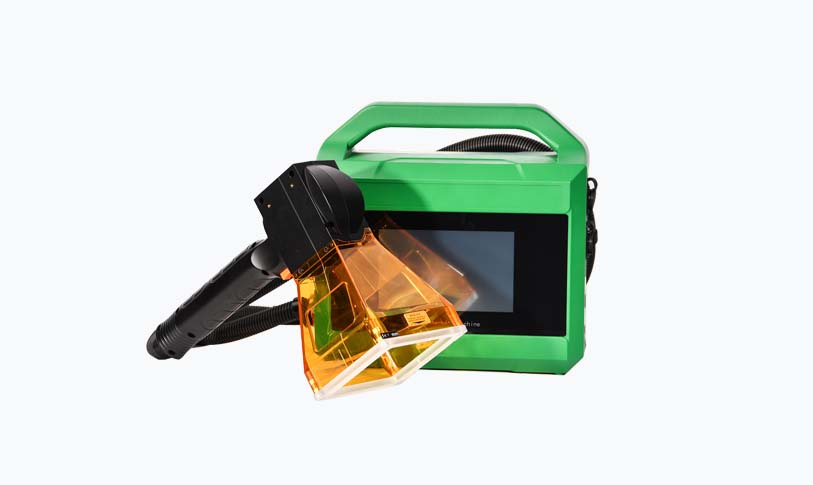
- **User-Friendly Interfaces:** Most modern controllers come equipped with intuitive user interfaces that simplify operation for technicians and engineers. Touchscreens, icons, and straightforward navigation help users quickly program the laser for various applications.
- **Enhanced Efficiency:** By automating many processes and providing real-time adjustments, CO2 laser controllers significantly reduce production times. This efficiency translates into cost savings for manufacturers.
- **Versatility:** Advanced CO2 laser controllers can adapt to a wide array of materials and processes. As businesses diversify their offerings, having a versatile controller is essential for maintaining competitiveness in diverse markets.
The Future of CO2 Laser Controllers

Understanding the Role of CO2 Laser Controllers in Advancing Laser Technology for Industrial Applications
In conclusion, CO2 laser controllers are indispensable components in the operation of CO2 lasers, directly impacting efficiency, quality, and versatility in industrial applications. As technological advancements continue to reshape the manufacturing landscape, understanding and leveraging the capabilities of these controllers will remain essential for businesses aiming to stay at the forefront of innovation. By investing in advanced CO2 laser controllers, manufacturers can ensure they maximize their operational potential while meeting the demands of an ever-evolving market.