[nanosecond fiber laser]Exploring the Revolutionary Applications and Advantages of Nanosecond Fiber Lasers in Modern Manufacturing and Medical Industries
News 2025-1-23
Nanosecond fiber lasers have emerged as a groundbreaking technology in various industries, showcasing their versatility, precision, and efficiency. With pulse durations in the nanoseconds range, these lasers deliver high peak power in a very short time, making them ideal for applications that require exceptional accuracy and minimal thermal impact. In the following article, we will delve into the various applications of nanosecond fiber lasers, their advantages over traditional laser systems, and the potential they hold for the future.
Understanding Nanosecond Fiber Lasers

Exploring the Revolutionary Applications and Advantages of Nanosecond Fiber Lasers in Modern Manufacturing and Medical Industries
The ability to control pulse duration allows for precise energy delivery, which enhances the effectiveness of the laser in a myriad of applications. From industrial manufacturing to medical procedures, the flexibility of nanosecond fiber lasers has made them a popular choice.
Applications in Manufacturing
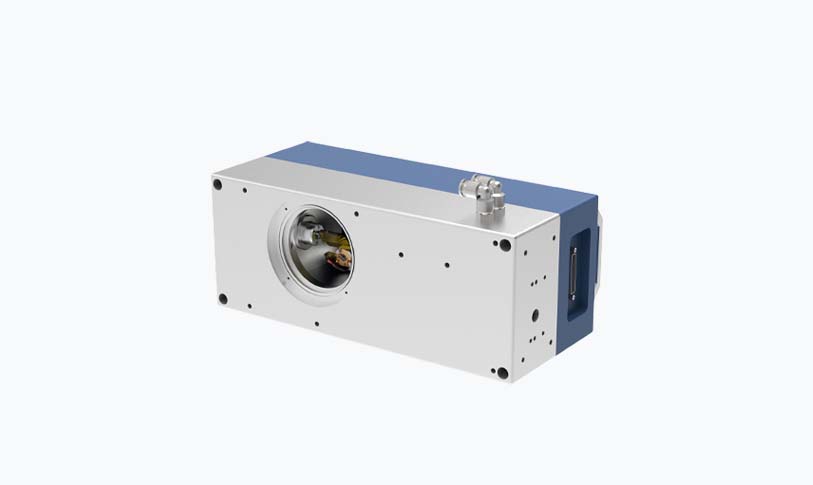
Exploring the Revolutionary Applications and Advantages of Nanosecond Fiber Lasers in Modern Manufacturing and Medical Industries
1. **Material Cutting**: Nanosecond fiber lasers can cut through thick materials with ease. The focused laser beam can penetrate surface coatings and deliver energy deeply, resulting in clean and precise cuts. This capability allows manufacturers to produce complex designs and shapes without the need for extensive secondary processes.
2. **Engraving and Marking**: The short pulse duration of nanosecond fiber lasers minimizes heat-affected zones (HAZ), which is crucial when detailing fine graphics or text on sensitive surfaces. This makes them particularly useful in the identification and serial numbering of products, as well as in brand logo engraving.
3. **Welding**: These lasers can also be employed for welding applications, where precision is required to join materials without compromising their structural integrity. This is particularly relevant in industries such as aerospace and medical device manufacturing, where component reliability is paramount.
Benefits in Medical Technology
The medical field has also benefited significantly from the advancements in nanosecond fiber laser technology. Their precision and ability to minimize tissue damage make them indispensable tools for various surgical and therapeutic applications.
1. **Dermatology**: Nanosecond fiber lasers are employed in dermatology for skin resurfacing and tattoo removal. The effectiveness of the laser in targeting specific skin layers ensures minimal damage to surrounding tissue, resulting in faster recovery times for patients.
2. **Laser Lithotripsy**: In urology, nanosecond fiber lasers can fragment kidney stones quickly and efficiently. The precision of these lasers allows urologists to break stones with reduced risk of damaging adjacent tissues, leading to better patient outcomes.
3. **Ophthalmology**: In eye surgeries, such as cataract removal or corneal reshaping, the short pulse duration and precision of nanosecond fiber lasers enhance the safety and effectiveness of procedures, leading to improved vision restoration.
Conclusion: The Future of Nanosecond Fiber Lasers
As technology continues to evolve, the applications of nanosecond fiber lasers are set to expand. Researchers and engineers are exploring new ways to harness their capabilities, likely leading to even more innovative uses in various sectors.
The combination of high peak powers, minimal thermal impact, and exceptional precision positions nanosecond fiber lasers as a pivotal technology for the future of manufacturing and medical applications. As industries strive to improve efficiency, reduce costs, and enhance product quality, nanosecond fiber lasers will undoubtedly play a critical role in shaping the landscape of technology for years to come.
