[pulsed laser light]Exploring the Revolutionary Applications of Pulsed Laser Light in Science, Medicine, and Industry
News 2025-1-22

Exploring the Revolutionary Applications of Pulsed Laser Light in Science, Medicine, and Industry
Pulsed laser light has emerged as a transformative technology across various domains, particularly in science, medicine, and industrial applications. The unique properties of this form of laser technology—characterized by emitting light in short bursts or pulses—enable remarkable precision and effectiveness that conventional continuous-wave lasers cannot achieve. This article delves into the fundamental principles of pulsed laser light, its operational mechanisms, and the wide array of applications that highlight its significance in contemporary society.
**Understanding Pulsed Laser Light**
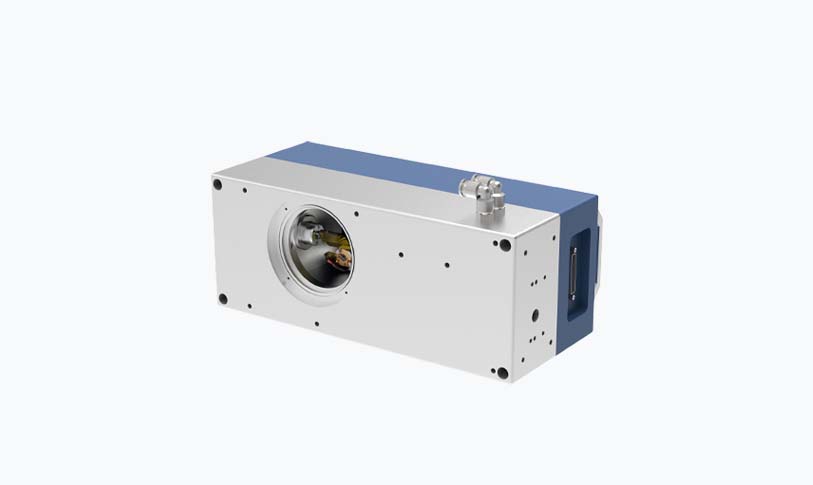
Exploring the Revolutionary Applications of Pulsed Laser Light in Science, Medicine, and Industry
The ability to focus intense energy in a fraction of a second without overheating the surrounding materials is one of the key advantages of pulsed lasers. This capability allows for high-precision light manipulation and interactions between the laser light and matter, often resulting in minimal thermal damage—an essential consideration in many applications.
**Pulsed Laser Light in Medicine**
One of the most impactful uses of pulsed laser light is found in the medical field. The precision and controlled energy release of pulsed lasers have revolutionized surgical procedures, particularly in ophthalmology and dermatology. In LASIK eye surgery, pulsed lasers allow ophthalmologists to reshape corneas with exacting precision, enabling patients to achieve better vision without the need for glasses or contact lenses.

Exploring the Revolutionary Applications of Pulsed Laser Light in Science, Medicine, and Industry
**Industrial Applications of Pulsed Lasers**
Industrially, pulsed laser light plays a vital role in manufacturing processes, enabling innovations in material processing. Laser cutting and engraving are common applications where pulsed lasers significantly outperform traditional methods. The ability to rapidly remove material with precision makes pulsed lasers ideal for cutting intricate designs or patterns in various materials, including metals, plastics, and ceramics.
Moreover, pulsed lasers are employed in the electronics industry for tasks such as micromachining, where precision and minimal heat input are critical. As devices become smaller and more complex, the need for advanced manufacturing techniques grows. Pulsed lasers meet these demands by allowing manufacturers to etch fine patterns onto circuit boards or create microstructures on semiconductor materials with incredible accuracy.
Pulsed lasers also find applications in the field of metrology, where they are used for high-precision measurement and testing. Advanced pulsed laser systems can measure distances with unprecedented accuracy, enabling fine adjustments in machinery and contributing to the refinement of various industrial processes.
**Challenges and Future Directions**
Despite their advantages, the use of pulsed laser light is not without challenges. The complexity of laser systems can lead to higher upfront costs, and the need for specialized training to operate these technologies effectively is a consideration for medical and industrial practitioners. Additionally, research continues into extending the capabilities of pulsed lasers, particularly in increasing pulse repetition rates and improving energy efficiency.
As technology evolves, further advancements in pulsed laser applications are likely. Researchers are exploring uses in fields such as telecommunications, where pulsed lasers could enhance data transmission rates, and in the exploration of new materials with applications in renewable energy technologies.
In conclusion, pulsed laser light represents a remarkable technological advancement that has broad implications across various sectors. From precision surgeries and skin treatments to innovative manufacturing practices and metrological precision, the impact of pulsed lasers is undeniable. As research and development continue, the future of pulsed laser technology promises even more groundbreaking applications, cementing its role as a pillar of modern science and industry.