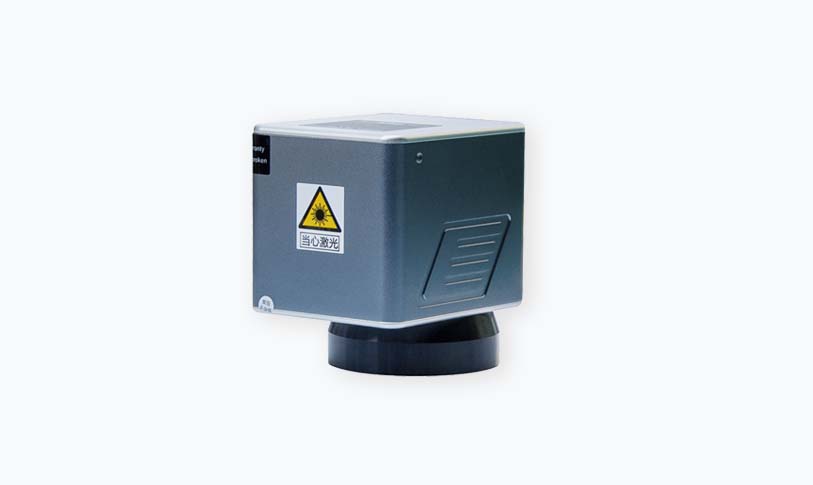
[uv femtosecond laser]Exploring the Revolutionary Applications of UV Femtosecond Lasers: From Precision Manufacturing to Medical Advancements
News 2025-1-21
Introduction

Exploring the Revolutionary Applications of UV Femtosecond Lasers: From Precision Manufacturing to Medical Advancements
Understanding UV Femtosecond Lasers
At their core, UV femtosecond lasers operate on the principle of the rapid emission of laser light. Unlike traditional lasers, which produce continuous wave emissions, femtosecond lasers generate extremely short bursts of light. The ultraviolet range further enhances their capabilities, allowing for higher absorption rates in various materials, thereby enabling complex interactions on a microscopic level.
One of the most striking features of UV femtosecond lasers is their ability to cause "cold" ablation of materials. This phenomenon occurs because the ultra-short pulses provide enough energy to break molecular bonds without significantly increasing the material's temperature. This results in minimal thermal damage to the surrounding area, which is a critical aspect in applications requiring high precision.
Applications in Precision Manufacturing
One of the most significant applications of UV femtosecond lasers lies in the field of precision manufacturing. These lasers are being increasingly utilized in microfabrication processes, which require intricate and detailed structures. By employing UV femtosecond laser technology, manufacturers can etch, drill, or engrave materials with sub-micron accuracy.
For instance, the production of electronic components, such as microchips and sensors, heavily relies on this technology. By using femtosecond lasers, manufacturers can create features that are not only smaller but also more complex than traditional methods allow. Additionally, the UV light ensures that the materials are processed with minimal stress and disruption, enhancing the overall quality of the final product.
Moreover, industries such as optics are benefiting from UV femtosecond lasers. They can be used to shape optical components, enabling the production of high-quality lenses with customized properties. The finely-tuned laser pulses allow for adjustments in refractive index profiles, which leads to significant improvements in optical performance.
Advancements in Medical Applications
The medical field is another area where UV femtosecond lasers are making substantial contributions. The precision and control offered by these lasers are particularly beneficial in procedures requiring exacting standards. One prominent example is in ophthalmology, where femtosecond lasers are employed for LASIK eye surgery.
In LASIK, the laser creates a precise corneal flap with minimal damage to surrounding tissues. This results in faster healing times and reduced discomfort for patients compared to traditional methods. The ability to tailor the flap dimensions with such high precision also enhances the outcomes concerning visual acuity and overall patient satisfaction.
Moreover, UV femtosecond lasers are being explored for use in photodisruption techniques, which is crucial for treating conditions such as cataracts. The laser energy can break down cataractous tissues with fine accuracy, allowing for their safe and effective removal without impacting surrounding structures.
Emerging Research and Future Directions
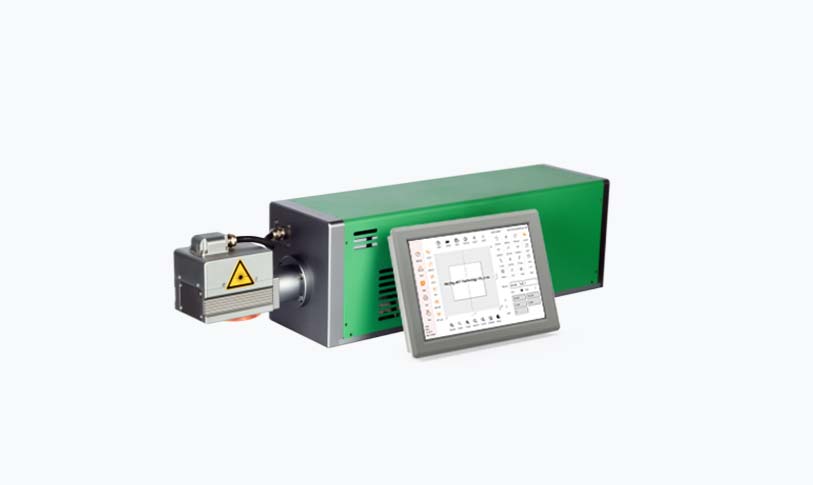
Exploring the Revolutionary Applications of UV Femtosecond Lasers: From Precision Manufacturing to Medical Advancements
As this technology evolves, manufacturers and medical professionals must focus on optimizing laser parameters and developing robust systems that can harness these capabilities efficiently.
Conclusion