[ezcad control board]Exploring the Versatility and Applications of Ezcad Control Board for Laser Engraving and Cutting Projects
News 2025-1-19
****In the realm of laser engraving and cutting, precision and efficiency are key. Among the tools and technology that facilitate these processes, the Ezcad control board stands out as a significant player. Often considered the backbone of many laser engraving systems, the Ezcad control board enhances the functionality of laser machines, making them user-friendly and versatile for various applications.
Understanding the Ezcad Control Board
The Ezcad control board is a digital interface that acts as the bridge between the computer and the laser engraving machine. It is part of a broader ecosystem of hardware and software designed for laser processing. The control board translates design files into commands that the laser system executes, enabling precise control over the cutting and engraving processes.
One of the notable features of the Ezcad control board is its ability to support different file formats, including DXF, BMP, and PLT. This flexibility means users can create intricate designs and convert them into laser-ready files without needing to alter their original formats. Furthermore, the board's advanced motion control capabilities facilitate smooth operation and high-speed processing, essential for high-quality output.
Applications in Various Industries
The applications for the Ezcad control board are vast and varied. From creating signage to intricate artistic designs, the versatility of this control board allows it to cater to a wide range of industrial needs. Here are a few notable applications:
1. **Industrial Manufacturing**: In manufacturing settings, the Ezcad control board is often used for cutting and engraving on materials like metal, wood, acrylic, and leather. This technology enables manufacturers to produce precise parts and components, which are essential for various products, from automotive to electronics.
2. **Custom Design and Personalization**: The rise of personalized products has made laser engraving more popular among small businesses and artisans. The Ezcad control board allows users to create custom items such as engraved gifts, unique promotional products, and tailored awards, enhancing their marketability.
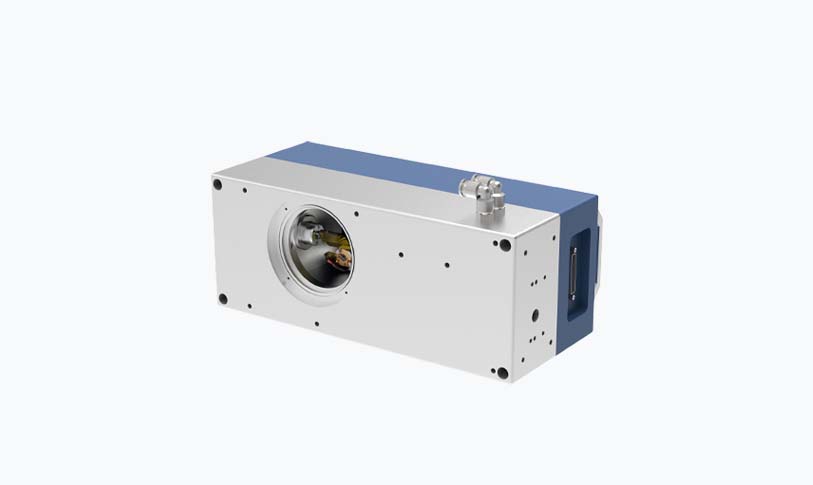
Exploring the Versatility and Applications of Ezcad Control Board for Laser Engraving and Cutting Projects
4. **Artistic Applications**: Artists and creators also benefit from the capabilities of the Ezcad control board. It enables them to experiment with engraving on various materials to produce exceptional works of art. The ability to finely control speed, power, and focus during engraving allows for a wide range of expressive possibilities.
Key Features of the Ezcad Control Board
1. **User-Friendly Interface**: The Ezcad software paired with the control board is designed for ease of use. Even those with limited technical knowledge can quickly learn to operate the system, making it accessible for hobbyists and professionals alike.

Exploring the Versatility and Applications of Ezcad Control Board for Laser Engraving and Cutting Projects

Exploring the Versatility and Applications of Ezcad Control Board for Laser Engraving and Cutting Projects
4. **Customization Options**: Users can often customize settings to suit specific tasks, from altering power levels to adjusting the frequency of the laser. This flexibility ensures that the system can handle a diverse range of materials and thicknesses effectively.
Conclusion
The Ezcad control board is an essential component in the world of laser engraving and cutting, providing a versatile solution for various industries and applications. Its ability to transform intricate designs into tangible products, combined with user-friendly interfaces and high-speed capabilities, makes it a go-to choice for both professionals and DIY enthusiasts. As technology continues to evolve, the Ezcad control board's relevance and impact on modern manufacturing and artistic processes are only expected to grow, solidifying its position as an indispensable tool in the maker and manufacturing communities.