[mini fiber laser]Exploring the Versatility and Precision of Mini Fiber Lasers in Modern Manufacturing and Industrial Applications
News 2025-1-19
In the realm of modern manufacturing and industrial applications, the importance of precision and efficiency cannot be overstated. As industries evolve, so do the technologies that drive them. One such innovation that has gained traction in various sectors is the mini fiber laser. These compact devices are revolutionizing the way materials are processed, offering unparalleled precision, speed, and versatility. In this article, we will explore the workings of mini fiber lasers, their applications, benefits, and the future of this technology in industry.
Understanding Mini Fiber Lasers
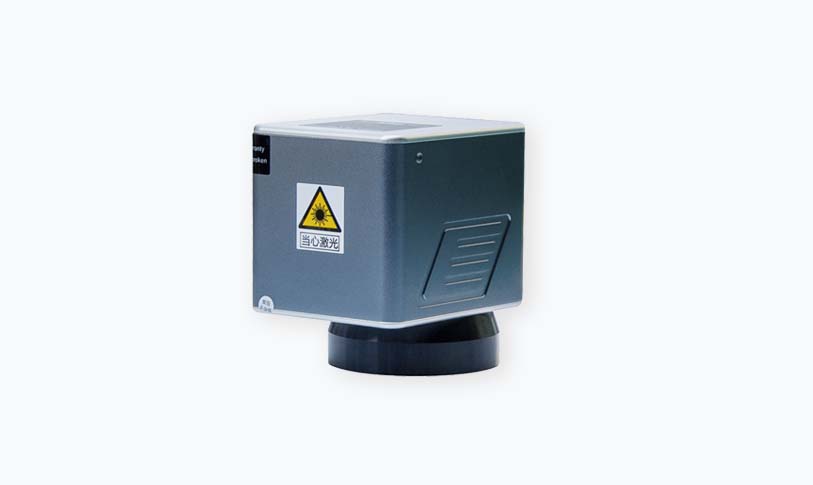
Mini fiber lasers are a type of laser technology that utilizes optical fibers doped with rare-earth elements to generate laser light. The small size and lightweight design of these lasers make them highly versatile and easy to integrate into a wide range of applications. Unlike traditional laser systems, which often require extensive cooling and larger setups, mini fiber lasers can operate efficiently in a compact form factor, delivering high energy outputs without the bulk.
The principle behind mini fiber lasers lies in the Dopant material that is integrated into the optical fiber. Common dopants include ytterbium, erbium, and neodymium, which help in amplifying light when pumped with a specific wavelength of light. The result is a highly concentrated and focused laser beam that can easily cut, engrave, or mark various materials, including metals, plastics, and ceramics.
Applications of Mini Fiber Lasers
The versatility of mini fiber lasers enables their application across a multitude of industries. Some of the key areas where these lasers are making a significant impact include:
Exploring the Versatility and Precision of Mini Fiber Lasers in Modern Manufacturing and Industrial Applications
2. **Marking and Engraving**: For applications requiring precise marking, such as serial numbers, logos, and barcodes, mini fiber lasers excel due to their fine beam quality and depth of focus. They are ideal for engraving on various substrates, including metals and plastics, which is essential for product identification and branding.
3. **Microprocessing**: The small footprint of mini fiber lasers makes them suitable for applications that require microprocessing and fine detail work. They are increasingly used in electronics manufacturing for creating intricate patterns and cutting components in circuit boards.
4. **Medical Device Manufacturing**: The precision and cleanliness of mini fiber lasers are highly advantageous in the medical industry, where they are used for cutting, welding, and engraving on medical devices and surgical instruments. This ensures that components are manufactured accurately and meet strict regulatory standards while minimizing contamination.
Benefits of Mini Fiber Lasers
The use of mini fiber lasers comes with a variety of benefits that enhance their appeal in industrial applications:
- **Precision and Accuracy**: Mini fiber lasers offer unparalleled precision, allowing manufacturers to produce intricate designs with exact specifications. The focused beam ensures clean cuts and marks, minimizing the need for post-processing.

Exploring the Versatility and Precision of Mini Fiber Lasers in Modern Manufacturing and Industrial Applications
Exploring the Versatility and Precision of Mini Fiber Lasers in Modern Manufacturing and Industrial Applications
- **Reduced Maintenance**: The sealed design and fewer moving parts result in reduced maintenance requirements, which translates to increased uptime and lower operational costs. This makes mini fiber lasers an economically attractive option for businesses.
- **Compact Design**: The small and lightweight structure of mini fiber lasers means they can be easily integrated into existing manufacturing setups without requiring extensive modifications or additional space.
The Future of Mini Fiber Lasers
As technology continues to advance, the future of mini fiber lasers looks promising. Research and development in this field are aimed at further enhancing the performance and capabilities of these devices. Innovations such as automation integration, real-time monitoring, and enhanced beam quality are set to expand their applications even further.
In conclusion, mini fiber lasers have emerged as a powerful tool in modern manufacturing and industrial applications. Their precision, versatility, and compact nature are redefining how materials are processed and treated across various industries. As technology progresses, we can expect even more innovations that will allow mini fiber lasers to play an even more critical role in shaping the future of manufacturing.