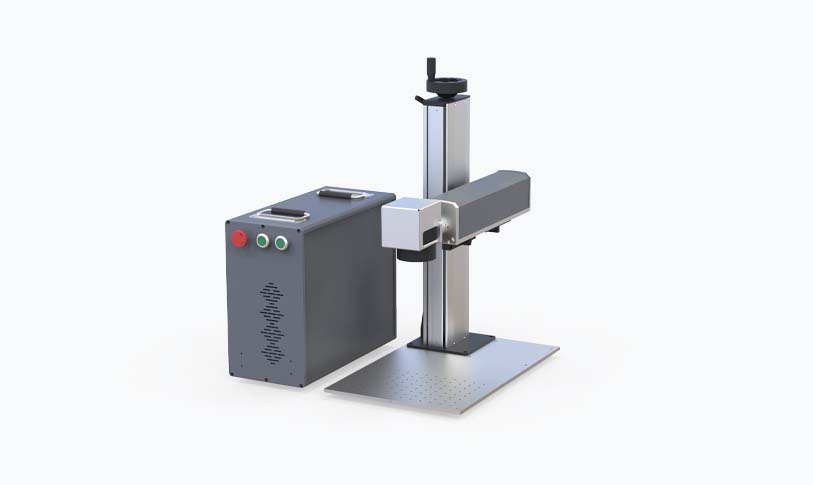
[intense pulse laser]Revolutionizing Material Processing: The Impact of Intense Pulse Lasers on Industrial Manufacturing and Scientific Research
News 2025-1-18
****
Revolutionizing Material Processing: The Impact of Intense Pulse Lasers on Industrial Manufacturing and Scientific Research
Revolutionizing Material Processing: The Impact of Intense Pulse Lasers on Industrial Manufacturing and Scientific Research
One of the most significant advantages of intense pulse lasers is their versatility in material processing. Industries that rely on cutting and welding have now adopted these lasers for their efficiency and precision. In metal fabrication, intense pulse lasers can cut through thick materials such as steel and titanium with minimal distortion. This capability has made them invaluable in sectors that require intricate designs and geometries, such as aerospace and automotive manufacturing. Additionally, the welding process benefits from the concentrated energy of pulsed lasers, enabling deep penetration and strong joins without the introduction of excessive heat.
In addition to industrial applications, intense pulse lasers have significant implications in the medical field. They are utilized in various treatments, including laser surgery, skin resurfacing, and even tattoo removal. The precision of the pulse allows surgeons to target specific tissues without damaging surrounding areas, leading to faster recoveries and improved outcomes for patients. Furthermore, researchers are investigating the use of intense pulse lasers in advanced therapies, such as the treatment of tumors and other medical conditions, revealing their potential as an invaluable tool in modern medicine.
Intense pulse lasers also play a critical role in analytical sciences. Laser-Induced Breakdown Spectroscopy (LIBS) and Laser Ablation techniques demonstrate how these lasers can be employed in material identification and composition analysis. LIBS relies on focused laser pulses to create a plasma that emits light, allowing for the identification of materials with high precision. This is particularly useful in fields such as environmental monitoring, geology, and even space exploration, where accurate data on material compositions is crucial.
One of the challenges faced by industries leveraging intense pulse lasers is the initial investment in equipment and technology. High-powered pulsed lasers can be expensive, and the required infrastructure for their effective use adds to operational costs. However, the benefits in terms of productivity, efficiency, and lower long-term operational costs often outweigh these initial investments. As technology advances, we are likely to see more affordable and accessible intense pulse laser solutions, driving wider adoption across different sectors.
Moreover, the future of intense pulse lasers is promising, with ongoing research focused on developing new laser systems and enhancing their capabilities. Innovations in laser technology, such as increased energy output, better cooling systems, and improved beam quality, are expected to elevate the performance of intense pulse lasers significantly. Additionally, advancements in control systems and software will allow for greater automation and integration into existing manufacturing processes.