[ultraviolet laser]Exploring the Impact and Applications of Ultraviolet Lasers in Modern Technology and Scientific Research
News 2025-1-18
Ultraviolet lasers, a pivotal component of contemporary photonics, occupy a unique niche within the vast spectrum of laser technologies. These lasers emit light at wavelengths shorter than visible light but longer than X-rays, typically in the range of 10 nm to 400 nm. Their distinctive properties, including high energy output, precision, and the ability to induce photochemical reactions, make ultraviolet lasers suitable for a myriad of applications across various fields. This article delves into the capabilities, advancements, and implications of ultraviolet lasers in both technological innovations and scientific research.
One of the most significant applications of ultraviolet lasers lies in the field of materials processing. Their high energy density enables effective engraving, cutting, and marking of materials with incredible precision. Industries such as aerospace, automotive, and electronics benefit from ultraviolet lasers' ability to create fine details on surfaces without compromising the material's integrity. This characteristic is especially advantageous when working with sensitive materials, such as polymers and composites, that may be damaged by traditional laser systems operating in longer wavelengths.
Ultraviolet lasers also play a crucial role in the semiconductor manufacturing industry. With the continued miniaturization of electronic components, ultraviolet lasers facilitate the patterning processes essential for creating intricate circuit designs on semiconductor wafers. Techniques such as photolithography rely heavily on deep ultraviolet (DUV) lasers, which provide the necessary wavelength and energy to develop complex microstructures. Through advancements in laser technology, manufacturers are continually pushing the limits of what can be achieved in chip design, influencing the performance and capabilities of modern electronic devices.
Another compelling area of research lies in the medical field, where ultraviolet lasers are being harnessed for various therapeutic applications. Phototherapy, particularly in treating skin conditions like psoriasis and vitiligo, leverages the unique interactions of ultraviolet light with biological tissues. Ultraviolet lasers help promote cellular repair and regeneration by stimulating collagen production, enhancing healing outcomes for patients. Moreover, ongoing research focuses on using ultraviolet lasers in surgical procedures due to their precision and ability to minimize post-operative complications.
Environmental monitoring and sterilization represent additional domains where ultraviolet lasers are proving invaluable. The unique properties of ultraviolet light allow it to effectively inactivate bacteria, viruses, and other pathogens, positioning UV lasers as powerful tools for disinfection in healthcare settings and public spaces. In water treatment facilities, UV lasers aid in purifying water and reducing harmful contaminants, contributing significantly to public health and safety initiatives.
Flashlight technology has also evolved with the introduction of ultraviolet lasers, leading to innovations in portable UV light sources. Compact and efficient UV lasers can now be found in various applications, from forensic analysis to counterfeit detection. Law enforcement agencies often employ these handheld devices to identify substances that fluoresce under UV light, aiding in investigations and crime scene analysis.
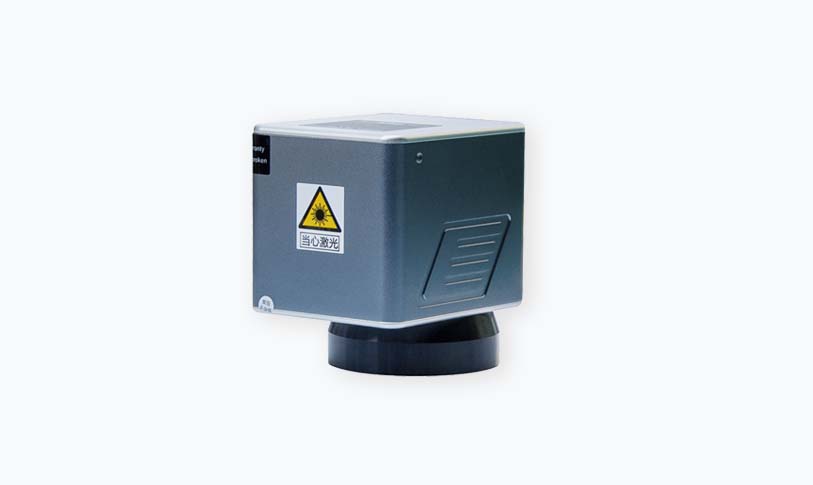
Exploring the Impact and Applications of Ultraviolet Lasers in Modern Technology and Scientific Research

Exploring the Impact and Applications of Ultraviolet Lasers in Modern Technology and Scientific Research
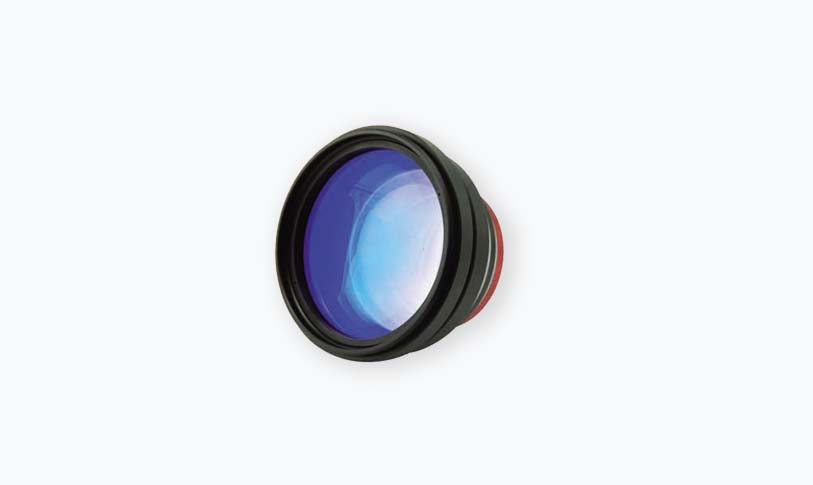
Exploring the Impact and Applications of Ultraviolet Lasers in Modern Technology and Scientific Research
In conclusion, ultraviolet lasers represent a powerful tool at the intersection of science and technology, facilitating breakthroughs across diverse sectors. Their precise energy output and ability to manipulate materials at a microscopic level carry far-reaching implications, providing a glimpse into an innovative future fueled by continued research and development. As ultraviolet laser technology evolves, it leaves an indelible mark on industries and scientific disciplines, promising to enhance the efficacy and capability of various applications while addressing the challenges confronted in an ever-changing world.