[pulsed and continuous laser]Understanding the Differences and Applications of Pulsed and Continuous Laser Technologies in Modern Industry
News 2025-1-15
****
Understanding the Differences and Applications of Pulsed and Continuous Laser Technologies in Modern Industry

Understanding the Differences and Applications of Pulsed and Continuous Laser Technologies in Modern Industry
To understand the distinction between pulsed and continuous lasers, it is essential to grasp the fundamental principle of laser operation. Lasers (Light Amplification by Stimulated Emission of Radiation) emit light through a process of optical amplification based on the stimulated emission of photons. The light produced is coherent, monochromatic, and directional, making it highly effective for various industrial applications.
Continuous Lasers
Continuous lasers, as the name suggests, emit a constant output of light. These lasers are characterized by a steady beam that can be maintained for long periods without interruption. Continuous wave (CW) lasers can be found in various forms, including gas lasers (like CO2 and He-Ne lasers), solid-state lasers, and semiconductor lasers.
Advantages of Continuous Lasers
1. **Consistent Output**: Continuous lasers provide a stable and consistent beam output, which is essential for applications requiring precision and reliability. 2. **Efficiency in Heat Generation**: Continuous lasers can produce a larger amount of heat over an extended time, making them ideal for applications like cutting and welding materials, where a uniform heat distribution is critical.
3. **Wide Application Range**: These lasers are extensively used in various industries, including manufacturing, medical surgery, and telecommunications. Their ability to perform cutting, engraving, and marking with precision has made them indispensable in many manufacturing settings.
Pulsed Lasers
In contrast, pulsed lasers emit light in short, intense bursts or pulses. The duration of these pulses can range from nanoseconds to femtoseconds, varying greatly depending on the design of the laser. This type of laser is commonly used in applications where high peak power is necessary, even if the average power is relatively low.
Advantages of Pulsed Lasers
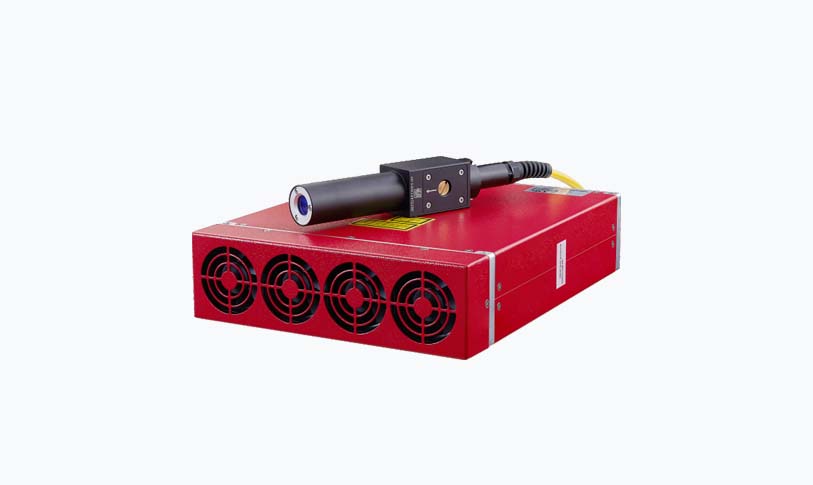
Understanding the Differences and Applications of Pulsed and Continuous Laser Technologies in Modern Industry
2. **Material Interaction**: The brief bursts of energy can lead to various interactions with different materials; for instance, the sudden temperature spikes can enable precise ablation of materials without causing thermal damage to the surrounding area.
3. **Versatility in Applications**: Pulsed lasers find applications in diverse fields, including semiconductor manufacturing, materials testing, laser lithography, and even in certain medical procedures like Lasik eye surgery.
Comparison of Applications
The choice between pulsed and continuous lasers often comes down to the specific application requirements. For instance, in the manufacturing industry, where slow and steady cuts are necessary, a continuous laser may be favored, providing stable energy for extensive cutting sessions. On the other hand, in medical applications, where precision is paramount and minimal thermal damage is desired, a pulsed laser is generally the better choice.
In the fields of telecommunications and data transmission, continuous lasers are preferred due to their stable and consistent output, as they facilitate the delivery of information over long distances without distortion.
Conclusion
Understanding the differences between pulsed and continuous lasers is crucial for effectively utilizing these technologies in various industrial applications. While continuous lasers excel in delivering stable output over long periods, pulsed lasers shine in situations requiring high peak power and precision. The choice between the two will ultimately depend on the specific requirements of the task at hand, making each laser type instrumentally valuable across multiple sectors. Whether in surgery, manufacturing, or research, both pulsed and continuous lasers continue to shape the future of technology and innovation.