[deep uv laser]Exploring the Game-Changing Applications and Innovations of Deep UV Lasers in Modern Technology
News 2025-1-15
****In the ever-evolving landscape of technology, deep UV lasers stand out as a revolutionary advancement with the potential to transform various industries. With their unique properties and capabilities, these lasers are not only paving the way for groundbreaking research but also of immense value in practical applications. This article delves into the fundamental principles behind deep UV lasers, their diverse applications, and the innovations they inspire in fields ranging from healthcare to manufacturing.
Understanding Deep UV Lasers
Deep ultraviolet (DUV) lasers are characterized by their capacity to emit light in the wavelength range of 200 to 300 nanometers. This range falls within the ultraviolet spectrum, which corresponds to shorter wavelengths than visible light. The shorter the wavelength, the higher the energy of the photons produced, which is a key factor in the exciting properties of deep UV lasers. These high-energy photons make DUV lasers particularly effective at interacting with a wide range of materials.
Applications in Semiconductor Manufacturing

Exploring the Game-Changing Applications and Innovations of Deep UV Lasers in Modern Technology
The ability of DUV lasers to create finer patterns than their longer-wavelength counterparts is essential in keeping pace with Moore's Law, which predicts that the number of transistors on a microchip doubles approximately every two years. By employing DUV lasers, manufacturers can continue to push the boundaries of electronics, producing smaller and more powerful devices that drive innovation in various sectors, such as computing, telecommunications, and consumer electronics.
Advancements in Healthcare
Beyond semiconductor manufacturing, deep UV lasers are making a significant impact in the healthcare sector. One of the most promising applications is in phototherapy and disinfection. The high-energy photons emitted by DUV lasers can effectively inactivate bacteria, viruses, and other pathogens, making them ideal for sterilizing medical instruments, laboratory environments, and even air and water purification systems.
Research has also shown that deep UV lasers can facilitate the treatment of certain skin conditions. The laser's ability to target specific wavelengths makes it an effective treatment for conditions such as psoriasis and acne, as it can penetrate the skin and encourage healing while minimizing damage to surrounding tissue. As the healthcare industry continues to search for more efficient and less invasive treatment options, deep UV laser technology could play a pivotal role in the future of dermatological therapy.
Innovations in Material Processing
Furthermore, deep UV lasers are proving indispensable in material processing and manufacturing. Their high-energy output allows for the precision cutting and etching of various materials, including metals, ceramics, and polymers. This precision is particularly crucial in industries such as aerospace and automotive, where the integrity of components is paramount.
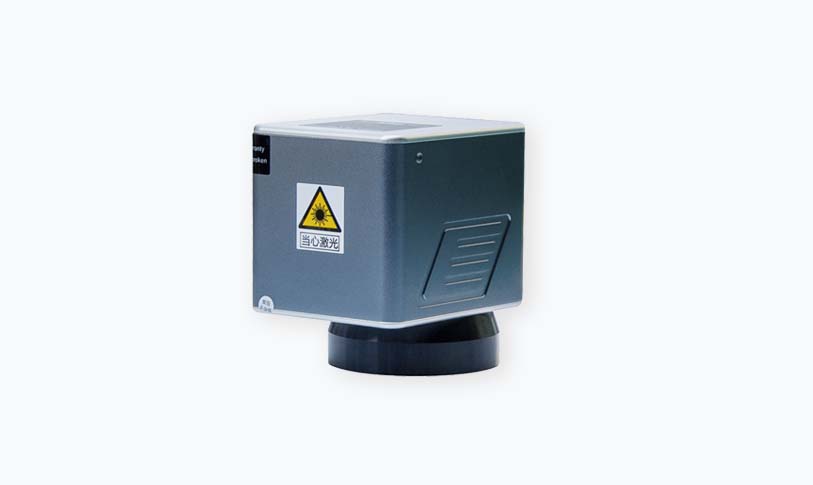
Exploring the Game-Changing Applications and Innovations of Deep UV Lasers in Modern Technology
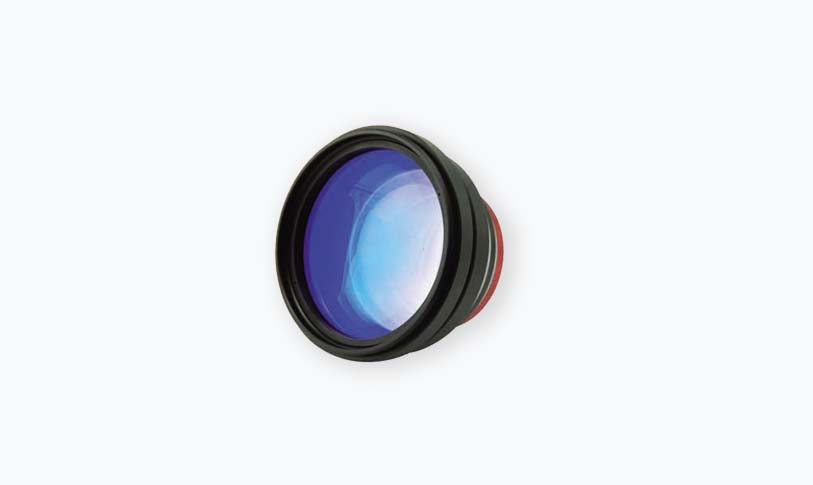
Exploring the Game-Changing Applications and Innovations of Deep UV Lasers in Modern Technology
Despite their countless benefits, the use of deep UV lasers does present challenges, particularly regarding environmental impact and safety. The high energy levels associated with DUV applications can lead to the production of ozone, a harmful pollutant. It is essential to implement safety measures and environmental controls to mitigate any adverse effects.
Moreover, the potential hazards associated with exposure to deep UV radiation necessitate rigorous safety protocols. Adequate protective gear and specialized safety training are crucial for anyone working with these laser systems to ensure a safe working environment.
Conclusion
In conclusion, deep UV lasers are at the forefront of innovation, marking a significant leap in technology across multiple sectors. Their ability to enhance semiconductor manufacturing processes, revolutionize healthcare treatments, and refine material processing techniques underscores the wide-ranging impact of this technology. As research and development continue, the potential applications for deep UV lasers are likely to expand, paving the way for further breakthroughs in science and industry alike. With a combination of advanced capabilities and ongoing innovations, deep UV laser technology stands as a testament to the power of modern scientific advancement.