[red laser vs green laser]A Comprehensive Comparison of Red Laser vs Green Laser: Which One is Ideal for Your Needs?
News 2025-1-14

A Comprehensive Comparison of Red Laser vs Green Laser: Which One is Ideal for Your Needs?
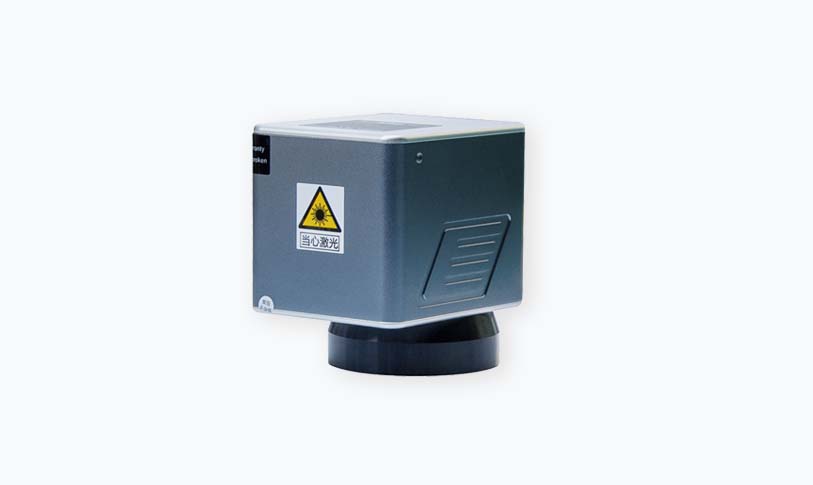
A Comprehensive Comparison of Red Laser vs Green Laser: Which One is Ideal for Your Needs?
Understanding the Basics: What is a Laser?
A laser (Light Amplification by Stimulated Emission of Radiation) generates a focused beam of light through a process of optical amplification. The wavelength of the laser determines its color, which in turn affects its visibility, power, and applications.
Key Differences: Red Laser vs Green Laser
1. **Wavelength and Color**: - **Red Laser**: Typically operates at a wavelength of around 650 nm. Red lasers are known for their longer wavelength, which makes them less visible compared to green lasers. - **Green Laser**: Usually sits around 520 nm on the visible spectrum. Due to the human eye’s sensitivity to green light, green lasers appear brighter and more intense, even at lower power levels.
2. **Visibility**: - A distinguishing factor between red and green lasers is visibility. Green lasers are approximately 10 times more visible to the human eye than red lasers. This makes them particularly effective for applications where visibility is crucial, such as presentations or outdoor uses.
3. **Power Consumption**: - **Red Lasers**: Generally require less power to operate effectively. This can lead to longer battery life in handheld devices. - **Green Lasers**: Often consume more power, resulting in shorter operational time. However, advancements in technology continue to reduce the power consumption associated with green lasers.
4. **Applications**: - **Red Lasers**: Commonly used in laser pointers, barcode scanners, and optical disc drives (such as DVD players). Their lower visibility makes them suitable for environments where bright light is not an issue. - **Green Lasers**: Often utilized in astronomy and outdoor activities, such as star-pointer devices. They’re also popular in construction for leveling and alignment tasks due to their visibility over long distances.
5. **Cost**: - Generally, red lasers tend to be more cost-effective than green lasers. The advanced technology behind green lasers and their higher manufacturing costs contribute to their price.

A Comprehensive Comparison of Red Laser vs Green Laser: Which One is Ideal for Your Needs?
The choice between red laser vs green laser can greatly influence effectiveness in various domains.
- **Education and Presentations**: Green lasers dominate in academic settings, where clear visibility is required to highlight information on presentation slides. They allow instructors to direct their audience’s attention with ease, even in well-lit environments.
- **Astronomy**: Amateur astronomers often prefer green lasers for pointing out stars or constellations. Their brightness allows users to easily show others precise locations in the night sky, making them an invaluable tool for stargazing.
- **Construction and Surveying**: In construction, both red and green lasers are used for leveling and alignment tasks. However, green lasers are often favored for outdoor work due to their superior visibility in bright daylight.
- **Hunting**: Red lasers are frequently used in hunting scenarios, especially for sighting rifles. The longer wavelength can be less distracting to animals than the bright green light.
Safety Considerations
Regardless of whether you choose a red laser or a green laser, safety measures should always be a priority. Both types can be harmful to the eyes if pointed directly at them, and precautions should be taken to avoid unintentional pointing at bystanders.
Conclusion
In summary, both red laser and green laser technologies have their unique advantages. Red lasers are better suited for budget-conscious applications or in scenarios where visibility is not a concern. Conversely, green lasers shine in applications requiring high visibility and precision. Understanding the specific needs of your application is key to making the right choice. By weighing the factors discussed in this article, you can determine which laser color aligns best with your requirements, ensuring you make an informed decision.