[laser scanning software]Transforming Industries with Cutting-Edge Laser Scanning Software: Revolutionizing Data Capture and Analysis in the Digital Age
News 2025-1-13
In today’s fast-paced technological landscape, the demand for precision, efficiency, and advanced visualization has prompted industries across the globe to adopt laser scanning software. This technology harnesses the power of 3D laser scanning, enabling businesses to capture physical spaces with exceptional accuracy and detail. As industries such as construction, architecture, manufacturing, and heritage preservation migrate towards digital workflows, the role of laser scanning software becomes increasingly vital.
At its core, laser scanning involves using laser beams to create detailed 3D representations of objects or environments. When coupled with sophisticated software, this process allows users to visualize, analyze, and manipulate the collected data with ease. The application of laser scanning software can significantly streamline operations, reduce costs, and enhance project outcomes.
One of the primary advantages of laser scanning software is its ability to capture complex geometries with precision. Traditional methods of data capture, such as manual measurements, are not only time-consuming but also prone to human error. In contrast, laser scanning technology provides an accurate depiction of as-built conditions in remarkably short time frames, capturing millions of data points in mere minutes. This rapid data collection results in detailed 3D models that can be utilized for a myriad of applications.
In the construction industry, laser scanning software is a game changer. It enables contractors and project managers to assess site conditions effectively, ensuring that projects remain within budget and on schedule. By incorporating laser scanning into their workflows, teams can generate comprehensive as-built records, facilitating better communication and collaboration across various stakeholders. The ability to visualize potential design clashes before construction begins minimizes costly rework and project delays, ultimately leading to an optimized construction process.
Furthermore, architects and designers leverage laser scanning software to create accurate 3D models that serve as the foundation for their designs. By integrating real-world conditions into their planning phases, they can produce more viable and reliable architectural solutions. The software’s capability to visualize changes and simulate various environments allows for greater creativity while ensuring that the final design meets all specifications and requirements.
In the realm of heritage preservation, laser scanning software plays a crucial role in documenting and conserving historical sites and artifacts. By capturing the intricate details of these culturally significant structures, preservationists can create digital records that serve as a resource for future generations. These 3D models can be used for restoration efforts, virtual tours, or educational programs, allowing the public to engage with and learn about history in innovative and accessible ways.
Additionally, industries such as manufacturing benefit immensely from laser scanning software. Quality control processes are transformed as businesses can quickly create dimensional reports of their products or components. These reports highlight deviations from tolerances, ensuring that manufacturers maintain high standards of quality and reliability. The ability to capture and analyze data swiftly improves overall productivity, enabling companies to respond faster to market demands.

Transforming Industries with Cutting-Edge Laser Scanning Software: Revolutionizing Data Capture and Analysis in the Digital Age
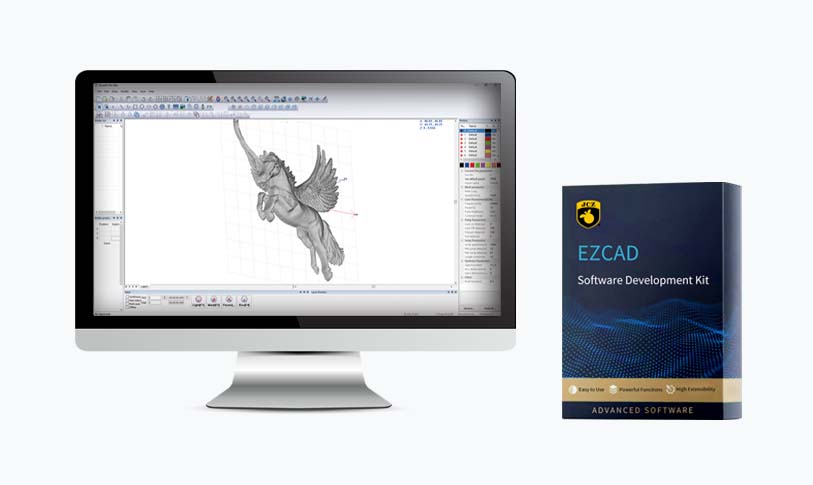
Transforming Industries with Cutting-Edge Laser Scanning Software: Revolutionizing Data Capture and Analysis in the Digital Age

Transforming Industries with Cutting-Edge Laser Scanning Software: Revolutionizing Data Capture and Analysis in the Digital Age
In conclusion, laser scanning software is revolutionizing industries by transforming how data is captured, analyzed, and utilized. Its ability to provide accurate, detailed 3D representations of environments and objects has made it an indispensable tool across various fields, from construction and architecture to heritage preservation and manufacturing. As organizations continue to embrace digital transformation, the integration of laser scanning software will undeniably play a pivotal role in enhancing operational efficiency, driving innovation, and fostering collaboration in the digital age.