[galvo laser system]Exploring the Advantages and Applications of Galvo Laser Systems in Modern Manufacturing and Precision Engineering
News 2025-1-10
In recent years, the industrial landscape has witnessed remarkable advancements in technology, driven predominantly by the demand for increased efficiency and precision. Among these innovations, the galvo laser system has emerged as a game-changer in various fields, including manufacturing, engraving, and material processing. This sophisticated technology utilizes galvanometer-driven mirrors to direct laser beams with unparalleled accuracy and speed, revolutionizing how industries approach laser-based applications. In this article, we will explore the advantages, applications, and future potential of galvo laser systems in modern manufacturing and precision engineering.
Understanding Galvo Laser Systems
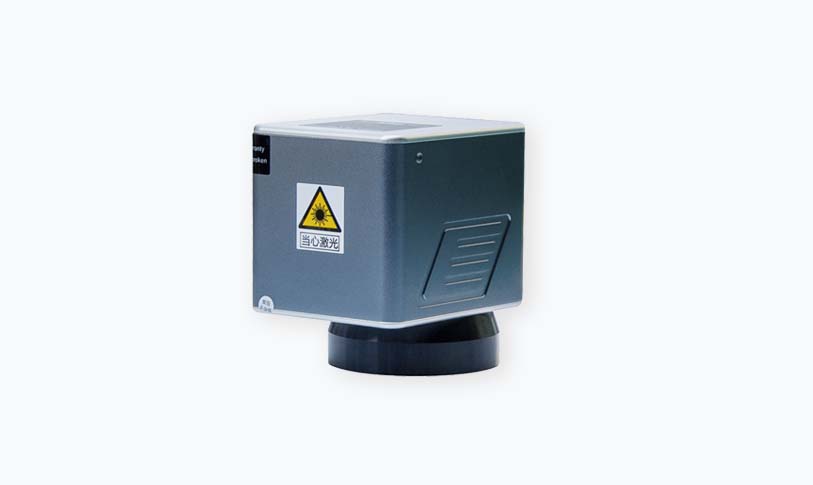
At the core of a galvo laser system is its unique mechanism of operation. Unlike traditional laser systems that rely on moving the laser source or the workpiece, a galvo laser uses a pair of galvanometer mirrors to steer the laser beam across the processing surface. These mirrors can move rapidly and with high precision, allowing the system to achieve intricate designs and patterns with remarkable speed.
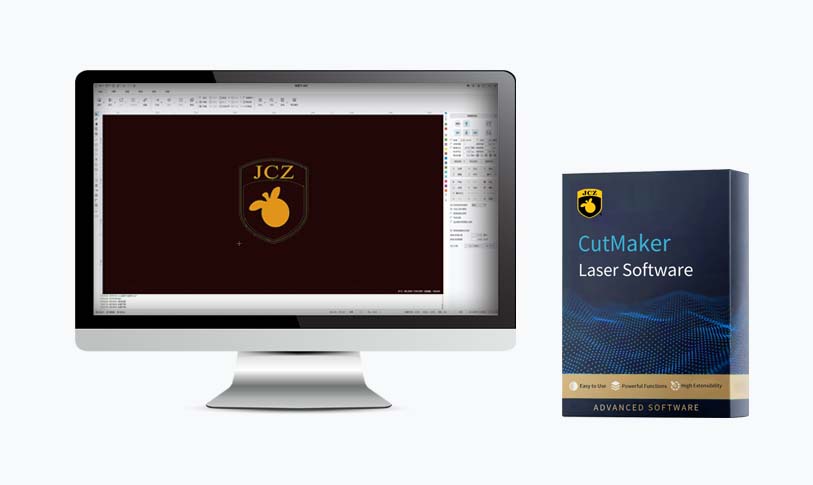
The typical components of a galvo laser system include a high-powered laser source (such as fiber, CO2, or solid-state lasers), galvanometer mirrors, and a control system that dictates the movement and operation of the laser. The integration of advanced software further enhances the capability of galvo laser systems, enabling operators to create complex designs easily and efficiently.
Key Advantages of Galvo Laser Systems
1. **Speed and Efficiency**: One of the most significant advantages of galvo laser systems is their ability to process materials rapidly. The mirror system allows for continuous movement of the laser beam, significantly reducing the time required for engraving or cutting operations. As a result, manufacturers can increase productivity and throughput.
2. **Precision and Accuracy**: The use of galvanometer mirrors enables the laser beam to be directed with extreme precision. This capability is particularly beneficial in applications requiring intricate detailing or high tolerances. The precision of galvo systems minimizes material wastage and maximizes the quality of the final product.
3. **Versatility**: Galvo laser systems can be employed in a wide range of applications across various industries. From engraving logos on products to cutting complex shapes in materials like acrylic, metal, wood, and glass, the versatility of these systems makes them invaluable in modern production environments.
4. **Reduced Setup and Downtime**: With galvo laser systems, changing configurations or switching between different processes can often be done quickly, minimizing downtime. This flexibility is crucial in industries where rapid response to market demands is essential.
Exploring the Advantages and Applications of Galvo Laser Systems in Modern Manufacturing and Precision Engineering
Applications of Galvo Laser Systems
Galvo laser systems find applications in numerous sectors, each benefiting from the technology's unique attributes. Some notable applications include:
- **Laser Marking and Engraving**: Often used for marking parts with serial numbers, logos, and barcodes, galvo laser systems provide clear, precise markings that are crucial for identification and traceability.
- **Cutting and Profiling**: In industries such as aviation and automotive, where precision is paramount, galvo lasers can cut materials like aluminum and titanium with intricate profiles that meet exact specifications.
- **Medical Device Manufacturing**: These systems are instrumental in creating components that require stringent quality and precision standards, such as surgical tools and implants.
Exploring the Advantages and Applications of Galvo Laser Systems in Modern Manufacturing and Precision Engineering
The Future of Galvo Laser Technology
As industries continue to evolve and embrace automation and digitalization, the role of galvo laser systems is likely to expand. Innovations in laser technology, software integration, and intelligent manufacturing will enhance the capabilities of galvo systems, leading to even greater efficiencies and applications.
Looking ahead, we can expect to see advancements in hybrid systems that combine galvo technology with traditional laser methods for even more versatility. Emerging materials and manufacturing techniques, including additive manufacturing, may also integrate galvo systems, offering exciting possibilities for innovation.
Conclusion
