[laser cutting controller]Understanding the Role and Functionality of Laser Cutting Controllers in Modern Manufacturing: A Comprehensive Guide
News 2025-1-8
In the realm of modern manufacturing, precision and efficiency are paramount. One of the technological advancements that have greatly influenced these aspects is the laser cutting controller. These controllers serve as the brain of laser cutting machines, playing a significant role in ensuring accurate cuts, pattern recognition, and the overall performance of laser systems. This article aims to explore the functionality, significance, and impact of laser cutting controllers in contemporary manufacturing processes.
What is a Laser Cutting Controller?
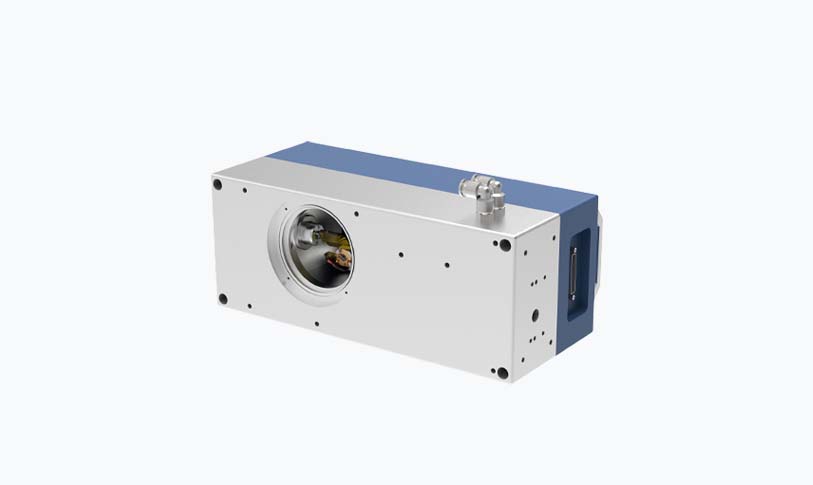
A laser cutting controller is a sophisticated device that manages the operation of laser cutting machines. It interprets design files, usually generated via computer-aided design (CAD) software, and translates them into actionable commands for the laser cutting equipment. The controller controls various parameters, including laser power, speed, and the movement of the cutting head. This entails inputting vectors and geometric shapes from a digital design and converting them into precise movements of the laser; a process that requires high precision to ensure quality results.
Key Functions of Laser Cutting Controllers
Understanding the Role and Functionality of Laser Cutting Controllers in Modern Manufacturing: A Comprehensive Guide
2. **Parameter Control**: Laser cutting involves manipulating several parameters, including speed, power, and frequency. The controller allows operators to customize these settings based on material type (such as wood, metal, or acrylic) and the desired cutting effect. For instance, thicker materials may require higher power and slower speeds to ensure a clean cut.
3. **Real-Time Monitoring**: Many modern laser cutting controllers feature real-time monitoring capabilities that track the cutting process. This includes assessing the laser's power output, the speed of movement, and the temperature of the materials being cut. Such features are crucial in minimizing errors during operation and maintaining high-quality results.
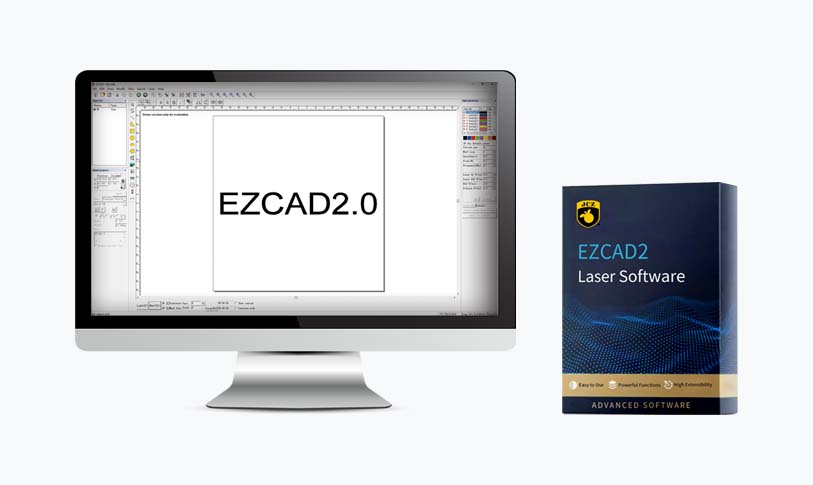
4. **Communication Interface**: Laser cutting controllers often come with user-friendly interfaces that facilitate communication between the operator and the machine. These interfaces may include touchscreens or software applications that simplify the job of setting parameters and monitoring progress.
5. **Safety Features**: Safety is a critical concern in laser cutting operations. Laser cutting controllers incorporate various safety protocols, including automatic shutoff in case of system errors or abnormal conditions. These features are essential to protect both the operator and the machinery from potential hazards.
The Impact of Laser Cutting Controllers on Manufacturing
The integration of laser cutting controllers has transformed the manufacturing landscape. Here are some ways they have made an impact:
- **Increased Production Speed**: With the precision and efficiency of laser cutting controllers, manufacturers can produce high volumes of products in a shorter time frame. The automation of the cutting process reduces manual intervention, speeding up the overall production cycle. - **Enhanced Precision and Quality**: The ability to finely tune laser parameters allows for incredibly precise cuts, which is vital in industries that require high tolerance levels. This precision not only improves the quality of the final product but also reduces material waste, contributing to cost savings.
- **Versatility Across Materials**: Laser cutting controllers can handle a wide array of materials, making them ideal for diverse applications, from intricate designs in the fashion industry to durable components in aerospace manufacturing.
Understanding the Role and Functionality of Laser Cutting Controllers in Modern Manufacturing: A Comprehensive Guide
Conclusion
