[picosecond fiber laser]Exploring the Advantages and Applications of Picosecond Fiber Lasers in Precision Material Processing and Advanced Manufacturing
News 2025-1-8
Introduction

Exploring the Advantages and Applications of Picosecond Fiber Lasers in Precision Material Processing and Advanced Manufacturing
Understanding Picosecond Fiber Lasers
Picosecond fiber lasers operate on the principles of fiber laser technology but utilize extremely short pulses to achieve high peak powers. Unlike traditional continuous wave lasers, picosecond lasers deliver energy in brief, concentrated bursts, enabling intricate processing capabilities. The short pulse duration minimizes thermal impact on the material, effectively reducing the risk of thermal damage and distortion, which is common in longer-pulse laser processes.
The construction of fiber lasers involves a core optical fiber doped with rare earth elements, usually ytterbium, which enhances their efficiency and stability. This design allows for a compact, lightweight apparatus that can be easily integrated into various manufacturing setups.
Advantages of Picosecond Fiber Lasers
1. **Precision and Accuracy**: With extraordinary pulse durations, picosecond fiber lasers achieve high precision, making them ideal for applications that require intricate detail. This includes micro-manufacturing, medical device fabrication, and the engraving of complex designs on materials like metals, plastics, and glass.
2. **Minimal Heat Affected Zone (HAZ)**: One of the most significant advantages of picosecond fiber lasers is their ability to minimize the heat affected zone. By delivering energy in short bursts, the energy absorbed by the material is confined to an extremely small area. This characteristic is crucial in preserving material integrity, especially for delicate components, thus enhancing overall product quality.
3. **Versatility**: Picosecond fiber lasers are versatile and can be employed in various applications, including cutting, marking, ablation, and surface structuring. This adaptability makes them essential tools in industries such as electronics, automotive, aerospace, and medical technology.
4. **High Efficiency and Low Operating Costs**: These lasers typically have higher wall-plug efficiencies than their continuous wave counterparts. Their energy-efficient design reduces operational costs, making them economically favorable for both small-scale and large-scale manufacturing processes.
Applications of Picosecond Fiber Lasers
1. **Microfabrication**: The microelectronics industry relies heavily on picosecond fiber lasers for the fabrication of semiconductor devices and microchips. The precision of these lasers allows for the creation of intricate patterns and features that are essential in modern electronic components.
2. **Medical Device Manufacturing**: In the medical field, picosecond fiber lasers are used for the production of small, precise parts for instruments and devices. Their ability to work with a variety of materials and maintain a low HAZ is crucial for maintaining the integrity and functionality of medical devices.
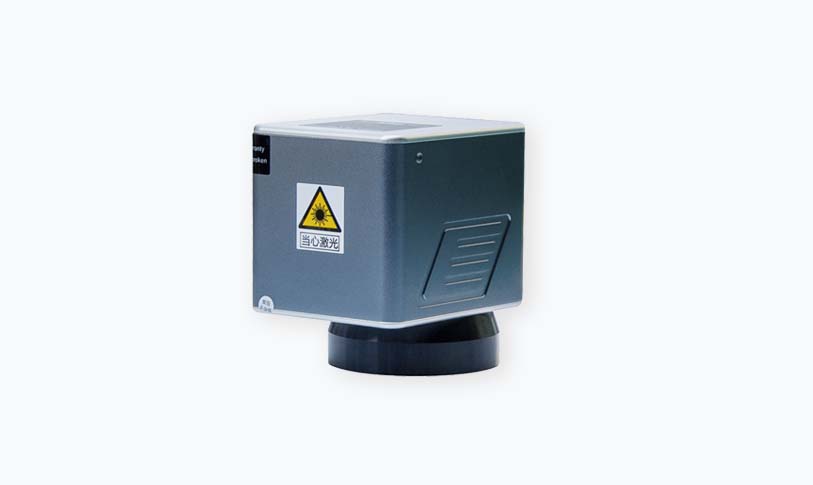
Exploring the Advantages and Applications of Picosecond Fiber Lasers in Precision Material Processing and Advanced Manufacturing
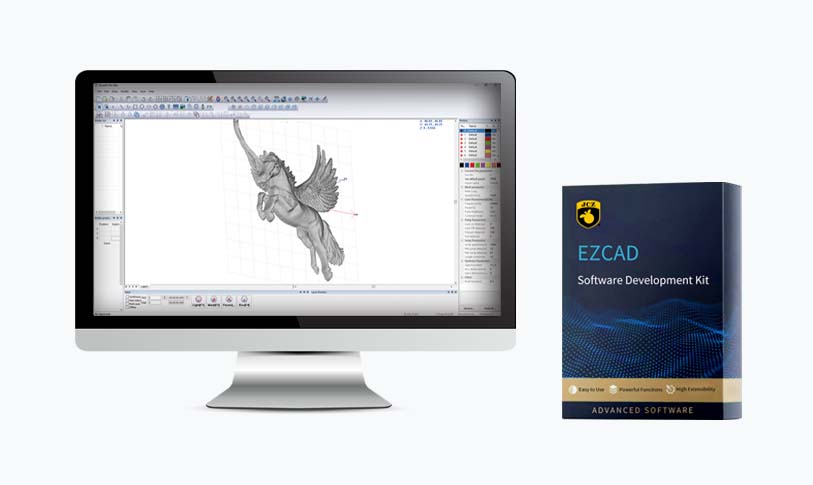
Exploring the Advantages and Applications of Picosecond Fiber Lasers in Precision Material Processing and Advanced Manufacturing
5. **Research and Development**: In scientific research, picosecond fiber lasers are utilized for their unique ability to ablate materials at the microscopic level, enabling advanced studies in photonics, materials science, and nanotechnology.
Conclusion
Picosecond fiber lasers represent a significant advancement in laser technology, providing a level of precision and control previously unattainable. Their unique advantages, including minimal thermal distortion, versatility across manufacturing processes, and lower operational costs, make them indispensable tools in various high-tech industries. As technological demands continue to evolve, picosecond fiber lasers are poised to play an even larger role in shaping the future of precision machining and advanced manufacturing. Their capacity to push the boundaries of material processing underlines their essential status in modern engineering and manufacturing landscapes.