[q switched nanosecond laser]The Revolutionary Potential of Q Switched Nanosecond Laser Technology in Medical and Industrial Applications: A Comprehensive Overview
News 2025-1-3
In recent years, the adoption of advanced laser technologies has rapidly progressed across various sectors, particularly in medical and industrial applications. One of the most noteworthy innovations in this field is the q switched nanosecond laser. Renowned for its high peak power and precision, this laser technology has transformed treatment protocols and manufacturing processes alike. This article delves into the mechanisms of q switched nanosecond lasers, their applications, benefits, and the future landscape of laser technology.
Understanding Q Switched Nanosecond Lasers
A q switched nanosecond laser operates on the principle of storing energy in a laser medium and then releasing it in a series of high-energy pulses, each lasting only a few nanoseconds. The term "q switching" pertains to a technique in which the quality (q) factor of the laser resonator is manipulated in order to build up energy before its sudden release. This results in the generation of very short and powerful light pulses. Such attributes make q switched nanosecond lasers remarkably effective for procedures requiring precision and speed.
Applications in Medicine
In the medical field, q switched nanosecond lasers are particularly celebrated for their role in dermatology and cosmetic surgery. They are commonly used for the removal of tattoos, pigmented lesions, and even the treatment of conditions such as acne scars and melasma. The ability to emit a strong pulse of light in such a short duration allows for the targeted fragmentation of tattoo ink particles or pigmentation while minimizing damage to the surrounding skin.
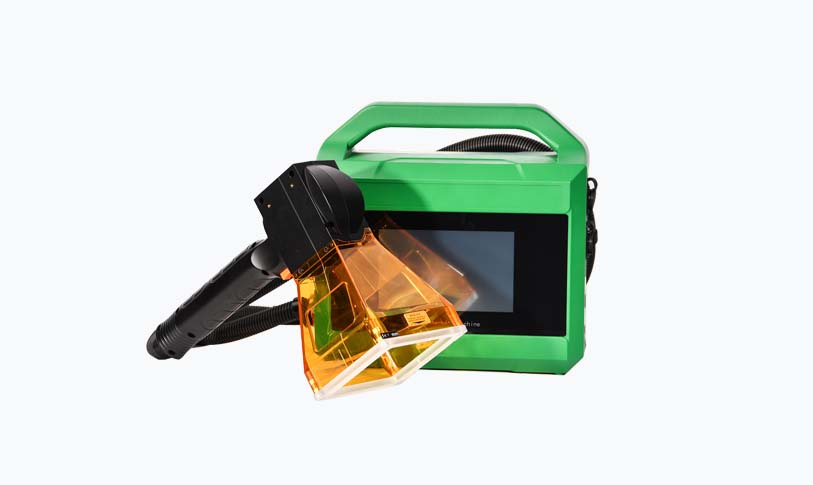
The Revolutionary Potential of Q Switched Nanosecond Laser Technology in Medical and Industrial Applications: A Comprehensive Overview
Industrial Applications

The Revolutionary Potential of Q Switched Nanosecond Laser Technology in Medical and Industrial Applications: A Comprehensive Overview
For example, in the automotive sector, q switched lasers are used for part identification, serial number engraving, and surface treatment. The precision of the laser permits intricate designs that can enhance both the aesthetic appeal and functionality of automotive components.
The ability to cut materials with such precision also leads to considerable reductions in waste, thereby enhancing operational efficiencies. Industries engaged in manufacturing are increasingly recognizing the long-term savings associated with investing in q switched nanosecond laser technology.
Benefits of Q Switched Nanosecond Lasers
The advantages of q switched nanosecond lasers extend beyond their precision and efficiency. First and foremost, the shorter pulse duration leads to minimized heat diffusion, which means less thermal alteration to the surrounding tissues in medical settings. This results in expedited healing times and decreased risk of complications, making these lasers a preferred choice for healthcare professionals.
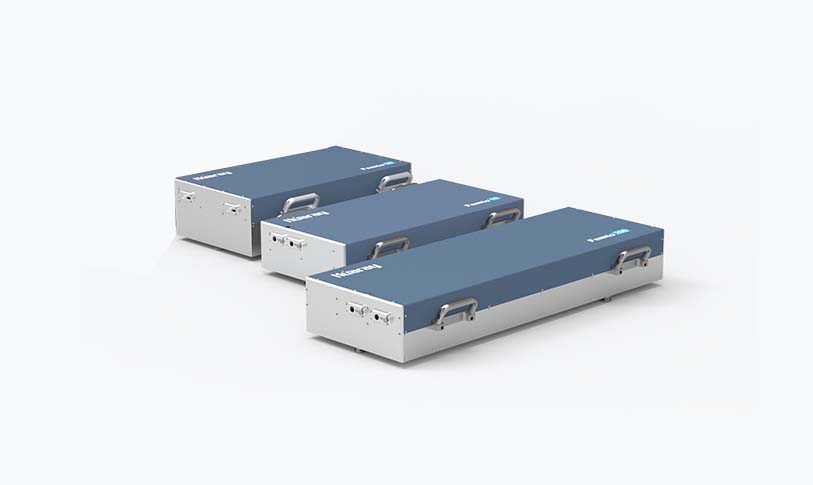
The Revolutionary Potential of Q Switched Nanosecond Laser Technology in Medical and Industrial Applications: A Comprehensive Overview
Furthermore, advancements in q switched laser technology continue to emerge, with ongoing research aimed at enhancing peak power, energy efficiency, and operational features. This evolution suggests a promising future for the integration of such lasers in more specialized applications, including nano-manufacturing and micro-surgery.
The Future of Q Switched Nanosecond Laser Technology
As we look forward, the future of q switched nanosecond lasers appears vibrant. With concerted efforts aimed at research and development, we can anticipate increased functionalities, improved energy efficiency, and expanded applications in both medical and industrial fields. The potential for further breakthroughs in areas such as regenerative medicine and nanotechnology enhances the allure of q switched lasers as a cornerstone in technology-driven solutions.
In conclusion, the q switched nanosecond laser is a game-changing innovation with far-reaching implications across a myriad of fields. Its high precision, efficiency, and adaptability make it a vital tool in modern medicine and industry, edging closer to an era where laser technology will redefine standards of excellence in both practices. As the landscape of laser applications continues to evolve, the q switched nanosecond laser stands out as a beacon of innovation, promising enhanced outcomes and performance in our everyday lives.