[galvanometer laser engraver]Understanding the Galvanometer Laser Engraver: A Comprehensive Guide to Its Functionality, Applications, and Benefits
News 2025-1-2
In recent years, the world of laser engraving has witnessed significant advancements, particularly with the introduction of the galvanometer laser engraver. This innovative technology has revolutionized the way precision and speed are integrated into engraving processes, making it a favored choice in various industries. In this article, we will delve deeply into the mechanics, applications, and advantages of the galvanometer laser engraver, providing a thorough understanding of why it has become a pivotal tool for both professionals and hobbyists alike.
What is a Galvanometer Laser Engraver?
A galvanometer laser engraver utilizes a galvanometer mechanism—a device that can detect and measure electric current. In the context of laser engraving, it translates electrical signals into precise movements of mirrors, directing a laser beam onto a material's surface in a highly accurate manner. Unlike traditional laser engraving methods that rely on moving the workpiece or the laser, a galvanometer system consists of dual mirrors that pivot to control the beam's position, allowing for rapid changes in the engraving path.
How Does It Work?
The operation of a galvanometer laser engraver is both efficient and sophisticated. The system typically involves the following components:
1. **Laser Source**: This is the heart of the engraver, generating a high-intensity beam of light. Common types of lasers used include CO2 lasers and fiber lasers, each suitable for different materials and applications.
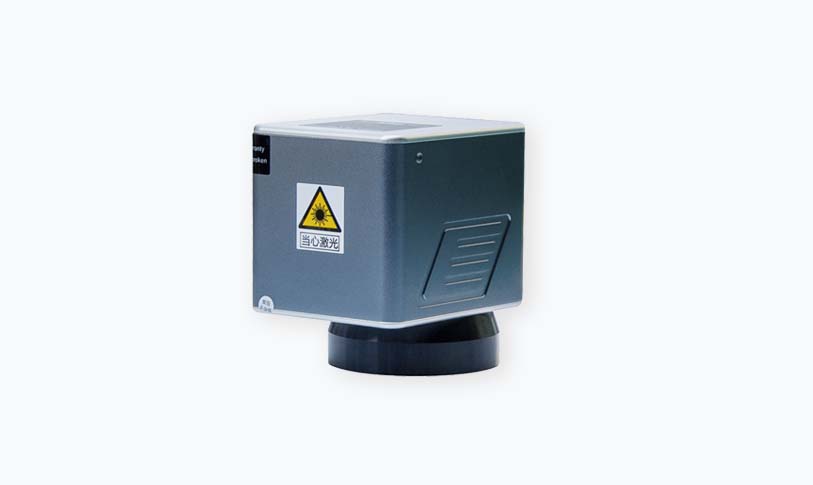
2. **Galvanometer Scanners**: These scanners consist of two mirrors mounted on galvanometer motors. The motors precisely position the mirrors, directing the laser beam wherever needed.
3. **Focusing Lens**: After the laser beam passes through the mirrors, it is directed through a focusing lens that concentrates the energy on a tiny spot, ensuring high engraving precision.
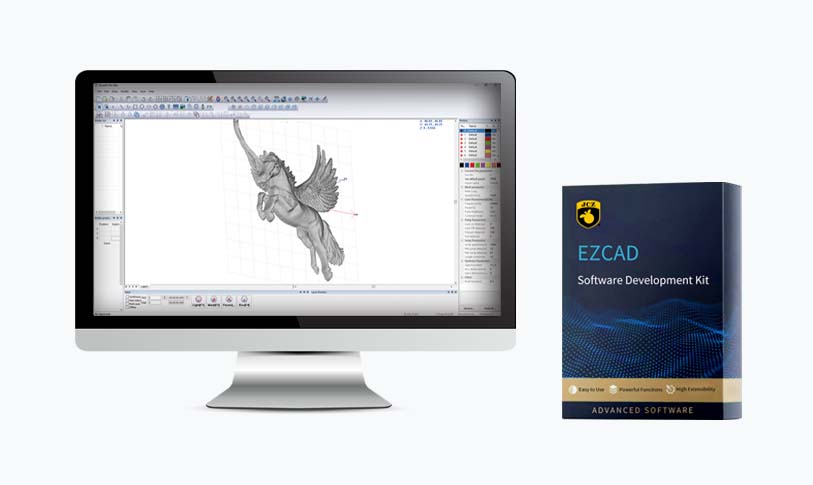
4. **Control Software**: Modern galvanometer systems are equipped with sophisticated software that allows for intricate designs and patterns to be programmed with ease. The software translates digital designs into commands for the laser engraver, guiding the mirrors to execute the engraving.
5. **Work Surface**: Finally, the material being engraved sits on the work surface, which is typically stationary during the engraving process.
Applications of Galvanometer Laser Engravers
The diverse capabilities of galvanometer laser engravers make them versatile for various applications:
- **Industrial Manufacturing**: In industries such as automotive and aerospace, galvanometer laser engravers are vital for marking serial numbers, barcodes, and logos on components. Their precision ensures that important information remains legible, even after surfaces are treated or coated.
- **Jewelry Making**: Jewelers use galvanometer laser engravers to create intricate designs on metals and stones. The finely-tuned precision allows for delicate engraving that would be challenging to achieve through other methods.
- **Medical Devices**: In the medical field, precision is paramount. Galvanometer laser engravers are employed to mark surgical instruments and implants with necessary regulatory information.
- **Awards and Personalized Items**: Whether it’s for trophies, plaques, or custom gifts, these engravers are perfect for creating high-quality, personalized items that stand out.
Benefits of Using a Galvanometer Laser Engraver

Understanding the Galvanometer Laser Engraver: A Comprehensive Guide to Its Functionality, Applications, and Benefits
Understanding the Galvanometer Laser Engraver: A Comprehensive Guide to Its Functionality, Applications, and Benefits
3. **Minimal Material Distortion**: Traditional engraving methods can distort materials due to pressure or heat. The laser engraving process is non-contact, minimizing distortion and preserving the material's integrity.
4. **Flexible Materials**: Galvanometer laser engravers can work on a vast array of materials, including wood, glass, plastics, leather, and metals. This flexibility broadens the possibilities for creative applications.
Understanding the Galvanometer Laser Engraver: A Comprehensive Guide to Its Functionality, Applications, and Benefits
Conclusion
In conclusion, the galvanometer laser engraver represents a significant leap forward in engraving technology. Its combination of speed, precision, and versatility makes it an essential tool across various industries. Whether you’re looking to create intricate jewelry or rely on precision in industrial manufacturing, understanding the mechanics and benefits of galvanometer laser engravers sets the foundation for leveraging their capabilities. As technological advancements continue to unfold, we can anticipate even more innovative applications and improvements in the field of laser engraving.