[co2 laser controller]Understanding CO2 Laser Controllers: How They Revolutionize Precision Cutting and Engraving in Various Industries
News 2025-1-1

Understanding CO2 Laser Controllers: How They Revolutionize Precision Cutting and Engraving in Various Industries
CO2 laser controllers are essential components in modern laser cutting and engraving systems, playing a pivotal role in enhancing the accuracy, efficiency, and versatility of these machines across various industries. As technology advances, the importance of high-quality controllers has become increasingly evident. These controllers not only manage the laser’s operation but also significantly impact the overall productivity of laser systems. This article explores the functionality, advantages, and applications of CO2 laser controllers, illustrating their importance in today’s manufacturing and creative landscape.
At the core of a CO2 laser cutting or engraving system is the CO2 laser itself, which produces a high-powered beam of light that can cut through or engrave various materials with precision. However, without an effective controller, the potential of this technology remains untapped. A CO2 laser controller serves as the brain of the operation, translating design files into commands that guide the movement of the laser beam. It manages parameters such as speed, power, frequency, and dwell time, all of which are crucial for achieving different cutting and engraving outcomes.
One of the primary benefits of CO2 laser controllers is their ability to increase precision in manufacturing processes. With capabilities to execute intricate designs, these controllers enable the production of high-quality products such as signage, decorative art, and customized components. Industries ranging from automotive to architecture leverage the precision of CO2 lasers to create complex patterns and detailed cuts that would be nearly impossible with traditional tools.
Understanding CO2 Laser Controllers: How They Revolutionize Precision Cutting and Engraving in Various Industries

Understanding CO2 Laser Controllers: How They Revolutionize Precision Cutting and Engraving in Various Industries
Another significant advantage of CO2 laser controllers is their efficiency and speed. Traditional machining methods can be time-consuming and labor-intensive. However, with advanced CO2 laser technology, large batches of materials can be cut or engraved within a short time. This efficiency translates to lower production costs and higher throughput, enabling businesses to meet increasing consumer demands while maintaining quality.
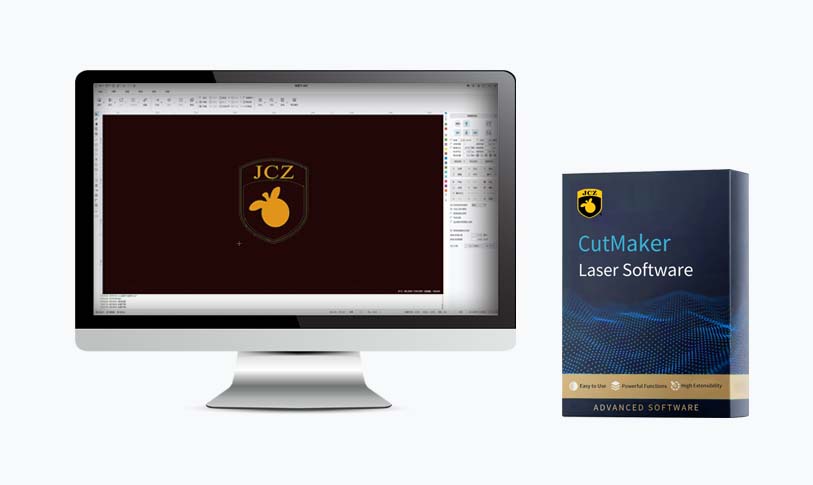
Furthermore, many modern CO2 laser controllers come equipped with user-friendly interfaces and software programs that simplify the design and operational processes. Some offer compatibility with popular design software, allowing designers and operators to send designs directly to the laser cutter without needing extensive programming knowledge. This ease of use can significantly lessen the learning curve for new operators and reduce the likelihood of errors during operations.
In terms of ongoing development, the future of CO2 laser controllers looks promising. As the industry continues to evolve, manufacturers are focusing on enhancing the capabilities of these controllers. Innovations like cloud-based control systems, improved connectivity options, and integration with artificial intelligence for predictive maintenance are becoming more commonplace. These advancements not only promise to streamline operations further but also contribute to improved safety measures, as many of these systems can monitor performance and alert operators to potential issues before they escalate.
Moreover, the role of CO2 laser controllers in sustainable practices cannot be overlooked. By enabling more efficient material usage and reducing waste, laser cutting and engraving can contribute to environmentally friendly manufacturing processes. This aligns with the growing demand for sustainable practices in both industry and consumer behavior.
Finally, it is essential for companies investing in CO2 laser technology to choose the right controller that meets their specific needs. Factors to consider include the complexity of design, materials to be processed, machine compatibility, and the level of desired automation. Educating oneself on the various options available can lead to enhanced operational capabilities and optimal results in laser applications.
In conclusion, CO2 laser controllers are vital for harnessing the full potential of laser cutting and engraving technologies. Their ability to provide precision, efficiency, and versatility makes them indispensable in various industries, driving innovation and catering to the demands of a rapidly evolving market. As technology continues to advance, CO2 laser controllers will undoubtedly play an even greater role in shaping the future of manufacturing and design.