[40w fiber laser]Exploring the Advancements and Applications of 40W Fiber Laser Technology in Modern Manufacturing and Industrial Processes
News 2024-12-31
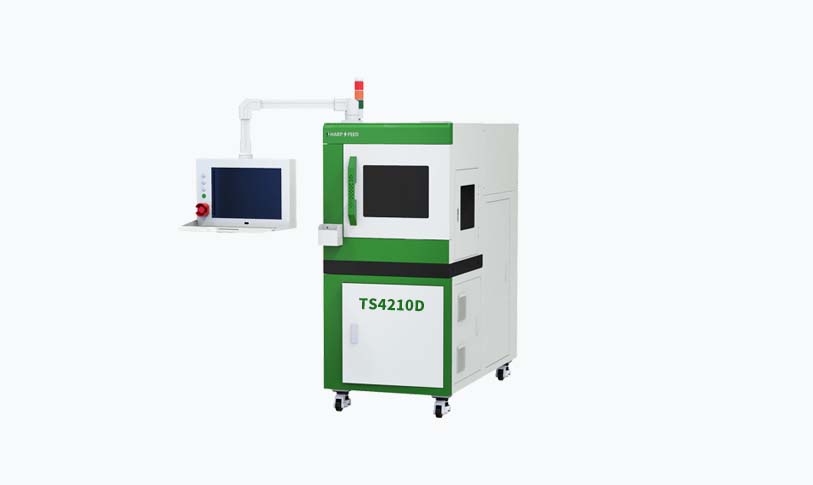
****In the rapidly evolving world of technology, fiber lasers have emerged as one of the most significant advancements in laser technology, especially in industrial applications. Among the various types of fiber lasers available, the 40W fiber laser stands out for its versatility and high efficiency, making it an essential tool in several manufacturing processes. This article will explore the workings, advantages, and diverse applications of the 40W fiber laser, showcasing its impact on modern industry.
Exploring the Advancements and Applications of 40W Fiber Laser Technology in Modern Manufacturing and Industrial Processes

Exploring the Advancements and Applications of 40W Fiber Laser Technology in Modern Manufacturing and Industrial Processes
How Does a Fiber Laser Work?
The underlying principle of a fiber laser is the process of stimulated emission of radiation. Once the optical fiber is pumped with energy, typically from a diode, the rare-earth dopants within the fiber are excited to a higher energy state. As these atoms return to their ground state, they emit photons, which then bounce along the length of the fiber. This process amplifies the light, resulting in a coherent and focused laser beam that exhibits high beam quality.
Exploring the Advancements and Applications of 40W Fiber Laser Technology in Modern Manufacturing and Industrial Processes
The 40W fiber laser offers several advantages over other types of lasers:
1. **High Efficiency**: Fiber lasers convert electrical energy into laser light with a high efficiency level, often above 30%. This means lower energy bills and less waste heat.
2. **Low Maintenance**: The solid-state construction of fiber lasers means they require less maintenance compared to gas lasers, which need regular replacement of components.
3. **Compact Size**: These lasers can be designed to fit into smaller spaces, which is advantageous for businesses looking to optimize their production floors.
4. **Versatility**: A 40W fiber laser is capable of handling a wide range of materials, including metals, plastics, and ceramics, making it suitable for various applications.
5. **Precision**: The focused beam of a fiber laser allows for intricate cutting and engraving, achieving high-quality finishes on worked materials.
Applications of 40W Fiber Lasers
The versatility of the 40W fiber laser permits its use in numerous industries:
- **Metalworking**: In the metal fabrication industry, 40W fiber lasers are used for cutting and engraving various metal types, including steel, aluminum, and brass. Their precision allows for detailed work, making them ideal for creating intricate designs and parts.
- **Medical Devices**: The medical sector benefits from fiber lasers in the manufacturing of surgical instruments and devices. The precision and cleanliness of the cuts are crucial in this field, making fiber lasers the preferred choice.
- **Electronics**: The electronics industry uses 40W fiber lasers for tasks such as drilling PCBs or marking electronic components. The laser’s subtlety in operating on delicate materials ensures that components are not damaged during production.
- **Signage and Customization**: Engraving signs or personalized items has become increasingly popular, with the 40W fiber laser providing the ability to engrave detailed designs onto various surfaces.
- **Textiles**: In textile manufacturing, fiber lasers can cut and engrave fabrics with speed and accuracy, enhancing the production process in clothing and home decor items.
Conclusion
The remarkable capabilities of the 40W fiber laser continue to redefine the landscape of modern manufacturing. Its unique combination of efficiency, versatility, and precision makes it an invaluable asset across various sectors. As industries become more reliant on advanced technologies to improve productivity and quality, fiber lasers, particularly at the 40W level, are likely to play a central role in shaping the future of manufacturing and production processes. As research and development continue, we can expect even more innovations in laser technology that will further amplify their applications and efficacy within the industrial world.