[co2 laser wavelength]Understanding CO2 Laser Wavelength: The Science, Applications, and Benefits in Modern Technology and Industry
News 2024-12-30
The CO2 laser, one of the most widely used lasers across various fields, is renowned for its unique wavelength characteristics. Operating primarily at a wavelength of 10.6 micrometers, the CO2 laser falls within the infrared range of the electromagnetic spectrum. This particular wavelength is crucial for a variety of applications, including cutting, engraving, medical procedures, and industrial processes. In this article, we will explore the significance of CO2 laser wavelength, its scientific principles, practical applications, and the advantages it presents in modern technology and industry.
Scientific Principles of CO2 Lasers
The CO2 laser operates on the principle of stimulated emission of radiation, where an electrically stimulated gas mixture (principally composed of carbon dioxide, nitrogen, and helium) produces coherent, monochromatic light. The energy is pumped into the gas mixture, causing the CO2 molecules to become excited. As these molecules return to their ground state, they emit photons at specific wavelengths. The most common wavelength associated with CO2 lasers is 10.6 micrometers, a value that is often left out of everyday discussions but is vital for understanding the laser's functionality.

Understanding CO2 Laser Wavelength: The Science, Applications, and Benefits in Modern Technology and Industry
Applications of CO2 Laser Wavelength
1. Medical Field
In the medical field, CO2 lasers are widely used for surgical procedures, particularly in dermatology, dentistry, and ophthalmology. The specific wavelength allows for precise cutting and coagulation of tissues, leading to less bleeding and quicker recovery times for patients. CO2 lasers are effective in dermatology for procedures like skin resurfacing and the removal of warts or other lesions. The laser's ability to precisely target tissue minimizes damage to surrounding areas, resulting in improved outcomes.
2. Industrial Cutting and Engraving
Another significant application of CO2 lasers is in industrial cutting and engraving. The high absorption of the 10.6-micrometer wavelength in materials such as wood, acrylic, glass, and some metals allows for clean cuts and intricate engravings. Industries such as manufacturing, signage, and even jewelry-making rely heavily on CO2 laser technology due to the speed and precision it offers. The lasers can easily cut through various thicknesses of materials, providing versatility not found in traditional cutting methods.
3. Material Processing
CO2 lasers are employed in material processing for tasks such as marking and etching. The laser's wavelength enables it to alter the surface of an object without penetrating deeply, making it ideal for applications like creating barcodes, logos, and serial numbers on various products. This capability is particularly valuable in industries where traceability and branding are critical.
Benefits of CO2 Laser Wavelength
The benefits of utilizing the CO2 laser wavelength extend into both efficiency and quality. The precision offered by the 10.6-micrometer wavelength reduces the likelihood of thermal damage, ensuring that the integrity of the material being worked on is maintained. Additionally, the speed at which these lasers operate results in reduced production times, contributing to lower operational costs.

Understanding CO2 Laser Wavelength: The Science, Applications, and Benefits in Modern Technology and Industry
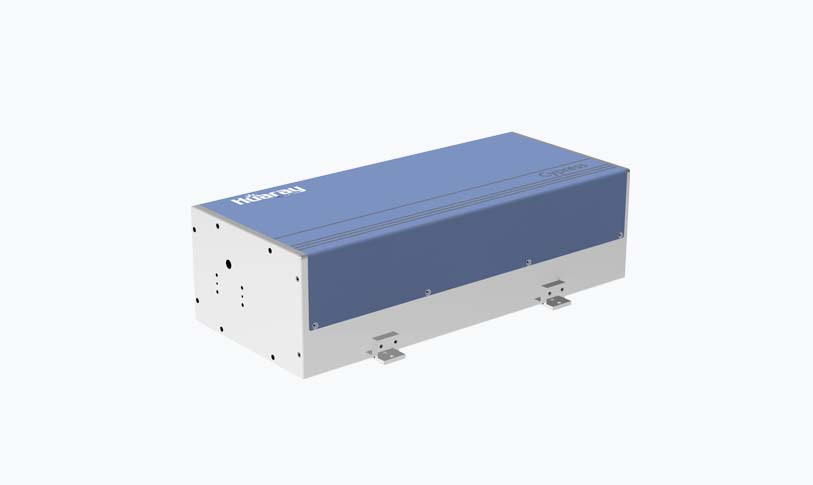
Understanding CO2 Laser Wavelength: The Science, Applications, and Benefits in Modern Technology and Industry
In summary, the CO2 laser wavelength of 10.6 micrometers plays a pivotal role in a wide range of applications across different fields. From medical procedures to industrial processes, the unique characteristics of this laser wavelength enable precision, efficiency, and versatility. As technology continues to evolve, the significance of CO2 lasers will likely expand, paving the way for innovative applications that enhance productivity and improve outcomes in various industries. Understanding the science behind CO2 laser wavelength not only enriches our knowledge of laser technology but also underscores its foundational role in modern advancements.