[co2 vs fiber laser]Comparing CO2 vs Fiber Laser: Understanding the Differences and Applications in Modern Cutting Technologies
News 2024-12-30
****In the world of manufacturing and precision cutting, CO2 and fiber lasers have emerged as two of the most popular technologies for a variety of applications. Each of these laser types has its unique advantages and disadvantages, which make them suitable for different materials and production processes. Understanding the differences between CO2 and fiber laser technology is crucial for manufacturers looking to optimize their cutting and engraving operations. This article dives into the intricacies of each system, examining their mechanisms, applications, and advantages to help businesses decide which technology best suits their needs.
**Fundamentals of CO2 and Fiber Lasers**

Comparing CO2 vs Fiber Laser: Understanding the Differences and Applications in Modern Cutting Technologies
On the other hand, the fiber laser operates based on solid-state technology. It utilizes a fiber optic cable doped with rare earth elements like ytterbium to generate the laser beam. Fiber lasers emit light at a wavelength of around 1.06 micrometers, which is highly effective for cutting and engraving metals such as stainless steel, aluminum, and copper. The core benefit of a fiber laser’s shorter wavelength is its ability to be absorbed more efficiently by metals, leading to faster cutting speeds and cleaner edges.
**Applications in Industry**
Due to the fundamental differences in the types of materials they can process, CO2 and fiber lasers are deployed in various sectors. CO2 lasers are predominantly used for applications involving non-metallic materials. They offer the ability to cut, engrave, and mark a variety of substrates. For example, the fashion and textile industry often employs CO2 lasers for intricate designs on fabrics. Similarly, the woodworking industry utilizes CO2 technology to etch detailed patterns onto wooden surfaces.
Fiber lasers are particularly favored in sheet metal fabrication and manufacturing industries where precision and speed are paramount. Their ability to cut through thicker materials at higher speeds translates to increased productivity and cost-effectiveness. For instance, the automotive industry often relies on fiber lasers for cutting metal parts with high precision. Additionally, their ability to operate with minimal maintenance makes fiber lasers a popular choice in production environments where downtime must be minimized.

Comparing CO2 vs Fiber Laser: Understanding the Differences and Applications in Modern Cutting Technologies
Both CO2 and fiber lasers come with their own set of advantages and challenges. One of the key advantages of CO2 lasers is their versatility. They can handle a wide range of materials and offer excellent engraving capabilities. However, they are generally slower than fiber lasers when cutting metals and tend to require more maintenance due to their gas-filled chambers.
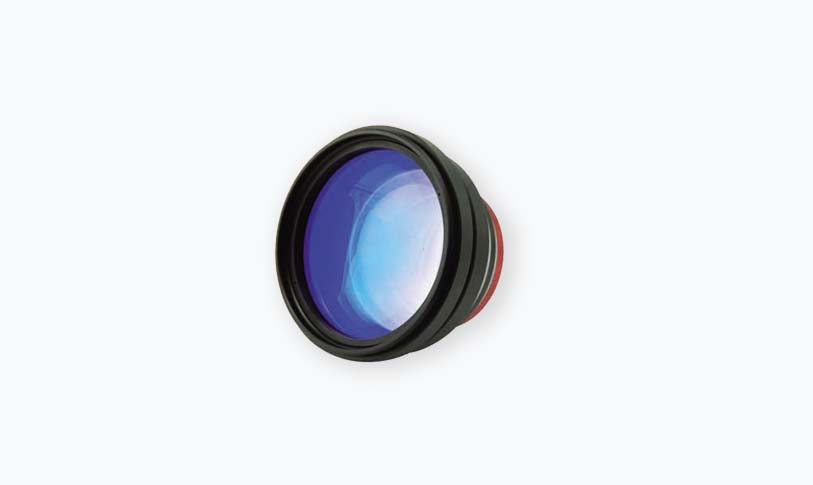
Comparing CO2 vs Fiber Laser: Understanding the Differences and Applications in Modern Cutting Technologies
**Choosing the Right Technology**
The choice between CO2 and fiber laser technology ultimately depends on specific application needs. Companies that primarily process non-metal materials will find CO2 lasers to be highly effective, providing quality engravings and cuts. Conversely, businesses engaged in metal fabrication and manufacturing should consider fiber lasers for their speed and efficiency.
In conclusion, it is essential to assess both CO2 and fiber laser technologies based on the materials being processed, the desired outcomes, and operational efficiency. By understanding the strengths and limitations of each technology, businesses can make informed decisions to enhance productivity and improve their overall manufacturing capabilities.