[fiber laser module]Understanding the Versatility and Applications of Fiber Laser Modules in Modern Manufacturing Processes
News 2024-12-29
****In recent years, fiber laser technology has emerged as a game-changer in various industrial applications, ranging from cutting and welding to marking and engraving. Central to this technology is the fiber laser module, a crucial component that provides precision, efficiency, and versatility in manufacturing processes. This article delves into the workings of fiber laser modules, their applications, benefits, and how they are revolutionizing industries.

Understanding the Versatility and Applications of Fiber Laser Modules in Modern Manufacturing Processes
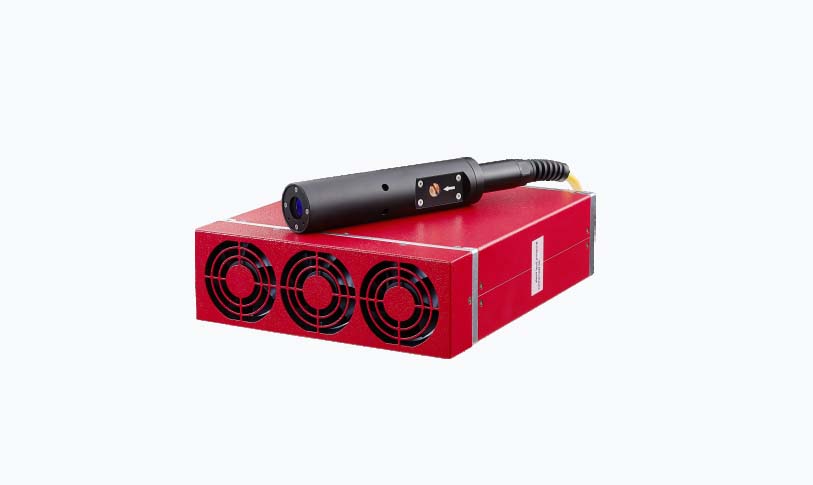
At its core, a fiber laser module consists of a fiber laser source coupled with various optical components that enable it to produce focused laser beams for specific applications. The laser source is composed of an optical fiber doped with rare-earth materials like ytterbium or neodymium. When these fibers are pumped with light from a diode laser, they produce a high-energy laser beam that is coherent and highly focused.
Unlike traditional laser systems, fiber lasers use the optical fiber as both the gain medium and the delivery system. This integration results in several advantages, including compact design, ease of integration into existing systems, and excellent beam quality.
**Applications of Fiber Laser Modules**
The versatility of fiber laser modules is evident in their wide range of applications across multiple industries, including:
1. **Metal Cutting:** Fiber lasers have become the preferred choice for cutting various metals due to their ability to deliver high power with precision. They can effortlessly cut through thick sheets of steel, aluminum, and other materials, resulting in clean edges and minimal heat-affected zones.
2. **Welding:** Fiber laser modules are increasingly utilized for welding applications, particularly in the automotive and aerospace industries. Their focused energy allows for deep penetration welding, creating strong joints in thin-walled materials.
Understanding the Versatility and Applications of Fiber Laser Modules in Modern Manufacturing Processes
4. **Additive Manufacturing:** In the realm of 3D printing, fiber laser modules play a critical role in additive manufacturing processes such as selective laser melting (SLM) and laser sintering. They provide the necessary energy to fuse powdered materials layer by layer, allowing for the creation of complex geometries.
Understanding the Versatility and Applications of Fiber Laser Modules in Modern Manufacturing Processes
**Benefits of Fiber Laser Modules**
The adoption of fiber laser modules in manufacturing is driven by several compelling benefits:
1. **Efficiency:** Fiber lasers are known for their high energy efficiency compared to traditional laser systems. This efficiency not only reduces operational costs but also minimizes the environmental impact.
2. **Low Maintenance:** The solid-state nature of fiber lasers means fewer moving parts and lower maintenance requirements. As a result, manufacturers can reduce downtime and increase productivity.
3. **Compact Design:** The compact size of fiber laser modules makes them easy to integrate into various manufacturing environments. This space-saving design is particularly advantageous for companies looking to optimize their production floors.
4. **High Quality of Workmanship:** Fiber lasers produce high-quality outputs with minimal post-processing requirements. The precision achieved ensures that the final products meet strict quality standards.
5. **Adaptability:** Fiber laser modules can be easily adjusted and adapted for different applications, making them a versatile solution for manufacturers with diverse production needs.
**Conclusion**
Fiber laser modules represent a significant advancement in laser technology, offering numerous advantages across various industries. Their ability to enhance efficiency, reduce costs, and provide high-quality results makes them an essential tool in modern manufacturing. As industries continue to evolve and the demand for precision and speed increases, the role of fiber laser modules will undoubtedly expand, solidifying their position as a cornerstone of cutting-edge technology in the years to come. Whether it’s metal processing, medical applications, or innovative manufacturing techniques, fiber laser modules are reshaping the landscape of industrial production.