[q switched nanosecond laser]Exploring the Revolutionary Advances in Q Switched Nanosecond Laser Technology and Its Impact on Medical Aesthetics and Industrial Applications
News 2024-12-27
In the realm of laser technology, the innovation known as the q switched nanosecond laser has significantly transformed various fields, particularly in medical aesthetics and industrial applications. This technology, celebrated for its precision and versatility, operates by releasing laser energy in short bursts or "pulses," typically lasting just nanoseconds. As a result, the q switched nanosecond laser is able to deliver highly concentrated energy to the targeted tissue, minimizing damage to surrounding areas. This characteristic makes it an invaluable tool in both dermatology and manufacturing.
One of the most prominent applications of q switched nanosecond lasers is in the field of dermatology. This powerful technology is primarily used for treating a wide range of skin conditions, including pigmentation disorders, tattoos, and various signs of aging. For instance, when a q switched nanosecond laser is employed for tattoo removal, the brief and intense bursts of light penetrate the skin and break down the ink particles into smaller fragments. The body’s immune system can then effectively eliminate these fragments, resulting in the gradual fading of the tattoo. With its ability to target specific wavelengths, the q switched nanosecond laser can be fine-tuned to address a variety of ink colors, further enhancing its effectiveness in tattoo removal.
Moreover, the q switched nanosecond laser is particularly effective for treating conditions like melasma and age spots, which are often caused by sun exposure and hormonal changes. The laser’s high energy and short pulse duration allow it to precisely target pigment without damaging the overlying skin, making it a safer option compared to traditional methods. Patients experience less downtime and minimal discomfort, leading to a growing preference for this technology among both practitioners and patients alike.
In addition to its applications in dermatology, the q switched nanosecond laser has made significant strides in the area of industrial manufacturing. Laser technology is increasingly being used for cutting, engraving, and marking materials with high precision. The ability of q switched nanosecond lasers to deliver energy in such short bursts enables manufacturers to work with a diverse array of materials, including metals, plastics, and even ceramics, with unparalleled precision and control. This capability is particularly beneficial in industries that require intricate designs and high-quality finishes, such as jewelry manufacturing and electronic component fabrication.
One of the key advantages of using q switched nanosecond lasers in industry is their efficiency. The precision of the laser means that manufacturers can achieve clean cuts or engravings without the need for extensive post-processing. This not only reduces material wastage but also lowers production costs, making it a highly economical choice for companies striving for sustainability and cost-effectiveness.
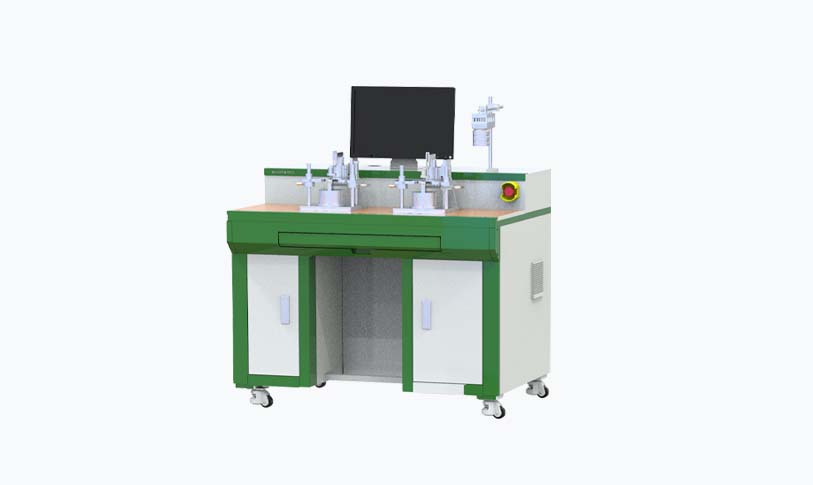
Exploring the Revolutionary Advances in Q Switched Nanosecond Laser Technology and Its Impact on Medical Aesthetics and Industrial Applications
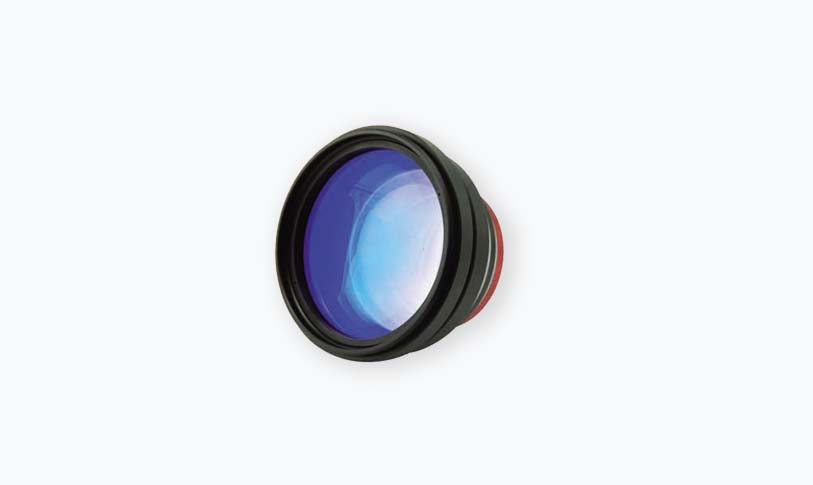
Exploring the Revolutionary Advances in Q Switched Nanosecond Laser Technology and Its Impact on Medical Aesthetics and Industrial Applications
As awareness of the capabilities and benefits of q switched nanosecond laser technology continues to grow, so does its adoption across various sectors. Educational initiatives, workshops, and demonstrations are increasingly common, allowing professionals in both medical and industrial fields to familiarize themselves with this cutting-edge technology. This collective effort is expected to drive innovation, improve patient outcomes in healthcare, and enhance operational efficiencies in manufacturing.
