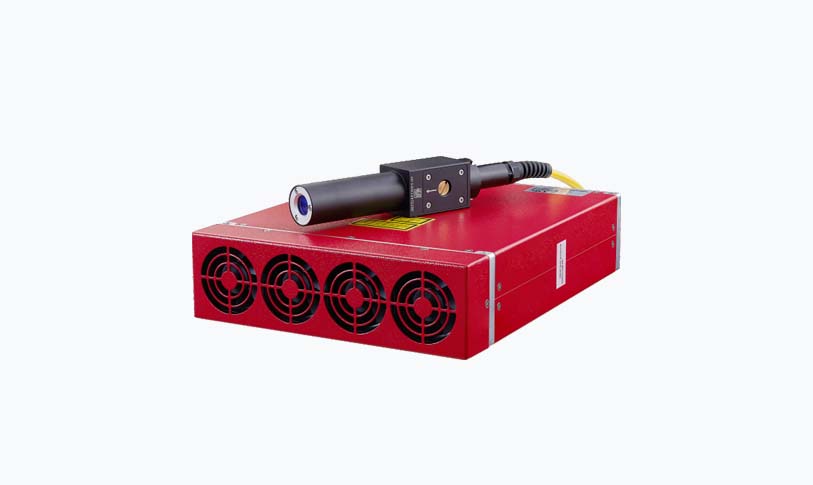
[laser control software]Exploring the Innovative Advancements in Laser Control Software: The Key to Enhanced Precision and Efficiency in Modern Industries
News 2024-12-26
In today’s tech-driven world, the role of precision in manufacturing and industrial applications has never been more crucial. As industries strive to enhance their efficiency and output while minimizing errors, laser control software has emerged as a pivotal tool. This specialized software simplifies the complex processes involved in laser operations, making them more accurate, reliable, and user-friendly. In this article, we will delve into the critical features and benefits of laser control software, its applications across different sectors, and its role in shaping the future of manufacturing and materials processing.
Understanding Laser Control Software
At its core, laser control software is designed to manage the operational parameters of laser systems, including cutting, engraving, marking, and welding. It allows operators to customize settings such as power output, speed, frequency, and pulse duration. This customization is crucial because different materials and applications require specific parameters to achieve the desired results. The software acts as an interface between the operator and the laser machinery, enabling real-time adjustments and monitoring.
Key Features of Modern Laser Control Software
1. **User-Friendly Interface**: A significant advantage of modern laser control software is its intuitive interface. This feature allows users of varying skill levels to operate sophisticated laser systems without extensive training. Drag-and-drop functionalities, visual aids, and easy access to essential settings streamline the process.
2. **Versatile File Compatibility**: Advanced laser control software supports multiple file formats, permitting seamless integration with various design applications. Whether using vector graphics or raster images, users can quickly convert their designs into machine instructions, thereby minimizing setup time.
3. **Real-Time Monitoring and Adjustments**: Real-time feedback is another critical feature. Operators can monitor parameters such as temperature, speed, and power output while the machine is in operation. This capability allows for immediate corrections, ensuring high-quality results and reducing waste.
4. **Customization and Automation**: Many laser control software solutions offer automation features, which can significantly enhance productivity. Operators can set up batch processing, enabling the machine to run multiple jobs sequentially without manual intervention. Custom scripts or macros can automate repetitive tasks, further improving workflow efficiency.
5. **Safety Protocols**: Safety is paramount when working with laser systems. Modern laser control software includes built-in safety protocols that protect both the machine and the operator. Features such as emergency stop buttons, software limits, and alerts for overheating or other malfunctions help prevent accidents and equipment damage.
Applications Across Different Industries
Laser control software finds applications in several fields, including:
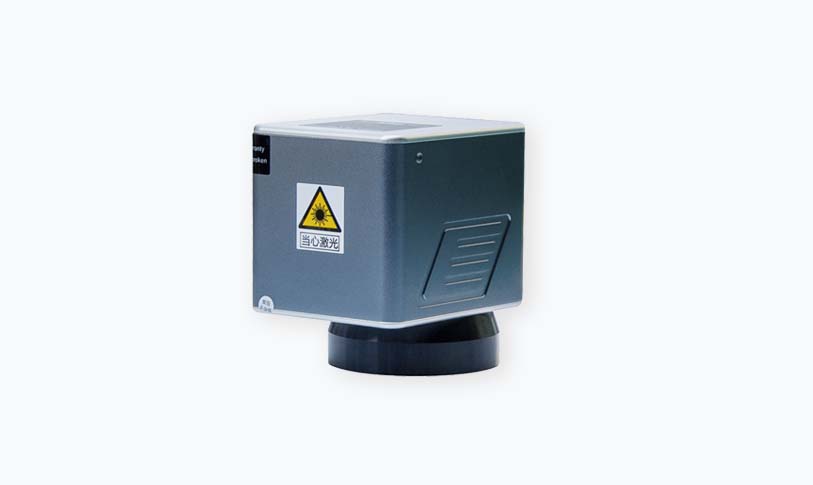
Exploring the Innovative Advancements in Laser Control Software: The Key to Enhanced Precision and Efficiency in Modern Industries

Exploring the Innovative Advancements in Laser Control Software: The Key to Enhanced Precision and Efficiency in Modern Industries
- **Aerospace and Automotive**: In industries where precision is non-negotiable, like aerospace and automotive, laser welding and marking are prevalent. Laser control software aids in ensuring the integrity of critical components through meticulous processing.
- **Healthcare**: Laser technologies are also used in the healthcare sector for applications like surgical procedures and the manufacturing of medical devices. Software that manages laser parameters is crucial in ensuring safety and efficacy in these applications.
- **Art and Design**: Artists and designers use laser engraving for creating artworks or prototypes. Laser control software facilitates the translation of artistic visions into precise laser cuts or engravings, allowing for creativity without compromising precision.
The Future of Laser Control Software
As technology continues to evolve, so does the potential of laser control software. Advancements in artificial intelligence and machine learning could lead to more autonomous systems that self-optimize, significantly reducing the learning curve for new users. Furthermore, as industries increasingly prioritize sustainability, software enhancements that optimize energy consumption and minimize material waste will become essential features.