[laser marking fiber]Enhancing Precision and Efficiency in Industrial Applications: The Role of Laser Marking Fiber Technology in Modern Manufacturing
News 2024-12-25

Enhancing Precision and Efficiency in Industrial Applications: The Role of Laser Marking Fiber Technology in Modern Manufacturing
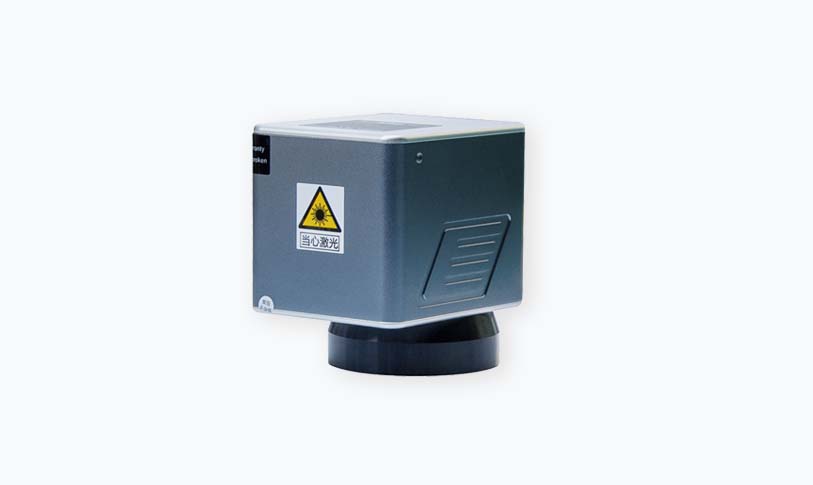
Enhancing Precision and Efficiency in Industrial Applications: The Role of Laser Marking Fiber Technology in Modern Manufacturing
Laser marking fiber systems operate by directing a concentrated beam of light onto the surface of an object. The high intensity of the laser light causes the material to either melt or evaporate, leaving behind a precise mark that can convey vital information like serial numbers, logos, or barcodes. The versatility of fiber lasers allows them to effectively mark a wide array of materials, including metals, plastics, glass, and ceramics. This broad applicability is one of the main reasons why industries are adopting fiber laser marking systems at an accelerating pace.
One significant advantage of laser marking fiber technology is its ability to produce high-quality prints with exceptional durability. Compared to traditional marking methods such as inkjet or pad printing, laser marking creates marks that are resistant to fading, scratching, and washing. This durability is crucial in industries where products are exposed to harsh environments or need to withstand prolonged wear and tear. For instance, automotive components require labels and identification marks that can endure extreme temperatures and exposure to chemicals without degrading, making laser marking fiber the optimal choice.
Moreover, laser marking software has become increasingly sophisticated, allowing for customization and integration into existing production lines. Operators can easily design graphics and text using user-friendly interfaces, tailoring each marking to meet specific requirements. This flexibility not only enhances operational efficiency but also elevates branding efforts, enabling companies to include detailed logos or intricate designs on their products, which can be a major selling point in today’s competitive market.
Speed is another notable benefit of laser marking fiber technology. Unlike traditional marking methods that may require extensive setup times or lengthy curing processes, fiber laser systems can mark items rapidly, increasing productivity. Many modern laser systems can operate continuously, meaning they can mark thousands of items in a very short period. In high-volume production settings, such efficiency translates to significant cost savings and improved throughput.

Enhancing Precision and Efficiency in Industrial Applications: The Role of Laser Marking Fiber Technology in Modern Manufacturing
Maintenance of laser marking fiber systems is generally minimal, as they are built with fewer moving parts than conventional marking systems, leading to longer operational life and reduced downtime. This reliability is especially beneficial in fast-paced manufacturing environments, where any interruption can result in significant cost implications. Regular maintenance focuses primarily on keeping the optics clean and ensuring the software remains updated, allowing operators to concentrate on production rather than equipment upkeep.
In conclusion, the integration of laser marking fiber technology into industrial applications comes with various benefits that align with the demands of modern manufacturing. From offering precision and durability to enhancing productivity and supporting sustainable practices, fiber lasers represent a forward-looking solution for businesses aiming to maintain a competitive edge. As industries increasingly recognize the advantages of adopting advanced marking technologies, laser marking fiber is poised to become a fundamental component of the manufacturing landscape, driving progress and innovation across diverse sectors. Whether it’s through enhancing product identification, facilitating regulatory compliance, or elevating branding efforts, laser marking stands at the forefront of industrial transformation, making its mark in more ways than one.