[laser control card]Understanding Laser Control Cards: The Key to Precision in Laser Technology and Its Applications
News 2024-12-24
****In today’s rapidly advancing technological landscape, the use of lasers spans a myriad of industries—from medical applications and manufacturing to entertainment and communications. A fundamental component that enables the effective operation of laser systems is the laser control card. This essential device serves as the bridge between a computer or controller and the laser itself, translating signals and commands into actions that produce the desired beam characteristics and functionalities. This article explores the importance of laser control cards, their working principles, types, applications, and future trends.
What is a Laser Control Card?
A laser control card is an electronic circuit board designed to manage the laser's operation. It typically connects to a computer, enabling the user to manipulate various operational parameters of the laser, such as power, frequency, and pulse duration. Through precise control, users can achieve the required precision and efficiency in their laser applications, ensuring high-quality output and minimizing errors.
Working Principles of Laser Control Cards
The operation of a laser control card is based on several key components that work together to facilitate communication and control:
1. **Inputs and Outputs**: The control card receives input signals from the user, such as desired laser power or mode. It processes these signals and outputs control commands to the laser, ensuring it operates according to specified parameters.
2. **Signal Processing**: Advanced signal processing units within the control card filter and amplify input signals. This step is crucial for maintaining the fidelity of the commands sent to the laser, enabling precise adjustments in real time.
3. **Feedback Mechanisms**: Many laser systems incorporate feedback loops that inform the laser control card of the laser’s operational status. For instance, if the power output deviates from the set level, the control card can make necessary adjustments to maintain consistency.
4. **Interfacing**: Laser control cards often include various interfacing options, such as USB, Ethernet, and serial ports, allowing easy integration with different computer systems or controllers. This versatility is vital for enabling a wide range of applications.
Types of Laser Control Cards
Laser control cards come in several types, each tailored for specific applications or laser technologies:
1. **Analog Control Cards**: These cards are suitable for controlling analog laser systems, where adjustments in voltage correspond to changes in laser power.
2. **Digital Control Cards**: Digital cards are designed for modern laser systems, allowing users to manipulate parameters using digital signals. They often provide higher precision and enhanced functionalities.
3. **PWM Control Cards**: Pulse Width Modulation (PWM) control cards are commonly used for applications where the laser needs to be switched on and off rapidly. PWM allows for fine control over power delivery, making it ideal for cutting, engraving, and other tasks that require precise modulation.
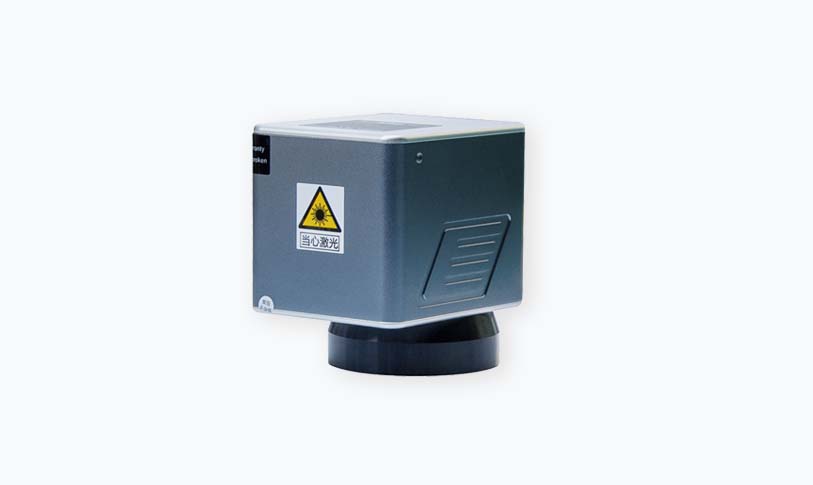
Understanding Laser Control Cards: The Key to Precision in Laser Technology and Its Applications
Applications of Laser Control Cards
Laser control cards have a wide range of applications across different fields:
- **Manufacturing**: In industries such as automotive or aerospace, laser cutting and welding operations rely heavily on laser control cards to ensure precision and repeatability during production.
- **Medical**: In the medical field, lasers are used for surgery and therapy. Laser control cards enable fine adjustments to power and duration, ensuring safe and effective treatments.
- **Research**: Various scientific research endeavors utilize lasers for experiments, where precise control is critical. Laser control cards play a pivotal role in enabling researchers to perform a range of experiments efficiently.

Understanding Laser Control Cards: The Key to Precision in Laser Technology and Its Applications

Understanding Laser Control Cards: The Key to Precision in Laser Technology and Its Applications
Future Trends in Laser Control Cards
As technology continues to evolve, so do laser control cards. Future trends include:
- **Increased Integration**: Control cards are likely to integrate more functionality, potentially incorporating artificial intelligence to optimize laser performance based on real-time feedback.
- **Miniaturization**: As devices become smaller, control cards will also shrink in size while retaining their functionality, making them more versatile for compact applications.
- **Enhanced Connectivity**: The rise of IoT (Internet of Things) may lead to control cards with enhanced connectivity options, allowing for remote control and monitoring of laser systems.
In conclusion, laser control cards play a critical role in harnessing the precision and power of lasers across various applications. By translating commands from users into actionable laser operations, these cards facilitate advancements in technology that continue to shape our world. As we look to the future, the evolution of laser control cards will further enhance their capabilities, making them integral components in the ever-expanding landscape of laser technologies.