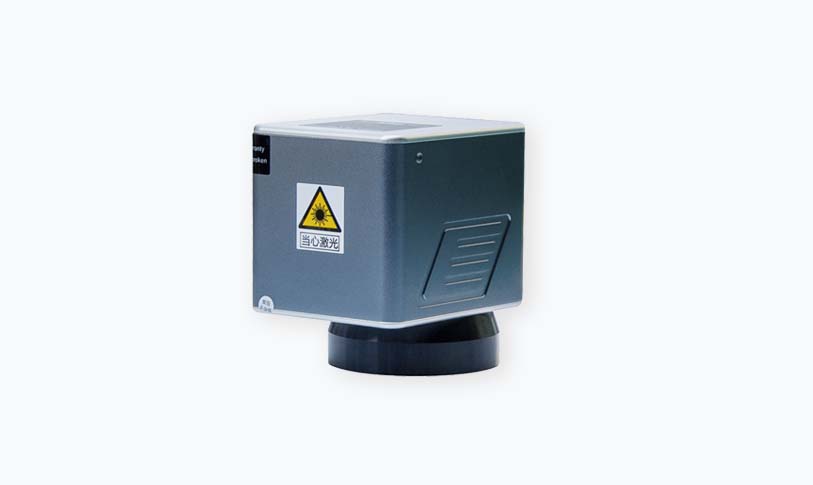
[laser cutting machine programming]A Comprehensive Guide to Laser Cutting Machine Programming: Techniques, Tools, and Best Practices for Precision Design
News 2024-12-23
****In the realm of manufacturing and design, laser cutting machines have emerged as an invaluable tool, offering precise cutting solutions across a variety of materials. The allure of these machines lies not only in their speed and accuracy but also in the sophistication of their programming capabilities. Understanding laser cutting machine programming is essential for anyone looking to maximize the potential of this technology. This article delves into the intricacies of laser cutting machine programming, covering essential techniques, tools, and best practices that can enhance your cutting projects.
What is Laser Cutting Machine Programming?
At its core, laser cutting machine programming involves creating a set of instructions that guide the laser cutter on how to perform specific cutting tasks. This programming defines the parameters under which the laser operates, including cut speed, power, frequency, and path. The programming is typically carried out through specialized software that translates design files into coded instructions that the laser cutter can understand.
The Importance of Programming in Laser Cutting
Precision is the primary advantage of laser cutting, and it is achieved through meticulous programming. Different materials react uniquely to laser cutting, necessitating tailored programming techniques to ensure optimal results. For instance, when cutting acrylic, a higher speed and lower power setting is generally preferred, whereas materials like metal may require slower speeds and higher power to achieve clean cuts.
Essential Tools and Software for Programming
The first step in effective laser cutting machine programming is selecting the right software and tools. Several industry-standard software programs are designed specifically for laser cutting, allowing users to create intricate designs and manage machine settings. Some popular options include:
1. **Adobe Illustrator**: This vector graphics editor is widely used to design files that can be exported for laser cutting. Its compatibility with various laser cutting machines makes it a staple in the design community.
2. **CorelDRAW**: Similar to Adobe Illustrator, CorelDRAW offers comprehensive design features and is favored for its user-friendly interface. It also supports direct output to numerous laser cutting machines.
3. **LightBurn**: A relatively new but powerful software, LightBurn allows users to design, arrange, and control laser cutting operations. It is particularly known for its advanced features and ease of use for beginners.
4. **AutoCAD**: Often used in industrial applications, AutoCAD is another potent tool for creating designs intended for laser cutting. It provides precise drawing capabilities, making it ideal for engineering applications.
Programming Techniques for Optimal Results
1. **Understanding Material Characteristics**: Before programming your laser cutter, it is imperative to understand the characteristics of the material you will be using. Factors such as thickness, density, and thermal properties can significantly influence the cutting parameters.
2. **Optimizing Cut Settings**: Adjusting the speed, power, and frequency settings is crucial for different materials. As a rule of thumb, faster speeds and lower power settings work well with thin materials, while thicker materials demand slower speeds and higher power for clean cuts.
3. **Path Optimization**: Efficient programming involves planning the cutting path to minimize travel time and reduce wear on the laser. Techniques such as nesting, where you arrange multiple parts closely together, can help save material and time.
4. **Testing and Iteration**: It is vital to conduct test cuts on scrap materials before working on your final piece. This practice allows you to fine-tune your settings and make necessary adjustments to the programming for better accuracy and quality.
Best Practices in Laser Cutting Machine Programming
1. **Documentation**: Keep detailed records of your cutting settings for different materials. This documentation will serve as a reference for future projects and help streamline your workflow.

A Comprehensive Guide to Laser Cutting Machine Programming: Techniques, Tools, and Best Practices for Precision Design
3. **Continuous Learning**: As technology evolves, staying current with advancements in laser cutting technology and programming software is crucial. Online courses, industry webinars, and forums can be great resources for learning new skills.
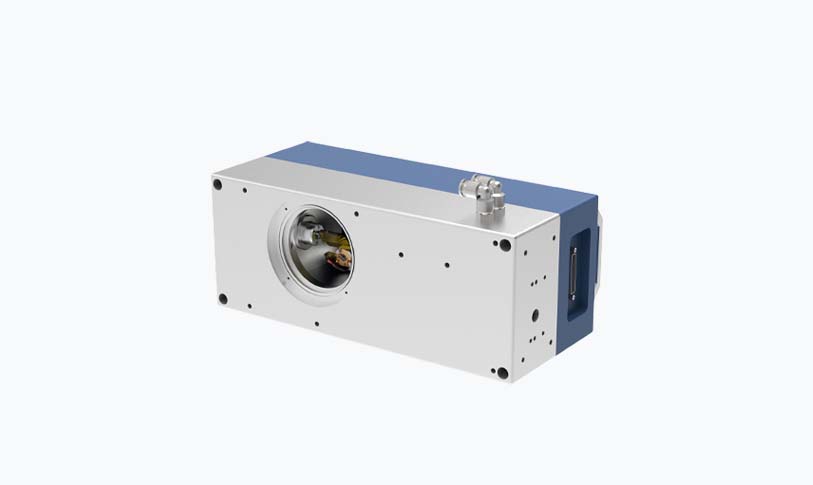
A Comprehensive Guide to Laser Cutting Machine Programming: Techniques, Tools, and Best Practices for Precision Design
Conclusion