[3d galvo scanner]Exploring the Applications and Advancements of 3D Galvo Scanners in Modern Technology and Industry
News 2024-12-23
****
Exploring the Applications and Advancements of 3D Galvo Scanners in Modern Technology and Industry
Understanding the Mechanics of 3D Galvo Scanners
At their core, 3D galvo scanners are driven by galvanometer motors, which are sensitive, fast, and accurate. A galvanometer is an electromechanical device that translates electrical signals into angular movement. When coupled with mirrors, the galvanometers can direct lasers or other optical beams at variable angles, allowing for swift and precise positioning in a three-dimensional space.
Scanners typically consist of two or more galvanometer mirrors which rotate around their axes, enabling the lasers to project points at different angles. The combination of these movements creates intricate 3D patterns that can be employed for various applications. The ability to rapidly alter the direction and focus of a laser makes 3D galvo scanners extraordinarily efficient, reducing the time required for tasks like engraving, cutting, and scanning.
Applications Across Diverse Industries
1. **Manufacturing and Prototyping:** One of the most significant applications of 3D galvo scanners is in the manufacturing sector, particularly in laser engraving and cutting. With their high precision, these scanners facilitate the creation of intricate designs on materials such as wood, metal, and plastic. Furthermore, they are widely used in the prototyping phase of product development, allowing designers to visualize and construct 3D models quickly. This rapid prototyping can often significantly reduce the time from concept to market, providing companies with a competitive edge.
Exploring the Applications and Advancements of 3D Galvo Scanners in Modern Technology and Industry
3. **Robotics and Automation:** With the rise of automation in manufacturing, 3D galvo scanners are increasingly integrated into robotic systems. These scanners can provide real-time feedback to robots, allowing them to adjust their actions based on the 3D mapping of their environment. Whether in assembly lines or warehousing, the collaboration between robotics and galvo scanning technology is revolutionizing how industries operate.
Exploring the Applications and Advancements of 3D Galvo Scanners in Modern Technology and Industry
Recent Advancements and Future Outlook
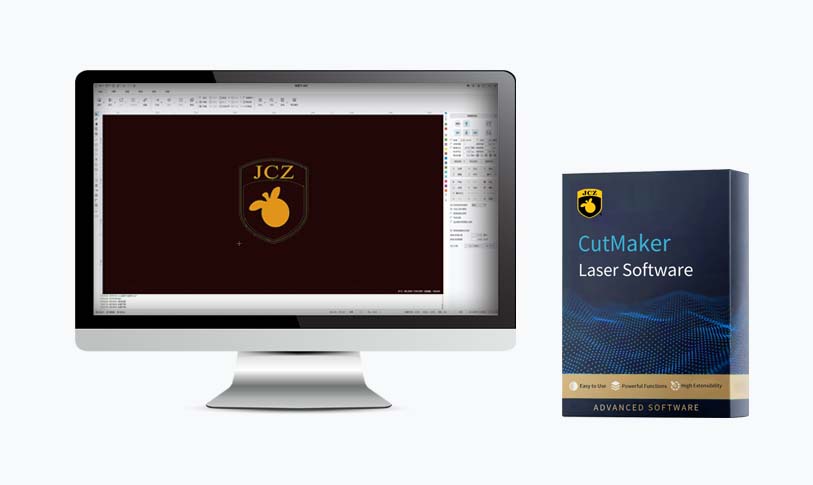
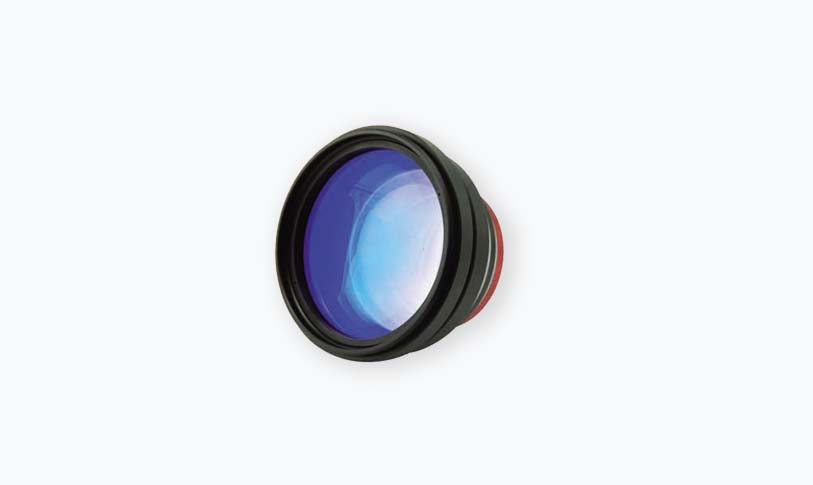
Recent advancements in 3D galvo scanning technology have concentrated on improving speed, accuracy, and integration capabilities. Manufacturers are now developing faster galvanometer motors that allow for quicker movement, enabling higher throughput in industrial applications. Enhanced optical components are also being introduced, which deliver better resolution and stability during operation.
Moreover, software advancements are simplifying the interface between the device and users, making it easier for operators to control advanced settings without needing extensive technical knowledge. With the rise of artificial intelligence and machine learning, some systems are beginning to incorporate smart algorithms that can optimize performance based on the specific characteristics of the material being processed.
Looking ahead, the future of 3D galvo scanners appears promising as industries continue to seek efficient, cost-effective solutions to enhance productivity. As technology continues to advance, we may see even more innovative applications and improvements in precision, leading to breakthroughs that could redefine entire fields of work.
Conclusion
In conclusion, 3D galvo scanners are integral to many sectors, driving advancements in technology and increasing the efficiency of processes. From manufacturing to medical applications, the widespread utility of these devices illustrates their importance as technological powerhouses in the modern world. As we continue to innovate and push boundaries, the future of 3D galvo scanning promises to be bright and transformative, opening doors to possibilities we have yet to imagine.