[laser marking controller]Exploring the Versatility and Applications of Laser Marking Controllers in Modern Manufacturing Processes
News 2024-12-21
****In today’s rapidly advancing manufacturing landscape, the integration of technology has transformed traditional practices, enhancing precision, efficiency, and quality. One significant player in this evolution is the laser marking controller, a device that employs laser technology to engrave, mark, or etch designs and texts onto various materials. This article delves into the versatility and applications of laser marking controllers, examining how they have become indispensable tools in multiple industries.
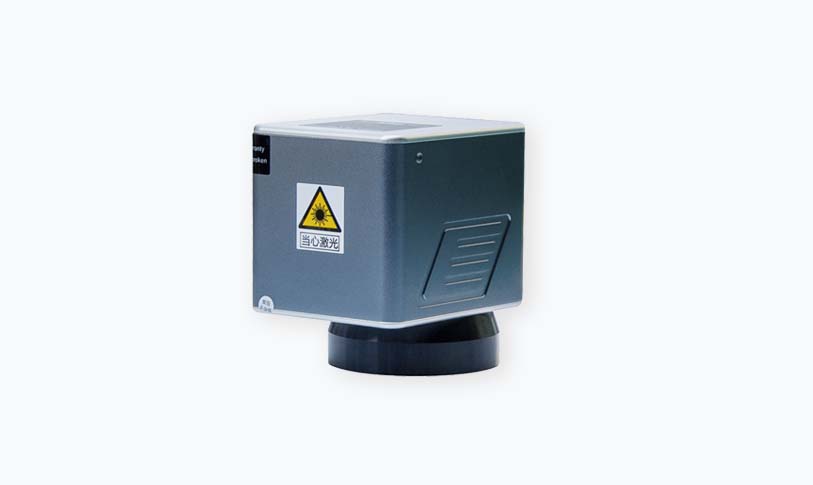
Laser marking is a non-contact method of marking that utilizes focused laser beams to alter the surface of a material. This technology can be applied to a variety of substances, including metals, plastics, ceramics, and glass. The laser marking controller serves as the interface that controls the operation of laser marking machines, determining everything from marking speed and depth to the pattern and design specifics.
Key Components of a Laser Marking Controller
At its core, a laser marking controller consists of several essential components that work in harmony to achieve accurate and effective results. These include:
1. **Laser Source**: This is the heart of the marking system, responsible for generating the laser beam. Common types of lasers used in marking include CO2 lasers, fiber lasers, and solid-state lasers, each suited for different materials and applications.
2. **Optical System**: Composed of lenses and mirrors, the optical system focuses and directs the laser beam onto the material.
3. **Control Software**: Software plays a crucial role in a laser marking controller by enabling the user to design the mark, adjust parameters, and control the laser's operation. Advanced software often includes features like image processing, vector graphics support, and integration with CAD/CAM programs.
4. **Motion System**: This system typically involves stepper motors or servo motors that allow the laser marking head to move along the x and y axes, providing flexibility in marking shapes and designs.
5. **User Interface**: The interface allows operators to input commands, choose settings, and monitor the marking process. An intuitive user interface can significantly reduce the learning curve and optimize workflow.
Applications Across Industries

Exploring the Versatility and Applications of Laser Marking Controllers in Modern Manufacturing Processes
**1. Manufacturing**: In manufacturing, laser marking controllers are essential for product identification, barcoding, and traceability. Parts can be marked with serial numbers or logos, facilitating inventory management and compliance with industry standards.
**2. Electronics**: The electronics industry utilizes laser marking for component identification, such as integrating QR codes on circuit boards to streamline manufacturing processes. Laser marking ensures precision and permanence, crucial for high-quality electronic products.
**3. Medical Devices**: In the medical field, marking controllers are critical for labeling surgical instruments, implants, and other devices. The ability to produce clear, readable marks that withstand sterilization processes is vital to patient safety and traceability.
**4. Packaging**: Laser marking is increasingly being used in packaging lines to create unique codes or graphics directly on packaging materials. This enhances product security, reduces counterfeiting, and improves consumer engagement through custom branding.
**5. Automotive**: In the automotive sector, laser marking controllers are utilized for marking parts like engine components, ensuring compliance with regulatory standards and allowing for easy tracking throughout the supply chain.
Advantages of Laser Marking Technology
Exploring the Versatility and Applications of Laser Marking Controllers in Modern Manufacturing Processes
- **High Precision**: Laser marking offers unmatched precision, producing intricate designs and fine text that traditional methods cannot achieve.
- **Durability and Permanence**: Marks created by lasers are resistant to wear, corrosion, and fading, ensuring longevity even in harsh environments.
- **Environmentally Friendly**: Laser marking is a non-toxic process that does not require inks or chemicals, making it a more environmentally friendly option compared to traditional marking methods.
- **Minimal Setup Time**: With digital designs, the setup time for laser marking is minimal, allowing for quick adjustments and faster production times.

Exploring the Versatility and Applications of Laser Marking Controllers in Modern Manufacturing Processes
The evolution of laser marking controllers has significantly influenced modern manufacturing practices, offering unparalleled precision, versatility, and efficiency. As industries continue to adapt to technological advancements, the role of laser marking technology will undoubtedly expand, driving innovation and enhancing product quality across various sectors. By leveraging the capabilities of laser marking controllers, manufacturers can ensure they remain competitive in an increasingly challenging market, while also meeting the growing demands for quality and sustainability.