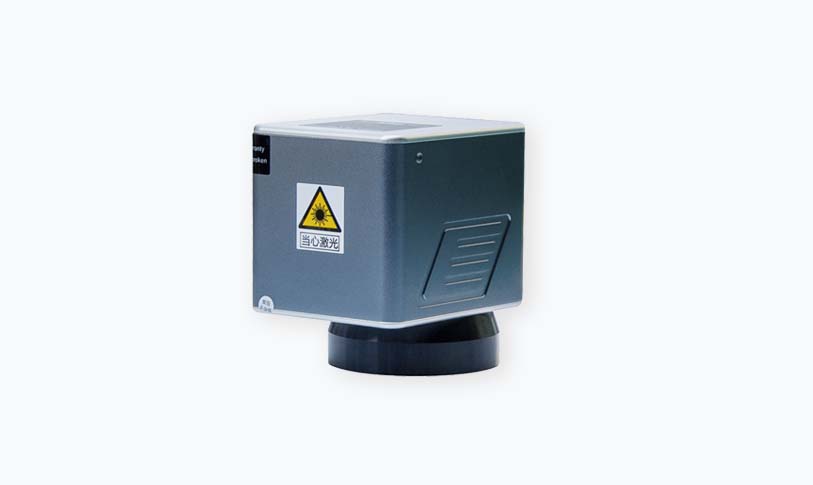
[355nm laser]The Impact of 355nm Lasers on Medical and Industrial Applications: A Comprehensive Overview of Their Benefits and Technological Advancements
News 2024-12-19
The 355nm laser, a powerful tool in the realm of photonics, is gaining traction across various industries, particularly in medical and industrial applications. Operating in the near-ultraviolet spectrum, this type of laser is notable for its unique properties, including high peak power and efficiency, which make it ideal for numerous uses. Analyzing the impact and advancements associated with 355nm lasers provides valuable insights into their growing importance in modern technology.
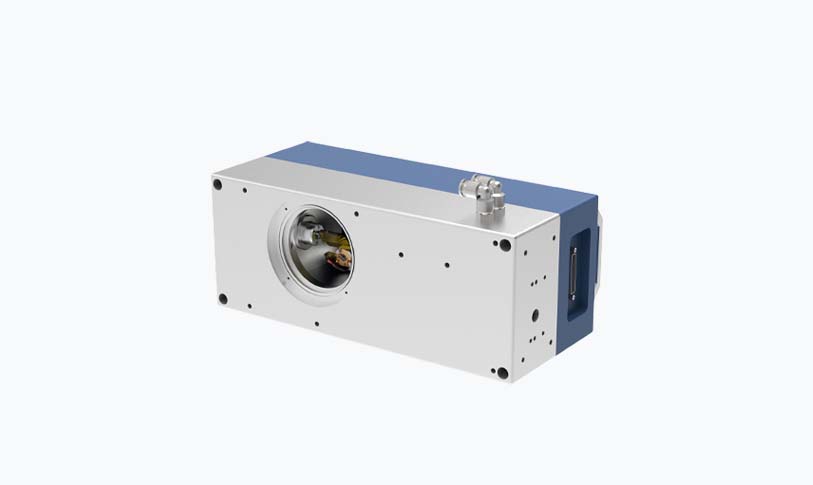
The Impact of 355nm Lasers on Medical and Industrial Applications: A Comprehensive Overview of Their Benefits and Technological Advancements
In ophthalmology, the 355nm laser is utilized in procedures like laser vision correction and cataract surgery. Its shorter wavelength allows for enhanced penetration of the corneal tissue, enabling accurate reshaping of the eye's surface. This precision is crucial, as even minute errors can lead to significant complications. Moreover, the smaller spot size associated with 355nm lasers allows for highly focused treatment, which is essential in delicate eye procedures. As a result, patients experience improved recovery times and minimized risks of post-operative complications.
Beyond the medical field, the industrial applications of 355nm lasers are equally noteworthy. These lasers are employed in microfabrication processes, semiconductor manufacturing, and laser marking. In semiconductor manufacturing, for instance, the high resolution and accuracy of 355nm lasers enable the production of intricate patterns required for the latest microchips. As technology continues to advance, the need for smaller and more efficient electronic components has driven the demand for precise laser technology in manufacturing processes.
Laser marking, another prominent industrial application, leverages the unique properties of 355nm lasers to create durable and high-contrast markings on various materials. Metals, plastics, and ceramics can all be effectively marked, which is vital for product identification, branding, and compliance. The ability to mark surfaces with high precision and minimal thermal impact is a critical advantage; this method does not deform or damage the underlying material, maintaining the integrity and functionality of the products.
Moreover, the versatility of the 355nm laser extends to research and development sectors. Scientific experiments often require precise manipulation of light, and the 355nm laser provides an ideal wavelength for studying various optical phenomena. Its high photon energy is beneficial for exciting certain materials or achieving specific chemical reactions, making it a valuable tool in laboratories worldwide.
With advancements in laser technology, the efficiency of 355nm lasers has been continually improving. Recent innovations have led to the development of high-power solid-state lasers, which not only enhance performance but also increase reliability and longevity. Additionally, technological developments in laser diodes and frequency conversion have made 355nm lasers more accessible and cost-effective for various applications, further encouraging their adoption across industries.

The Impact of 355nm Lasers on Medical and Industrial Applications: A Comprehensive Overview of Their Benefits and Technological Advancements