[laser control board]Understanding Laser Control Boards: The Key Components that Drive Precision and Efficiency in Laser Cutting and Engraving Technologies
News 2024-12-17
Laser cutting and engraving have revolutionized numerous industries by enabling precise manufacturing and high-quality designs. At the heart of these cutting-edge technologies lies an essential component known as the laser control board. Understanding the functionalities, significance, and applications of a laser control board is key for anyone entering or advancing in the field of laser technology.
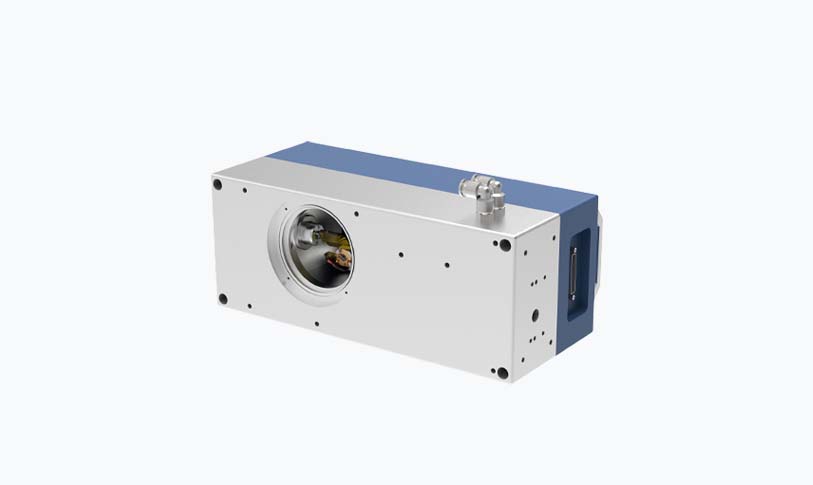
Understanding Laser Control Boards: The Key Components that Drive Precision and Efficiency in Laser Cutting and Engraving Technologies

Understanding Laser Control Boards: The Key Components that Drive Precision and Efficiency in Laser Cutting and Engraving Technologies
A laser control board is an electronic device that regulates and controls the operations of a laser machine. It acts as the brain of the laser cutter or engraver, interfacing between the user-designed project and the laser machinery. The board receives G-code commands (the programming language for CNC machines) from various software applications, which tell it how to move the laser head and adjust the power during cutting or engraving processes.
Key Functions of a Laser Control Board
1. **Power Regulation**: One of the primary functions of a laser control board is to control the laser's power output. This feature is crucial for achieving various cutting depths and engraving levels. The accuracy in power regulation allows for intricate designs and ensures that the laser only penetrates materials to the desired extent.
2. **Motion Control**: Laser control boards manage the movement of the laser head across the material surface. They ensure smooth and precise operations, keeping track of the x, y, and z coordinates, which allows the laser to follow the designed path accurately.
3. **Safety Systems**: Advanced laser control boards include built-in safety features such as emergency stop buttons, over-temperature protection, and limit switches that prevent the laser from moving beyond its intended range. This ensures operator safety and maintains the integrity of the machine.
4. **Networking and Communication**: Many modern laser control boards come equipped with Wi-Fi or USB connections, allowing users to control their machines remotely. This feature enhances usability and allows for easier integration with design software, making it more convenient for users to send files directly to the laser cutter.
5. **Compatibility**: A good laser control board is adaptable to various operating systems and software, ranging from proprietary platforms to open-source solutions. This flexibility enables users to choose their preferred design tools while ensuring seamless operation with the laser machine.
Types of Laser Control Boards

Understanding Laser Control Boards: The Key Components that Drive Precision and Efficiency in Laser Cutting and Engraving Technologies
- **Open-source boards**, like the Arduino-based GRBL, are widely popular due to their cost-effectiveness and extensive community support. They allow for customization and provide a platform where users can easily modify the code to suit specific needs.
- **Proprietary boards**, on the other hand, are developed by specific manufacturers and are generally more user-friendly. They often come with rich features and dedicated customer support but may be more expensive and less customizable than their open-source counterparts.
Applications of Laser Control Boards
Laser control boards find applications in various fields, including:
- **Manufacturing**: Industries use laser cutting for creating intricate parts for machinery, automotive components, and electronic enclosures. The precision offered by laser machines ensures that even complex designs can be produced reliably.
- **Art and Design**: Artists and designers leverage laser engraving technology for creating intricate patterns and personalized gifts. The ability to modify designs digitally before sending them to the laser cutter makes this a favored approach in the creative sectors.
- **Medical**: Laser technology is also applied in medical device manufacturing. Control boards enable the cutting of delicate components with extreme accuracy, which is essential for the reliability and safety of medical equipment.
- **Signage and Displays**: Custom signage, which often involves detailed engraving and cutting, heavily relies on the capabilities provided by laser control boards. Whether for promotional purposes or decorative pieces, the accuracy and flexibility of laser technology are critical.
Conclusion
In summary, laser control boards play an indispensable role in the efficiency and precision of laser cutting and engraving systems. By understanding their functions, types, and applications, users can appreciate the complexity of these machines and how crucial a control board is to their performance. As technology continues to evolve, advancements in laser control board design will likely lead to even greater capabilities in the world of laser manufacturing.