[uv laser source]Exploring the Advancements and Applications of UV Laser Source Technology in Modern Industries
News 2024-12-14
Ultraviolet (UV) laser sources have emerged as pivotal tools across various industries, offering precision, efficiency, and innovative solutions to complex challenges. With the ability to generate high-intensity ultraviolet light, these laser sources are becoming increasingly popular in applications ranging from materials processing to medical treatments. This article delves into the advancements in UV laser source technology, their diverse applications, and the benefits they bring to modern industries.
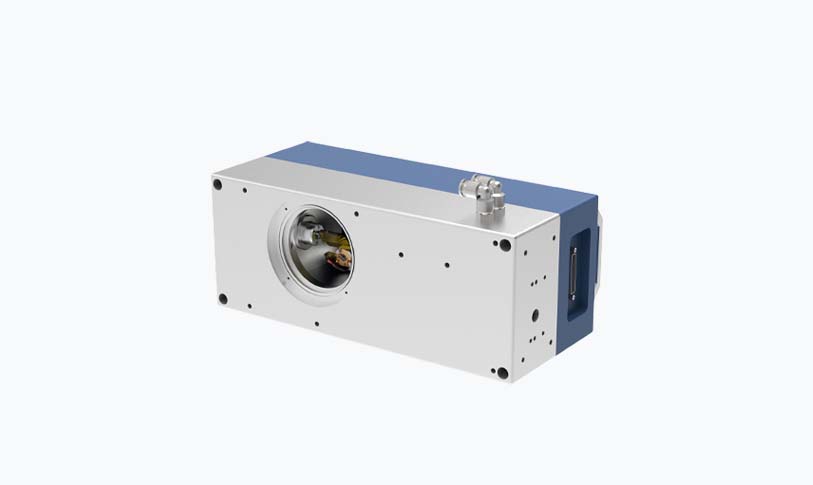
The basic principle behind a UV laser source involves the emission of light at wavelengths shorter than visible light, typically in the range of 200 to 400 nanometers. These lasers are primarily categorized into two types: solid-state and gas lasers. Solid-state UV lasers, such as those using frequency conversion techniques, have seen substantial improvements in terms of efficiency and output power. Gas lasers, particularly those using argon, krypton, or nitrogen, also contribute to the UV laser market with their unique benefits.
Exploring the Advancements and Applications of UV Laser Source Technology in Modern Industries
One of the most significant applications of UV laser sources is in the field of materials processing. UV lasers provide high precision and minimal heat-affected zones, making them ideal for cutting, engraving, and marking various materials including plastics, wood, glass, and metals. In the electronics industry, for instance, UV lasers are utilized for micro-machining and drilling micro-holes in printed circuit boards (PCBs) with unmatched accuracy. This capability is crucial in the production of miniaturized electronic components, which are increasingly integral to modern devices.
Another vital application of UV laser sources is in the medical field, where they are employed for surgical procedures, skin treatments, and diagnostic tools. The precision of UV lasers enables targeted treatments that minimize damage to surrounding tissues. For example, in dermatology, UV lasers are used to treat skin conditions such as acne, psoriasis, and pigmentation disorders. The ability to precisely target specific areas of the skin leads to effective treatment outcomes with reduced recovery times for patients.
Exploring the Advancements and Applications of UV Laser Source Technology in Modern Industries
Another noteworthy application is in the field of sterilization and disinfection. UV laser sources can effectively kill bacteria, viruses, and other pathogens on surfaces and in liquids. As a result, they have gained attention in efforts to combat contamination in healthcare settings, food processing industries, and water treatment facilities. The effectiveness of UV lasers in disinfection makes them a valuable asset, particularly amid global concerns about public health and safety.
Exploring the Advancements and Applications of UV Laser Source Technology in Modern Industries
As we look to the future, UV laser sources are poised to play an increasingly vital role in innovation across various sectors. The continuous evolution of this technology, coupled with growing demands for precision and efficiency, will likely lead to even more diverse applications and enhanced capabilities. As industries become more complex and demanding, the integration of UV laser sources will undoubtedly serve as a key driver of progress in manufacturing, healthcare, data storage, and beyond.
In conclusion, the advancements in UV laser source technology are shaping the landscape of modern industries. By providing precision, efficiency, and versatile applications, UV lasers are revolutionizing processes and creating new opportunities across various sectors. As research continues and new applications are developed, UV laser sources are bound to play an integral role in the future of technology and innovation.