[laser cutter program]Understanding the Importance of a Laser Cutter Program for Designers, Engineers, and Makers in Modern Fabrication
News 2024-12-13
****In the ever-evolving landscape of technology and fabrication, laser cutters have emerged as vital tools for designers, engineers, and makers alike. The precision, efficiency, and versatility of laser cutting technology have revolutionized the way materials are manipulated and transformed into innovative products. However, to maximize the potential of laser cutters, a comprehensive understanding of a laser cutter program is essential. This article explores the significance of laser cutter software, its various applications, and its impact on modern manufacturing processes.
Understanding the Importance of a Laser Cutter Program for Designers, Engineers, and Makers in Modern Fabrication
Laser cutting is a technique that uses a focused beam of light to slice through materials with unparalleled precision. The process is controlled by a computer, which interprets design files and directs the laser's movements to execute intricate cuts and engravings accurately. Common materials used in laser cutting include wood, acrylic, fabric, metal, and glass. The ability to manipulate these materials opens up endless possibilities for creative projects, prototypes, and intricate designs.
What Is a Laser Cutter Program?
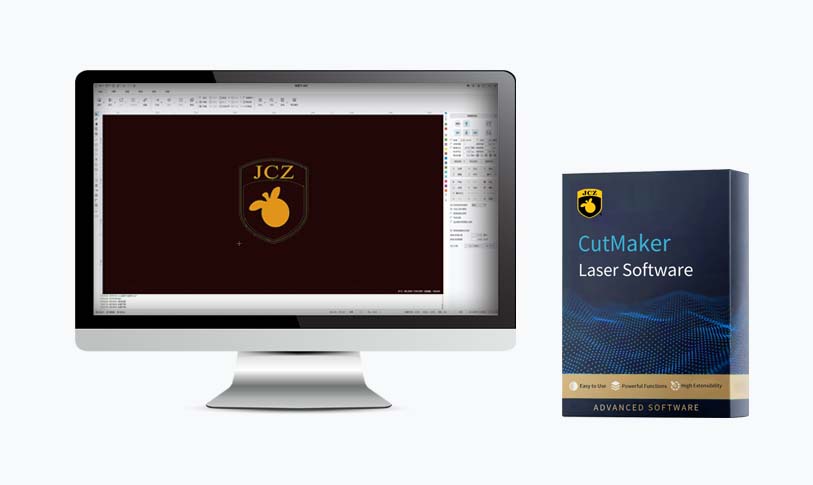
A laser cutter program refers to the software or application that controls the laser cutting machine. This software allows users to create, edit, and import design files, converting them into readable formats for the laser cutter to interpret. Some of the key functionalities of a laser cutter program include:
1. **Design Creation and Editing**: Users can create designs from scratch or modify existing files. Many laser cutter programs come equipped with built-in design tools, allowing for the addition of text, shapes, and patterns directly within the software.
2. **File Import and Compatibility**: High-quality designs often come from professional graphic design software. The laser cutter program needs to support a variety of file formats, including .dxf, .svg, .ai, and others, to ensure compatibility with designs created in programs like Adobe Illustrator or AutoCAD.
3. **Parameter Settings**: To achieve optimal results, users can adjust parameters such as cutting speed, power settings, and frequency depending on the material being used. Effective parameter management is crucial, as different materials require distinct settings for accurate cuts and engravings.
4. **Simulation and Preview**: Advanced laser cutter programs provide simulation features that allow users to preview the cutting process before initiating it. This reduces the risk of errors and wasted materials, ensuring that the design is executed as intended.
5. **Job Management**: For professional settings where multiple jobs are run consecutively, effective job management features are essential. Users can queue jobs, track their progress, and adjust priorities, streamlining the workflow.
Applications Across Various Industries
The versatility of laser cutting technology has found applications across numerous industries, including:
- **Architecture and Interior Design**: Designers use laser cutters to create detailed architectural models, intricate signage, and decorative elements with precision, enhancing both aesthetic appeal and functionality.
- **Fashion and Textile Design**: Fashion designers apply laser cutting to create unique patterns and shapes in fabric, which can dramatically alter the appearance and structure of garments.
Understanding the Importance of a Laser Cutter Program for Designers, Engineers, and Makers in Modern Fabrication

Understanding the Importance of a Laser Cutter Program for Designers, Engineers, and Makers in Modern Fabrication
The Impact on Modern Manufacturing
The integration of laser cutter programs into manufacturing processes has enhanced productivity, reduced waste, and improved quality control. As businesses strive for more sustainable practices, the efficiency of laser cutting technology is becoming increasingly attractive. By minimizing material wastage and energy use, the technology aligns with eco-friendly practices.
Moreover, as education and training programs focus more on teaching CAD software and laser cutting techniques, the gap between design and production is narrowing. Individuals can now go from concept to creation more seamlessly, fostering innovation and encouraging a new generation of makers and designers.
Conclusion
A laser cutter program is an indispensable component of the modern fabrication landscape. It empowers designers, engineers, and hobbyists by providing the tools necessary to bring their visions to life with precision and efficiency. As technology continues to advance, the role of software in the laser cutting process will only become more critical, enabling even greater creativity and innovation across industries. Embracing the capabilities of laser cutter programs not only enhances individual projects but also catalyzes broader advancements in manufacturing and design.