[uv laser]Exploring the Advantages and Applications of UV Lasers in Modern Industry: A Comprehensive Overview
News 2024-12-12
Ultraviolet (UV) lasers, a remarkable advancement in laser technology, have gained significant traction across various industries due to their unique properties and capabilities. Operating at wavelengths shorter than visible light, typically ranging from 100 nm to 400 nm, UV lasers are employed in diverse applications, including healthcare, manufacturing, and telecommunications. This article aims to explore the advantages of UV lasers, their applications, and the future potential they hold in modern technological advancements.
One of the primary advantages of UV lasers is their ability to achieve high precision and accuracy. The short wavelengths emitted by UV lasers allow for focused energy delivery, which is essential in tasks such as micro-machining or marking. When utilized in manufacturing processes, UV lasers enable businesses to produce fine details on materials that are difficult to achieve with other types of lasers. This precision is particularly significant in industries like electronics, where components require intricate designs and patterns to optimize performance.

Exploring the Advantages and Applications of UV Lasers in Modern Industry: A Comprehensive Overview
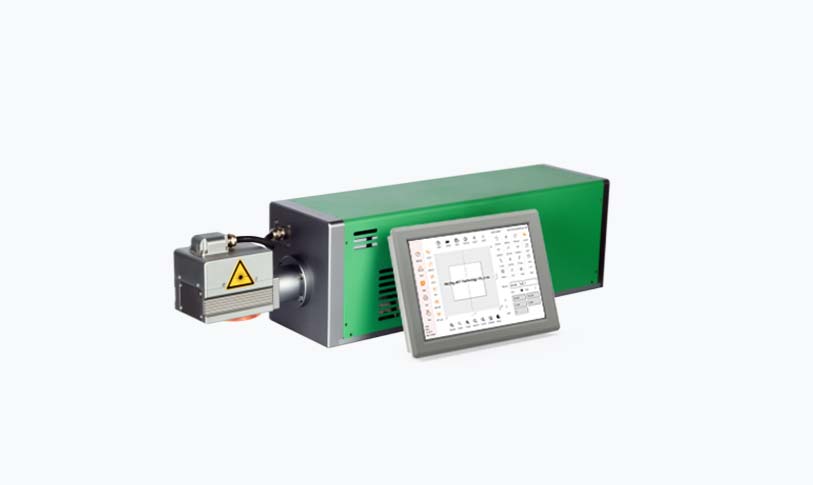
Exploring the Advantages and Applications of UV Lasers in Modern Industry: A Comprehensive Overview
Moreover, UV lasers have found their place in the field of telecommunications, particularly in the development of optical communication systems. As data transmission speeds continue to increase, there is an ever-growing demand for lasers that can facilitate high-bandwidth communication. UV lasers contribute to this demand by allowing for the miniaturization of optical components and the enhancement of signal integrity, which are essential for modern communication networks. With the rise of technologies such as 5G and beyond, UV lasers are poised to play a vital role in shaping the future of telecommunication infrastructure.

Exploring the Advantages and Applications of UV Lasers in Modern Industry: A Comprehensive Overview
Nevertheless, despite the various benefits of UV lasers, challenges remain that might impede their widespread adoption. The initial investment in UV laser technology can be high, and companies may be hesitant to transition from established processes to newer technologies. Furthermore, while UV lasers offer numerous advantages, understanding their proper use and maintenance requires specialized knowledge and training, which may not be readily available in all industries.
In conclusion, UV lasers represent a significant technological advancement with numerous applications across different sectors. Their precision, efficiency, and versatility make them an attractive option for manufacturing, medical procedures, and telecommunications, among other fields. As industries continue to evolve and push the boundaries of innovation, the potential applications of UV lasers are expected to expand further, opening new avenues for growth and sustainability. Embracing this technology could lead to enhanced product quality, improved operational efficiency, and a lesser environmental footprint, marking a critical step toward the future of advanced manufacturing and beyond.