[fiber marking]Understanding Fiber Marking: Importance, Techniques, and Applications in Modern Manufacturing and Product Identification
News 2024-12-12
Fiber marking has emerged as a vital technique in modern manufacturing processes and product identification systems. In an era where traceability and quality assurance are paramount, fiber marking offers unique advantages that align with the growing demand for durable, precise, and efficient marking solutions across various industries. This article explores the fundamentals of fiber marking, its significance, various techniques employed, and the diverse applications that make it an essential component of contemporary production methodologies.
What is Fiber Marking?
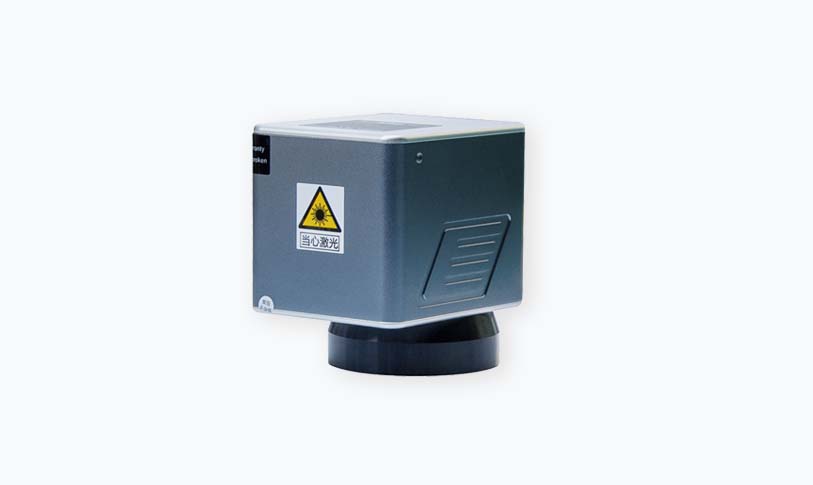
Understanding Fiber Marking: Importance, Techniques, and Applications in Modern Manufacturing and Product Identification
Importance of Fiber Marking
1. **Durability and Longevity**: Marks created through fiber marking are incredibly durable, making them resistant to fading, scratching, and corrosion. This longevity is particularly important for products that are subjected to harsh environmental conditions or require long-term branding and identification.
2. **High Precision**: The precision of fiber marking allows for intricate designs, serial numbers, and barcodes to be accurately engraved, ensuring that each product is uniquely identifiable without the risk of blurring or misalignment.
3. **Efficiency**: Fiber marking is a fast process, enabling high-speed production lines to maintain efficiency without sacrificing quality. This speed is especially beneficial for manufacturers that need to mark large quantities of products rapidly.
4. **Eco-Friendly**: Unlike traditional marking techniques that often rely on inks or solvents, fiber marking is a non-contact process that generates minimal waste and does not require hazardous materials. This environmentally friendly approach aligns with the sustainability goals of many modern businesses.
Techniques in Fiber Marking
Fiber marking encompasses various techniques tailored to specific applications. Some of the most common methods include:
- **Engraving**: This technique deeply engraves images, logos, or text into the material's surface, ensuring a permanent mark suitable for customer branding or product information.
- **Etching**: Similar to engraving but typically shallower, etching is used for applications where surface-level markings suffice, such as labels or simple logos.
- **Annealing**: This thermal marking method uses heat to change the color of metals without removing any material. It’s ideal for creating subtle, aesthetically pleasing designs while maintaining the integrity of the product.
- **Black Marking**: A method primarily used on stainless steel and other metals, black marking creates dark contrasts on the surface, making it easy to read. This process is often used for QR codes and barcodes.
Applications of Fiber Marking
Fiber marking technology finds applications across various industries:
- **Manufacturing**: In manufacturing settings, fiber marking is crucial for product identification, coding, and traceability. It ensures that products are traceable throughout the supply chain, which is essential for compliance and quality control.
- **Aerospace and Automotive**: Fiber marking creates durable identification marks on components that must withstand extreme conditions. In the aerospace industry, precision is vital, as even the smallest error can result in significant safety issues.

Understanding Fiber Marking: Importance, Techniques, and Applications in Modern Manufacturing and Product Identification
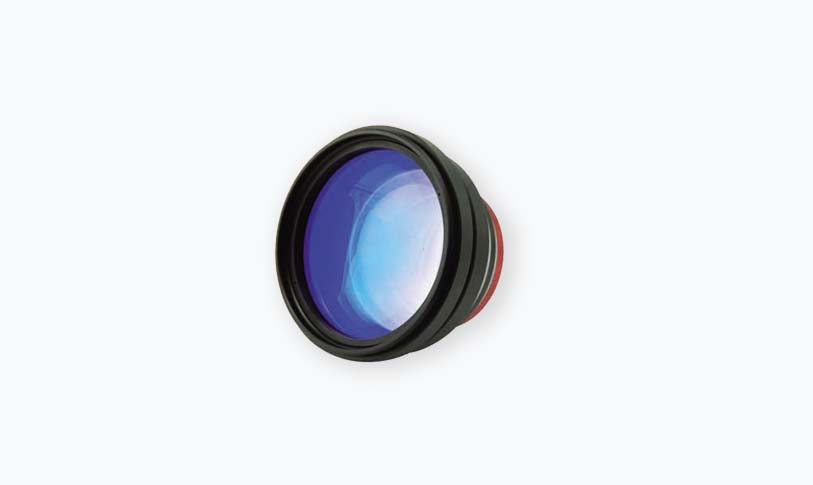
Understanding Fiber Marking: Importance, Techniques, and Applications in Modern Manufacturing and Product Identification
- **Electronics**: The electronics segment often requires marking on small components. Fiber marking provides a reliable means of identifying parts without adding bulk or weight.
- **Jewelry**: In the jewelry industry, fiber marking is utilized for engraving personal messages, logos, or serial numbers on pieces, adding both personalization and traceability.
Conclusion
Fiber marking has become a cornerstone in the evolving landscape of modern manufacturing and product identification. Its advantages—durability, precision, efficiency, and eco-friendliness—position it as a preferred option for industries that require reliable marking solutions. From medical devices to aerospace components, the versatility of fiber marking exemplifies its crucial role in meeting contemporary production demands while ensuring compliance and quality assurance. As technology advances, further innovations in fiber marking are expected, potentially opening up new applications and enhancing its impact on future manufacturing practices.