[industrial fiber laser]Revolutionizing Manufacturing: The Impact of Industrial Fiber Lasers on Precision Cutting and Efficiency in Modern Industries
News 2024-12-11
In today’s fast-paced manufacturing environment, accuracy, speed, and efficiency are paramount. One technology that is not just keeping up but rather setting the pace is the industrial fiber laser. This innovation has rapidly transformed various sectors, from automotive to aerospace, through its remarkable ability to cut, engrave, and mark materials with unparalleled precision. As industries strive to improve production processes and quality, understanding the capabilities and benefits of industrial fiber lasers becomes increasingly vital.

Revolutionizing Manufacturing: The Impact of Industrial Fiber Lasers on Precision Cutting and Efficiency in Modern Industries
One of the significant advantages of industrial fiber lasers is their precision. The focused beam can cut through materials with extremely fine tolerances, making it ideal for applications requiring intricate designs and detailed features. For industries like electronics, where components can be tiny and complex, the precision of fiber lasers is critical. The ability to achieve such accuracy without the need for extensive post-processing saves both time and resources, enhancing overall productivity.
Moreover, industrial fiber lasers operate at high speeds. This increased speed translates into shorter production times, enabling manufacturers to meet tight deadlines and improve throughput. This is particularly beneficial for industries with high-volume production runs, where minimizing operational delays and maximizing equipment uptime are essential. The combination of speed and precision offered by fiber lasers often results in cost savings, allowing businesses to remain competitive in a global market.
In addition to speed and accuracy, the maintenance requirements of industrial fiber lasers are significantly lower compared to traditional laser cutting systems. Fiber lasers are designed to operate without intricate optics, which reduces the likelihood of misalignment or other issues that can arise from using mirrors and lenses. This low maintenance requirement not only extends the lifespan of the equipment but also decreases downtime, further contributing to operational efficiency.
The versatility of industrial fiber lasers is another compelling feature. They can cut and engrave a wide range of materials and thicknesses, which makes them suitable for various applications across different industries. Whether it is thin sheets for the electronics sector or heavier materials for the construction and automotive industries, fiber lasers can adapt to the task at hand. Additionally, they can perform multiple tasks, including marking and engraving, within the same setup, allowing for more streamlined workflows.
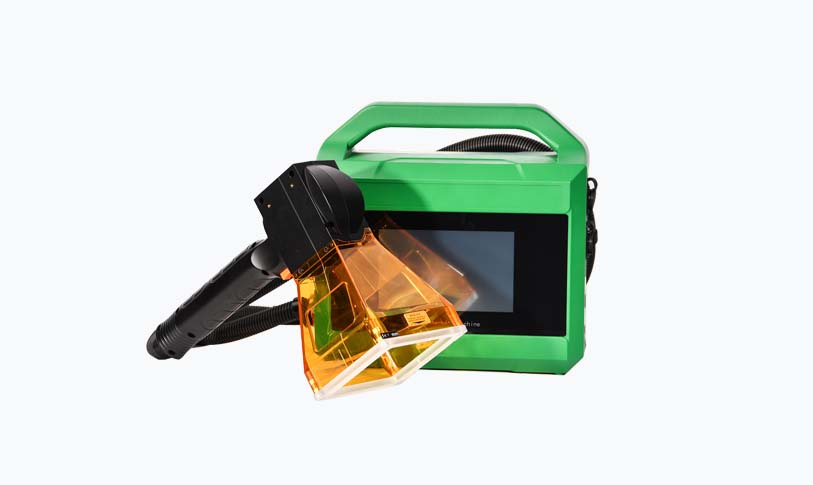
Revolutionizing Manufacturing: The Impact of Industrial Fiber Lasers on Precision Cutting and Efficiency in Modern Industries

Revolutionizing Manufacturing: The Impact of Industrial Fiber Lasers on Precision Cutting and Efficiency in Modern Industries
In conclusion, industrial fiber lasers are at the forefront of manufacturing innovation, offering unmatched precision, speed, and versatility. Their ability to enhance productivity while reducing costs positions them as a key technology for businesses looking to thrive in today’s competitive landscape. As industries continue to evolve and seek ways to improve their processes, the adoption of industrial fiber lasers will likely only increase, making them an integral part of the future of manufacturing.