[galvo scanner controller]Understanding the Importance of Galvo Scanner Controllers in Laser Scanning Applications: A Comprehensive Guide
News 2024-12-10

Understanding the Importance of Galvo Scanner Controllers in Laser Scanning Applications: A Comprehensive Guide
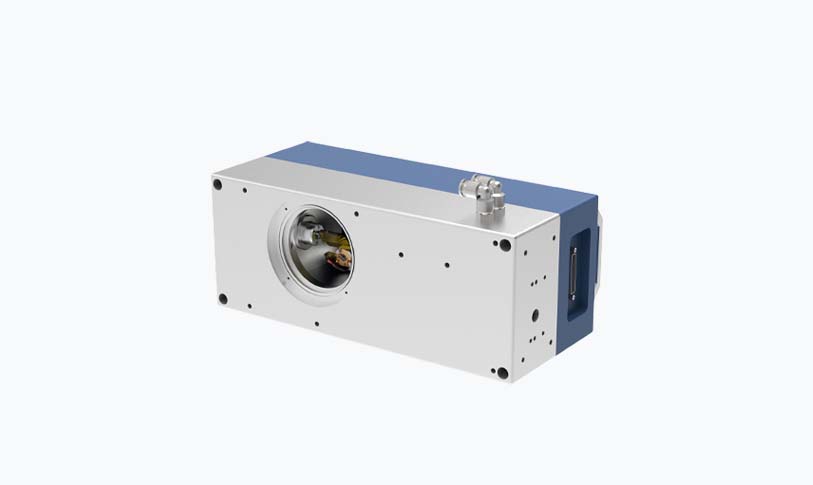
Understanding the Importance of Galvo Scanner Controllers in Laser Scanning Applications: A Comprehensive Guide
What is a Galvo Scanner Controller?
A galvo scanner controller is an electronic device responsible for managing and controlling the movement of galvanometer scanners (galvos). Galvos are devices that use motors or mirrors to pivot in response to electronic signals, allowing for rapid and precise angular positioning of a laser beam. In essence, the galvo scanner controller acts as the brain of the laser scanning system, translating input signals into real-time movements of the laser beam across the desired surface.
How Galvo Scanner Controllers Work
To grasp the importance of galvo scanner controllers, it's crucial to understand how they operate. The controller receives commands from a computer or user interface, typically in the form of vector graphics or raster data. These commands dictate where and how the laser beam should move.
The controller processes this information and sends voltage signals to the servo motors connected to the galvanometers. Depending on the required positioning, the galvos adjust the angle of the mirrors, reflecting the laser beam to specific locations. The rapid speed at which the galvos can operate, sometimes hundreds of times per second, allows for high-speed scanning and engraving applications.
Applications of Galvo Scanner Controllers
1. **Laser Engraving and Marking**: One of the most common applications of galvo scanners is in laser engraving and marking. These systems enable manufacturers to permanently mark or engrave materials like metals, plastics, and glass with precision. Galvo scanner controllers ensure that the engraving is not only accurate but also efficient, significantly reducing production times.
2. **Micro-Manufacturing**: In the realm of micro-manufacturing, precision is paramount. Galvo scanner controllers enable complex tasks such as cutting, etching, and even micro-structuring on a range of materials. This application is particularly prevalent in industries producing high-tech components, such as those for electronics and medical devices.
3. **3D Printing and Additive Manufacturing**: As 3D printing technologies evolve, galvo scanner controllers are being integrated into various additive manufacturing processes. They help manage the laser beam's movement in systems like selective laser sintering (SLS) and selective laser melting (SLM), ensuring precise layer buildup and minimal error rates.
4. **Medical Applications**: In the medical field, laser systems powered by galvo scanner controllers have found applications in surgical procedures, diagnostics, and even in the production of medical devices. For example, lasers for laser assisted in-situ keratomileusis (LASIK) eye surgery utilize galvo technology for precision cutting.
5. **Artwork and Decorative Applications**: The art world has also embraced laser technology. Artists use galvo scanners for intricate designs and patterns on various surfaces, allowing for a level of detail that is hard to achieve manually.
Benefits of Using Galvo Scanner Controllers
The integration of galvo scanner controllers in laser systems leads to a multitude of benefits, including:
1. **Speed and Efficiency**: Galvo scanner controllers enable faster scanning and processing times compared to traditional systems, enhancing overall productivity.
2. **Precision and Accuracy**: With their high degree of control over laser beam positioning, galvo scanner controllers facilitate extremely precise applications, which are essential for industries that rely on fine detail.
3. **Versatility**: These controllers can be adapted to work with various types of lasers and material processing tasks, making them suitable for a broad spectrum of applications.
4. **Reduced Wear and Tear**: The design of galvanometer systems often leads to less mechanical wear over time compared to conventional moving systems, translating to lower maintenance costs and longer equipment lifespans.
5. **Enhanced Design Capabilities**: With the ability to control the laser beam with high precision, designers and engineers have more creative freedom in their products, allowing for innovative designs and applications.
Conclusion
